Introduction to Nutrition and Mental Health
The link between diet and mental well-being is a rapidly growing area of research and interest. While many prioritize physical health when considering their nutritional intake, the impact of diet on mental health is equally significant. Whether you're dealing with stress, anxiety, or depression, understanding nutrition's role in mental health can be transformative.
The Connection Between Diet and Mental Wellness
Studies have shown that diets rich in processed foods, sugars, and unhealthy fats are associated with higher levels of anxiety and depression. In contrast, a balanced diet rich in whole foods, including fruits, vegetables, and lean proteins, supports brain health and mood stability.
Our platform is committed to educating about these crucial intersections between lifestyle and well-being. Understanding how your food choices influence your mental state is part of a holistic approach to wellness, which is a core aspect of our platform's mission.
Essential Nutrients for Mental Health
To promote optimal mental health, it's vital to include certain nutrients in your diet:
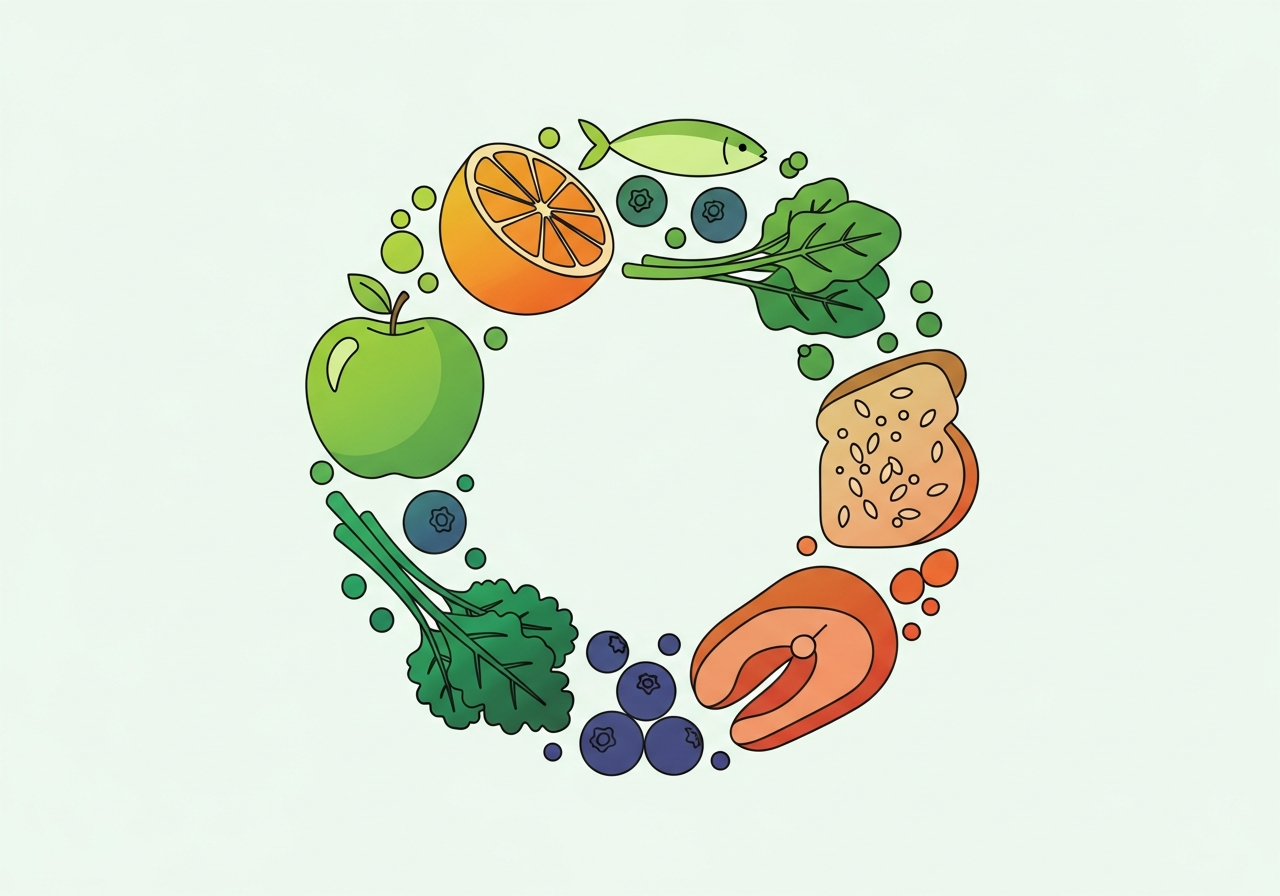
- Omega-3 Fatty Acids: Found in fatty fish, walnuts, and flaxseeds, omega-3s are known to enhance brain function and reduce depression symptoms.
- Antioxidants: Abundant in berries, dark chocolate, and green tea, antioxidants help combat oxidative stress linked to mental health disorders.
- B-Vitamins: These vitamins, particularly B6, B12, and folate, which are found in leafy greens, beef, and eggs, play a vital role in producing brain chemicals that regulate mood.
Incorporating these nutrients into your daily meals is a practical step in enhancing your mental health.
Implementing Diet Changes for Better Mental Well-being
Making dietary changes can seem daunting, but small, gradual adjustments can have profound impacts. Here are some actionable tips:
- Start by replacing sugary snacks with healthier options like nuts or fruits.
- Incorporate at least one meal per day that includes an omega-3-rich food source.
- Experiment with different fruits and vegetables to ensure a wide array of nutrients.
If you're interested in a structured learning path about mental health, consider our CBT Practitioner Training which dives deep into cognitive-behavioral strategies for mental wellness.
Conclusion and Next Steps
Understanding and implementing nutritional strategies for mental health is an empowering step in managing overall wellness. While diet is a powerful tool, comprehensive mental health care often combines nutritional guidance with other approaches such as counseling or therapy. Explore the potential of our various offerings, including subscription plans, to access a wealth of resources tailored to wellness education.
Ready to deepen your understanding of mental health? Join us for one of our certification courses and take control of your well-being journey.