The Connection Between Nutrition and Mental Health
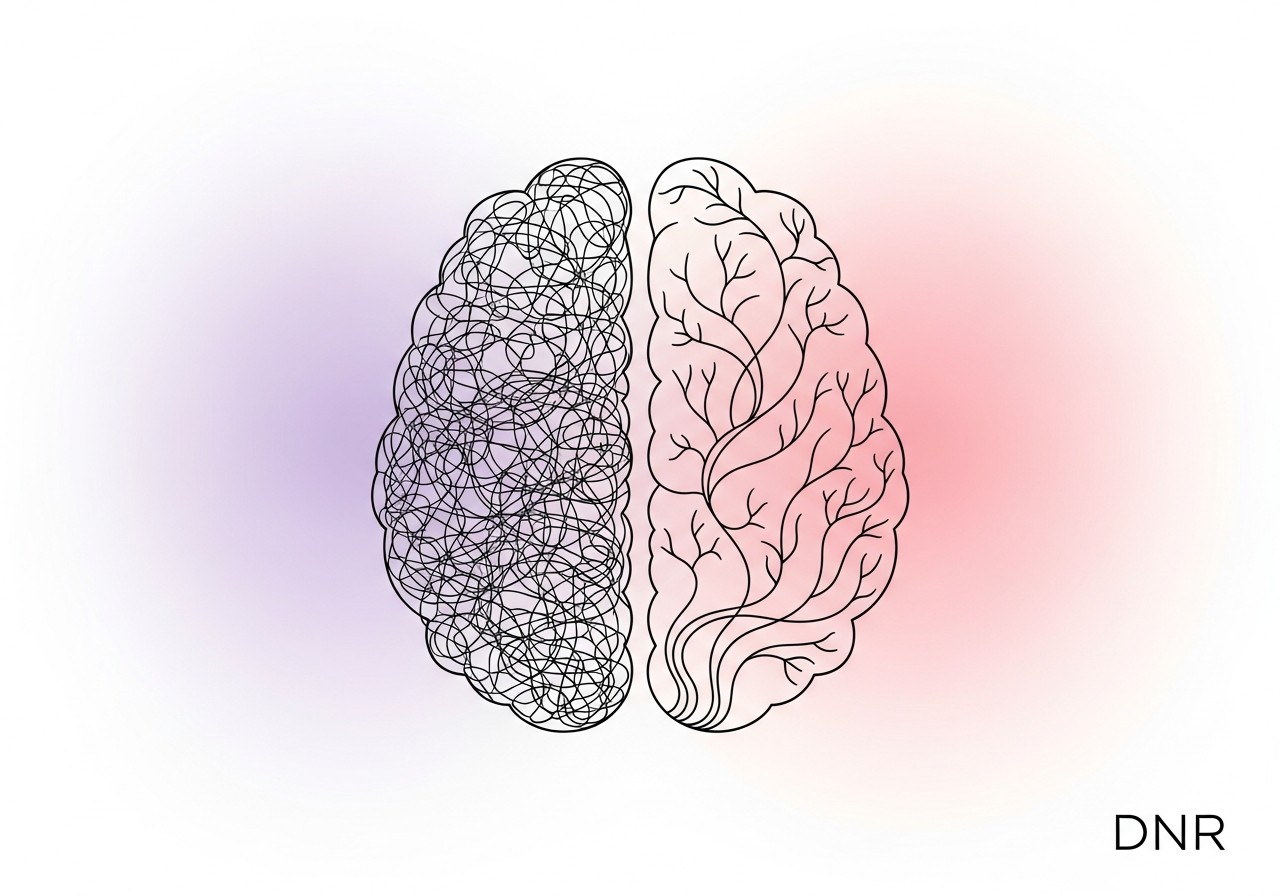
In recent years, research has increasingly shown that the food we consume significantly impacts our mental health. Nutritional psychiatry is an emerging field that focuses on the relationship between diet and mood disorders, suggesting that what we eat can influence brain chemistry, inflammation, and overall mental well-being.
Key Nutrients for Mental Health
Incorporating a variety of nutrients into your diet can promote a healthier mind. Here are some essential components to consider:
- Omega-3 Fatty Acids: Found in fatty fish like salmon and walnuts, these essential fats are vital for brain health and may help reduce symptoms of depression and anxiety.
- Vitamins B: B vitamins, particularly B6, B12, and folate, play a crucial role in neurotransmitter function. Sources include green leafy vegetables, eggs, and whole grains.
- Antioxidants: Foods rich in antioxidants, such as berries, nuts, and dark chocolate, can combat oxidative stress, which is linked to cognitive decline.
- Magnesium: This mineral helps regulate mood and is found in foods like spinach, almonds, and avocados.
- Protein: Amino acids from protein sources like lean meats, legumes, and dairy are essential for serotonin production, a neurotransmitter crucial for mood regulation.
Practical Tips for a Mindful Diet
Adopting a diet that supports mental health may seem daunting, but with some practical steps, you can easily incorporate beneficial foods into your daily routine:
1. Plan Balanced Meals
Strive for meals that include a balance of protein, healthy fats, and complex carbohydrates. This combination not only fuels your body but also stabilizes blood sugar levels, which can influence mood.
2. Prioritize Whole Foods
Focus on whole, unprocessed foods. These nutrient-dense options provide the vitamins and minerals your brain needs to function optimally. Fill your plate with colorful fruits and vegetables, lean proteins, and whole grains.
3. Stay Hydrated
Dehydration can lead to fatigue and irritability. Ensure you're drinking enough water throughout the day to stay hydrated, as even mild dehydration can impact cognitive function.
4. Mindful Eating
Practice mindful eating by paying attention to your hunger cues and savoring each bite. This can lead to greater satisfaction with meals and prevent overeating.
5. Limit Added Sugars and Processed Foods
High sugar and processed food diets can lead to mood swings and decreased energy levels. Try to limit these types of foods and opt for healthier snacks, such as fruit, nuts, or yogurt.
Benefits of a Nutrition-Focused Approach
Adopting a nutrition-focused approach to mental health can yield numerous benefits, including:
- Enhanced Cognitive Function: A balanced diet rich in essential nutrients can lead to improved focus, memory, and overall cognitive abilities.
- Reduced Symptoms of Depression and Anxiety: Certain foods can have a positive effect on mood, potentially alleviating feelings of sadness and anxiety.
- Better Sleep Quality: Nutrition can influence sleep patterns, with some foods promoting better sleep quality, which is essential for mental health.
- Increased Energy Levels: A nutritious diet helps maintain stable energy levels, reducing fatigue and irritability.
Conclusion
Nutrition plays a pivotal role in mental health, and by consciously choosing a varied and balanced diet, you can support your emotional well-being. Remember, small changes can lead to significant improvements. Begin by integrating more whole foods and essential nutrients into your meals, and observe the positive impact on your mental health. Consult with a healthcare provider or nutritionist for personalized advice tailored to your specific needs.