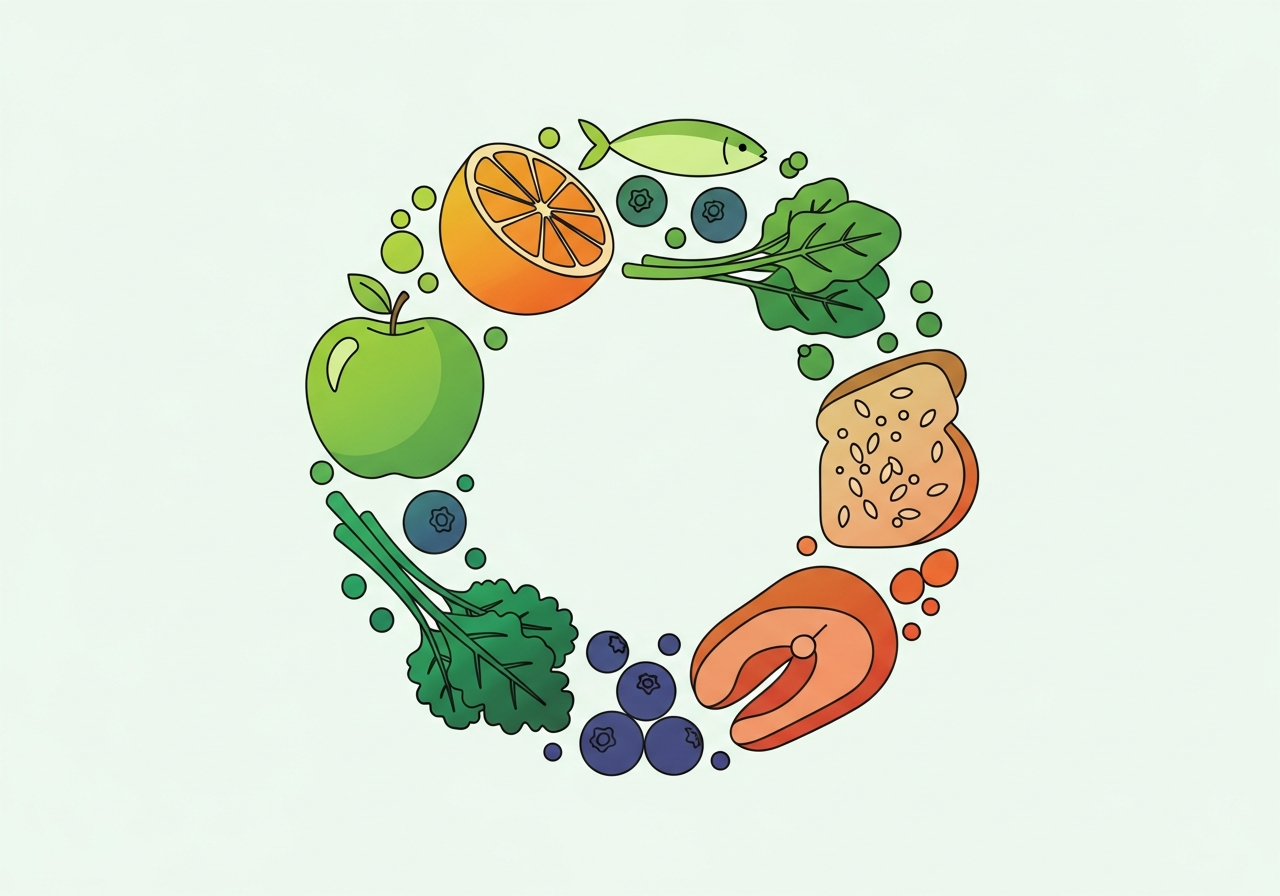
The Connection between Nutrition and Mental Health
Nourishing your body with the right foods doesn’t just support physical health; it also plays a pivotal role in mental well-being. Research has shown that our diet can significantly impact our mood, cognitive function, and overall mental health. Nutrients such as omega-3 fatty acids, vitamins, and minerals contribute to better brain function and emotional stability.
Understanding Nutrients that Support Mental Well-being
Here are some key nutrients known to promote mental health:
- Omega-3 Fatty Acids: Found in fatty fish, flaxseeds, and walnuts, omega-3s are essential for brain health and have been linked to reduced symptoms of depression and anxiety.
- B Vitamins: Vitamins B6, B12, and folate play a crucial role in the production of neurotransmitters like serotonin and dopamine, which regulate mood. Sources include leafy greens, beans, eggs, and dairy products.
- Vitamin D: Often referred to as the "sunshine vitamin," adequate levels of vitamin D can enhance mood and ward off depressive symptoms. Vitamin D can be obtained from sunlight, fatty fish, and fortified foods.
- Antioxidants: Foods rich in antioxidants, such as berries, nuts, and dark chocolate, help combat oxidative stress, which is linked to mental fatigue and stress.
- Magnesium: This mineral supports brain health and is found in foods like dark leafy greens, avocado, nuts, and seeds. Low magnesium levels may be linked to increased anxiety.
Practical Tips for Nutrition and Mental Health
Incorporating these nutrients into your diet doesn’t have to be complicated. Here are some practical tips to enhance your nutritional intake for improved mental health:
Create a Balanced Meal Plan
Focus on creating a balanced weekly meal plan that incorporates a variety of food groups:
- Start with a colorful plate: Incorporate fruits and vegetables of different colors.
- Include protein: Incorporate lean proteins like chicken, fish, beans, or tofu in each meal.
- Opt for whole grains: Choose whole grain products over refined grains.
Stay Hydrated
Proper hydration is also essential for brain health. Dehydration can lead to fatigue, confusion, and mood swings. Aim for at least 8 glasses of water a day, or more if you are active.
Mindful Eating
Practice mindful eating by being present during your meals:
- Eliminate distractions such as phones or television.
- Focus on the flavors, textures, and colors of your food.
Snack Wisely
Opt for brain-boosting snacks instead of sugary or processed options. Consider these healthy snack ideas:
- A handful of nuts and dried fruits
- Sliced apple with nut butter
- Greek yogurt topped with berries
Plan for Special Occasions
During social events, it can be tempting to gravitate towards unhealthy foods. Make a plan by bringing a healthy dish to share, ensuring you have nutritious options available.
Benefits of Nutrition for Mental Health
By focusing on a nutrient-rich diet, you can experience numerous benefits that extend beyond better physical health:
- Enhanced Mood: A well-balanced diet can reduce symptoms of anxiety and depression.
- Improved Cognitive Function: Proper nutrition supports better concentration, memory retention, and decision-making abilities.
- Increased Energy Levels: Consuming whole, nourishing foods can lead to a more stable energy supply throughout the day.
- Stress Management: Balanced nutrition helps the body manage stress more effectively.
Conclusion
Focusing on your nutrition is a powerful way to enhance not only your physical health but also your mental well-being. By incorporating brain-healthy foods and maintaining a balanced diet, you’ll be taking significant steps toward nurturing your mind as well as your body. Start small, make mindful choices, and watch as your mental health flourishes!