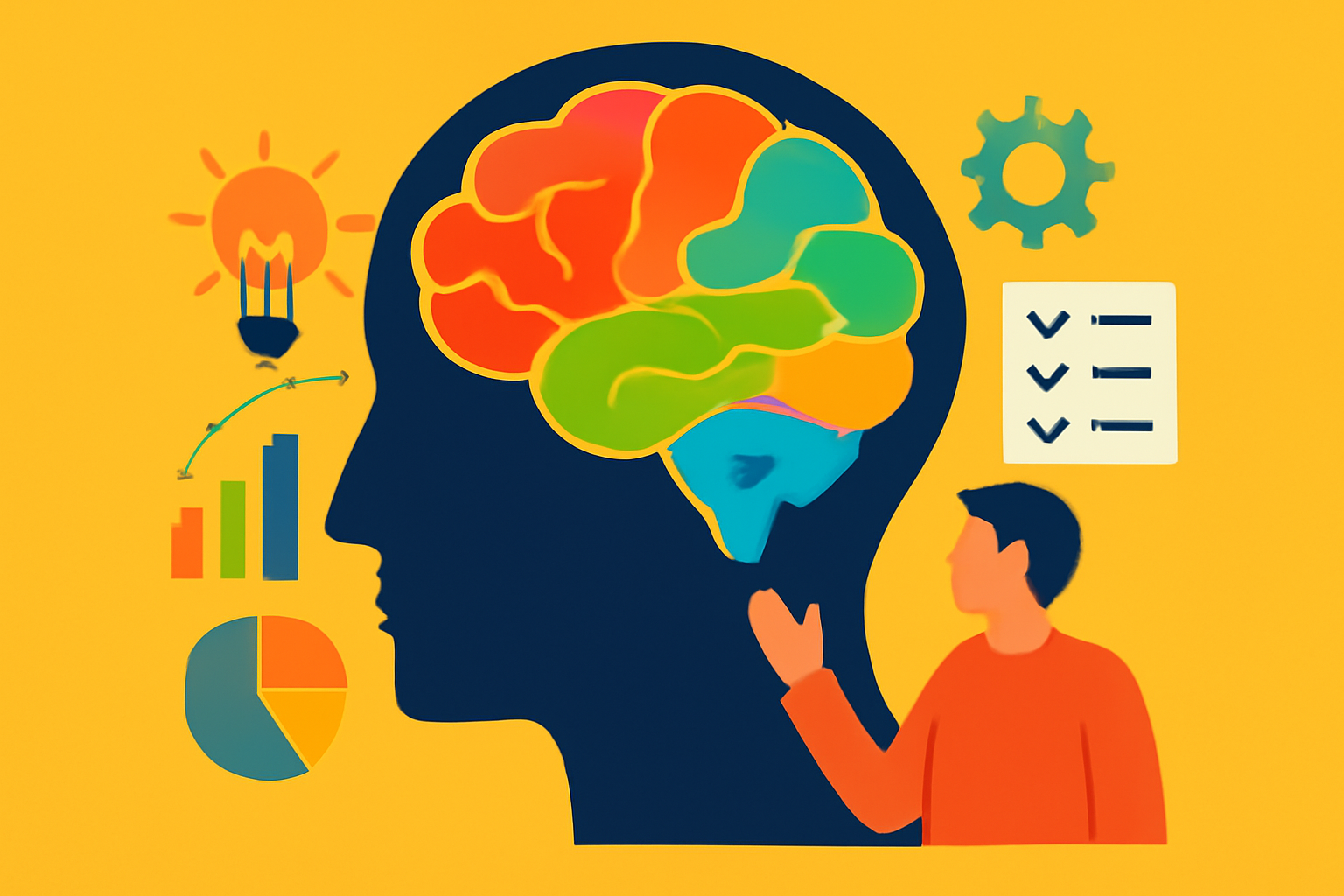
Understanding Anxiety
Anxiety is a normal response to stress, but when it becomes overwhelming, it can interfere with daily life. Understanding its causes and symptoms is the first step toward effective management.
Why Anxiety Management is Essential
Managing anxiety not only improves mental health but also enhances overall well-being. Effective anxiety management can lead to:
- Improved focus and productivity
- Better relationships
- Enhanced physical health
- Increased resilience in facing challenges
Practical Tips for Managing Anxiety
Implementing effective anxiety management techniques can greatly improve your life. Here are some practical tips:
1. Mindfulness and Meditation
Practicing mindfulness helps you stay present and reduces anxiety levels. Consider dedicating 10-15 minutes daily to meditation. Apps like Headspace and Calm can guide you through this process.
2. Regular Physical Activity
Exercise is a powerful tool for reducing anxiety. Aim for at least 30 minutes of moderate activity most days of the week, whether it's walking, cycling, or yoga. Exercise releases endorphins, which improve mood and decrease stress.
3. Breathing Techniques
Simple breathing exercises can significantly lower anxiety levels. Try the 4-7-8 technique: inhale for 4 seconds, hold for 7 seconds, and exhale for 8 seconds. Repeat this cycle for a few minutes whenever you feel anxious.
4. Healthy Eating
Your diet plays a crucial role in your emotional health. Incorporate foods rich in omega-3 fatty acids, antioxidants, and vitamins. Avoid excessive caffeine and sugar, which can increase anxiety levels.
5. Sleep Hygiene
Adequate sleep is vital for managing anxiety. Establish a regular sleep schedule and create a calming bedtime routine. Aim for 7-9 hours of quality sleep each night.
6. Limit Alcohol and Caffeine
Both alcohol and caffeine can amplify anxiety symptoms. Monitor your intake and consider reducing or eliminating these substances from your diet, especially if you notice an increase in anxiety after consumption.
7. Connect with Others
Social support is crucial for mental health. Reach out to friends, family, or support groups. Sharing your feelings and experiences can provide relief and new perspectives.
8. Professional Help
If anxiety becomes overwhelming, seeking professional help is recommended. Therapists and counselors can provide tailored strategies and, if necessary, medication to help manage anxiety effectively.
Building an Anxiety Management Plan
Creating a personalized anxiety management plan can empower you to handle anxiety proactively. Here’s how to create one:
- Identify Triggers: Keep a journal to note what situations or thoughts lead to increased anxiety.
- Set Realistic Goals: Establish small, achievable goals to work towards overcoming anxiety.
- Incorporate Techniques: Include the techniques mentioned above to develop a toolkit you can rely on during anxious moments.
- Review and Adjust: Regularly assess your plan’s effectiveness and make adjustments as necessary.
Conclusion
Anxiety management is a vital component of personal growth and well-being. By implementing these practical tips and strategies, you can cultivate a more balanced and fulfilling life. Remember, seeking help is a sign of strength, and you don't have to navigate this journey alone.