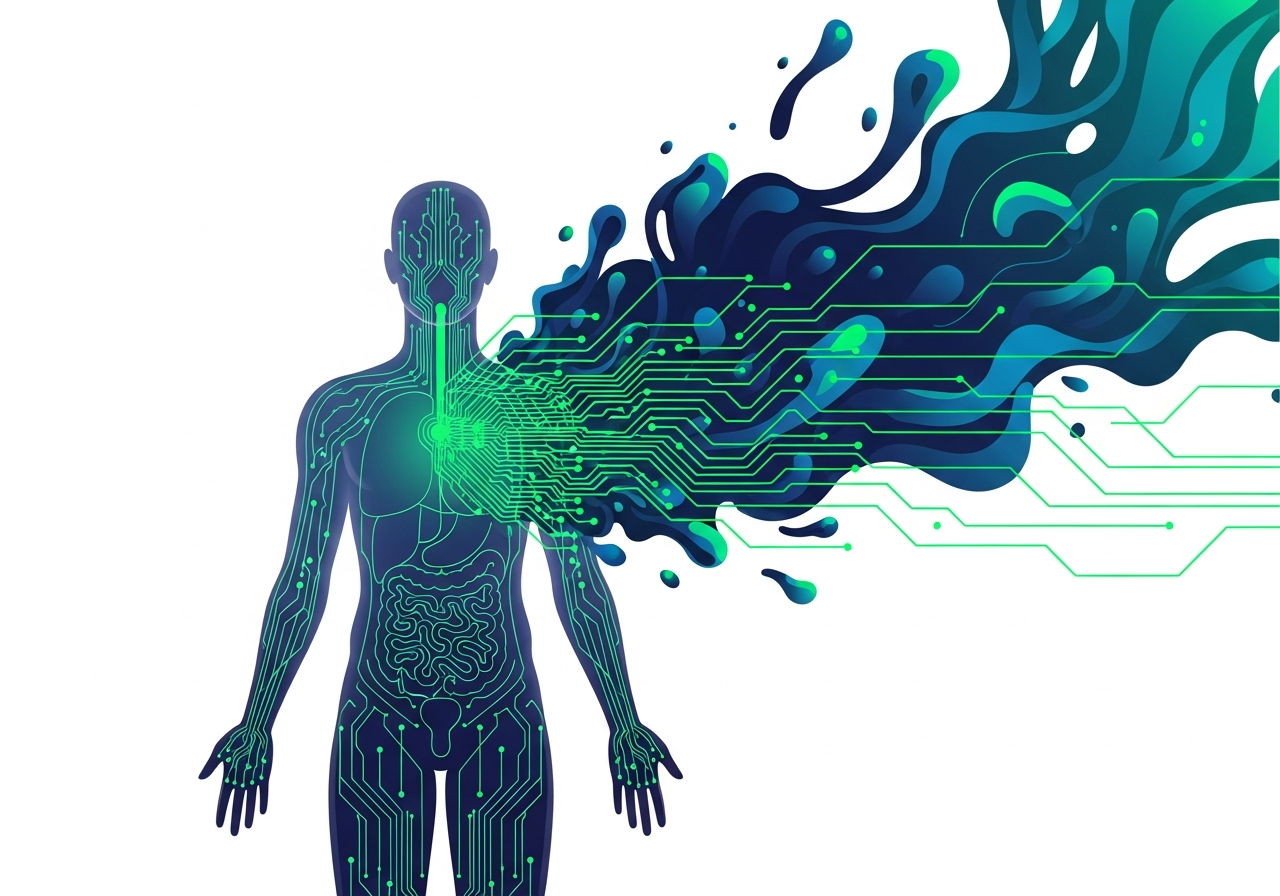
Understanding Anxiety: A Journey Towards Wellness
Anxiety is a natural response to stress, often manifesting in overwhelming feelings of dread, worry, or fear. While it can serve as a useful signal to help us respond to danger, chronic anxiety can interfere with daily life and overall well-being. Learning how to manage anxiety is essential for spiritual awakening and personal growth.
Practical Tips for Anxiety Management
Managing anxiety requires a multifaceted approach. Below are several practical strategies that can help alleviate anxiety:
Mindfulness and Meditation
Practicing mindfulness can ground you in the present moment. Techniques such as deep breathing, body scans, and guided visualizations can help calm your mind. Consider setting aside 10-15 minutes each day for meditation. Apps like Headspace or Calm can provide structured guidance.
Physical Activity
Exercise is a powerful tool for reducing anxiety. Physical activity releases endorphins, which improve mood and reduce stress. Aim for at least 30 minutes of moderate exercise most days of the week. Activities such as yoga, walking, or dancing can be particularly beneficial.
Healthy Nutrition
Your diet can significantly impact your mental health. Focus on a balanced intake of fruits, vegetables, whole grains, and lean proteins. Foods rich in omega-3 fatty acids, such as salmon and walnuts, can help reduce anxiety symptoms. Avoid excessive caffeine and sugar, which can exacerbate feelings of anxiety.
Social Support
Connecting with others can provide comfort and reassurance. Reach out to friends, family, or support groups to share your feelings and experiences. You may also consider seeking professional support through therapy or counseling.
Setting Boundaries
Learning to say no and setting healthy boundaries can help reduce stressors that contribute to anxiety. Evaluate your commitments and prioritize activities that align with your values and well-being.
Spiritual Practices
Engaging in spiritual practices such as prayer, journaling, or connecting with nature can enhance your sense of peace and understanding. Reflecting on your beliefs and values can provide a grounding framework amidst anxiety.
Benefits of Managing Anxiety
Effectively managing anxiety can lead to numerous benefits, including:
- Enhanced Emotional Resilience: Developing coping strategies helps build resilience, making it easier to handle life's challenges.
- Improved Physical Health: Reducing anxiety can lower blood pressure and improve sleep quality, contributing to better overall health.
- Stronger Relationships: When you're less anxious, you're more present and connected with loved ones, fostering deeper relationships.
- Increased Productivity: Managing anxiety can enhance focus and motivation, leading to improved performance in work and personal projects.
Implementing Your Anxiety Management Plan
To effectively manage anxiety, consider the following steps:
Identify Triggers
Keep a journal to track situations that elevate your anxiety. Understanding your triggers is crucial for developing coping strategies.
Set Realistic Goals
Outline achievable goals for your anxiety management journey. Start small and gradually build on your successes.
Evaluate Progress
Regularly assess your anxiety levels and the effectiveness of your strategies. Adjust your approach as necessary to find what works for you.
Seek Professional Help
If your anxiety feels unmanageable, don’t hesitate to seek support from a mental health professional. Therapy can provide valuable coping tools and insights.
Conclusion
Anxiety may be a common challenge, but with the right strategies and support, it can be managed effectively. Embracing a holistic approach that combines mindfulness, physical wellness, social connections, and spiritual practices can enhance your journey toward emotional balance and spiritual awakening. Remember, managing anxiety is a personal journey, and it’s perfectly okay to seek help along the way.