Understanding Holistic Health
Holistic health is a comprehensive approach to wellness that emphasizes the interconnectedness of the mind, body, and spirit. Rather than focusing solely on physical ailments, holistic health considers emotional, mental, and spiritual well-being as vital components of overall health. This approach encourages individuals to seek balance and harmony in all aspects of their lives, fostering a deeper sense of fulfillment and purpose.
Key Principles of Holistic Health
At the core of holistic health are several key principles:
- Interconnectedness: Recognizing that all aspects of a person’s life—physical, emotional, social, and spiritual—are interconnected.
- Self-Care: Encouraging individuals to take an active role in their health through self-awareness and self-care practices.
- Prevention: Focusing on prevention and wellness rather than just treating illness.
- Personalized Care: Acknowledging that each individual has unique needs and circumstances that must be addressed holistically.
Benefits of Holistic Approaches
Integrating holistic health into your life can yield numerous benefits:
- Enhanced Well-Being: A holistic approach fosters greater overall well-being, leading to improved mental clarity, emotional stability, and physical health.
- Stress Reduction: Holistic practices, such as meditation and yoga, can significantly reduce stress levels, promoting relaxation and tranquility.
- Improved Relationships: By nurturing emotional and spiritual health, individuals often experience deeper connections with others, contributing to healthier relationships.
- Greater Life Satisfaction: Holistic health encourages individuals to live in alignment with their values, leading to a more fulfilling and meaningful life.
Practical Tips for a Holistic Health Journey
To effectively incorporate holistic health approaches into your daily life, consider these practical tips:
1. Practice Mindfulness
Engage in mindfulness techniques such as meditation, deep breathing, or journaling. These practices help cultivate present-moment awareness, which can enhance emotional regulation and stress management.
2. Nourish Your Body
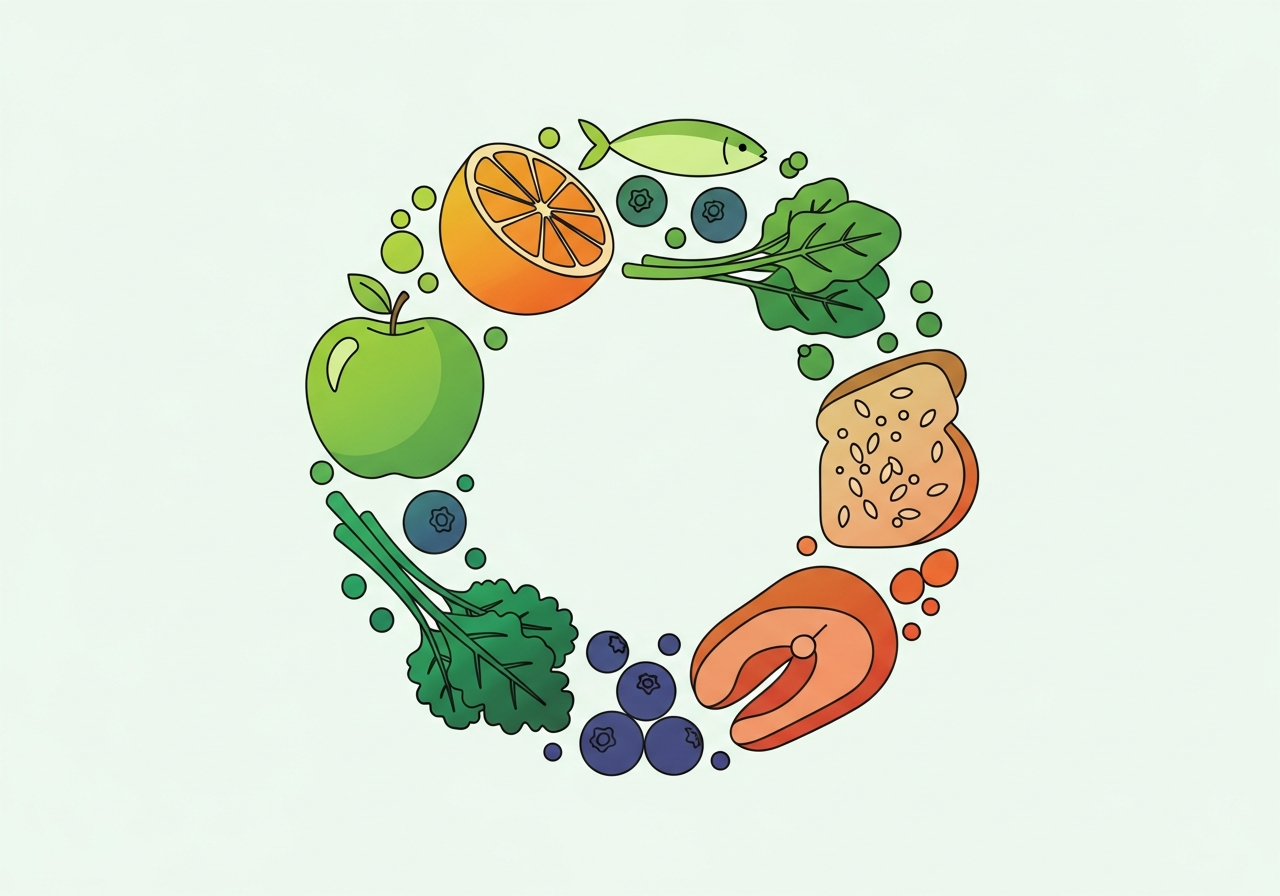
Focus on a balanced diet rich in whole foods. Incorporate plenty of fruits, vegetables, whole grains, and healthy fats. Pay attention to how different foods make you feel and adjust your diet accordingly.
3. Move Your Body
Engage in regular physical activity that you enjoy, whether it’s yoga, dancing, hiking, or swimming. Movement is essential for physical health, emotional balance, and mental clarity.
4. Foster Social Connections
Maintain strong relationships with friends and family. Social support is crucial for emotional health, so make time for meaningful interactions and engage in community activities.
5. Explore Spiritual Practices
Whether through meditation, prayer, or nature walks, find spiritual practices that resonate with you. Connecting with something greater can provide a sense of purpose and belonging.
Integrating Holistic Health into Daily Life
Incorporating holistic health into your daily routine doesn’t have to be overwhelming. Start small and gradually integrate these practices into your lifestyle:
- Set aside time each day for mindfulness or meditation.
- Plan and prepare healthy meals at the beginning of each week.
- Schedule regular physical activity, aiming for at least 30 minutes most days.
- Reach out to friends or family members weekly to strengthen social connections.
- Dedicate time for spiritual exploration or reflection, even if it's just a few minutes a day.
Conclusion
Holistic health approaches offer a transformative way to nurture all aspects of your being. By embracing these principles and practices, you can create a comprehensive wellness journey that promotes balance, harmony, and fulfillment. Remember, the path to holistic wellness is a personal one, and it’s essential to listen to your body, mind, and spirit as you navigate your unique journey towards optimal health.