Understanding the Connection Between Nutrition and Mental Health
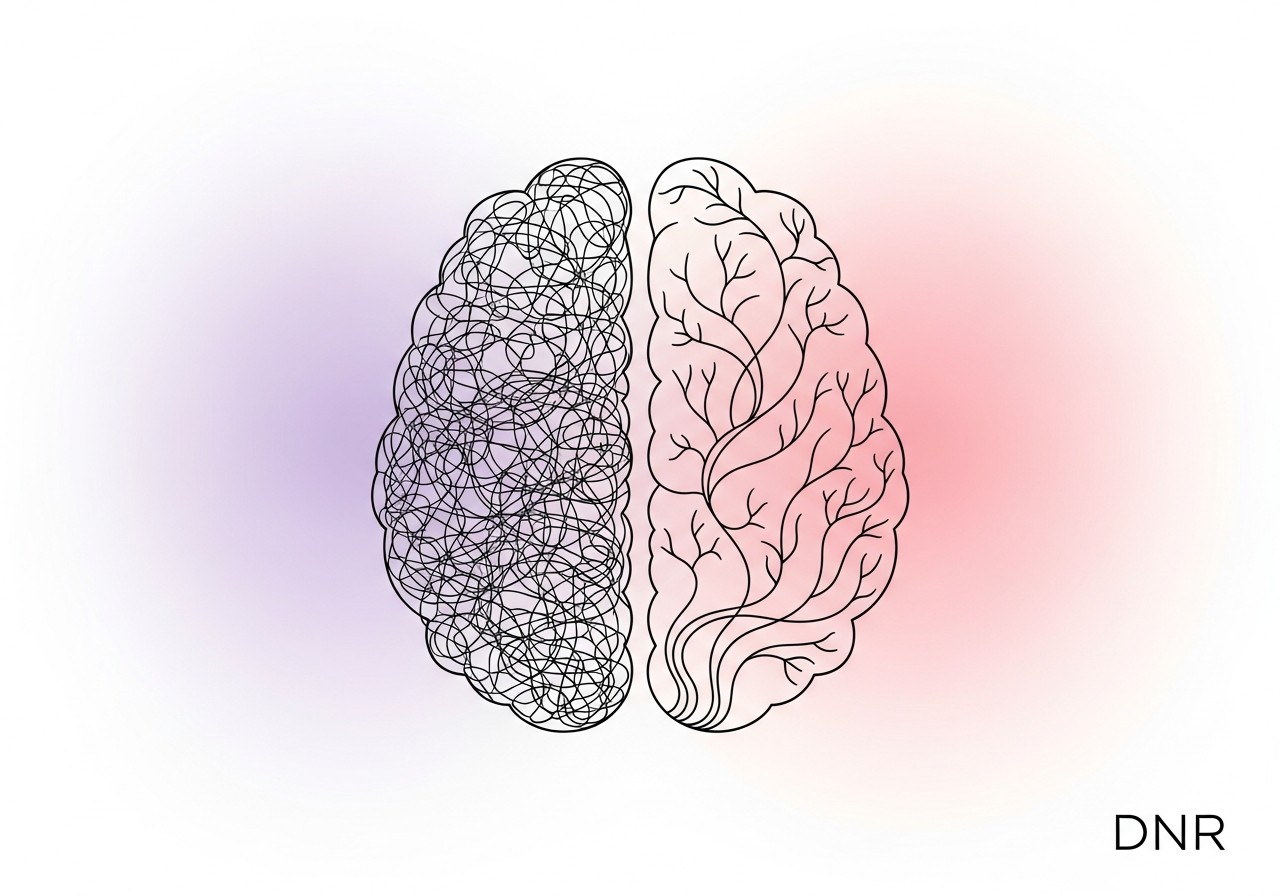
In today's fast-paced world, maintaining mental health is more important than ever. Research has shown that what we eat can significantly influence our mood, cognitive functions, and overall mental well-being. Nutritional psychiatry is an emerging field that underscores the significance of diet in managing mental health conditions such as anxiety and depression.
The Role of Nutrients in Mental Health
Certain nutrients play vital roles in brain function and emotional regulation. Here are some key players:
- Omega-3 Fatty Acids: Found in fish, flax seeds, and walnuts, omega-3s support brain health and improve mood.
- Antioxidants: Foods rich in antioxidants, like berries, dark chocolate, and leafy greens, help combat oxidative stress that can contribute to mental health issues.
- B vitamins: B vitamins, especially B6, B12, and folate, are crucial for the production of mood-regulating neurotransmitters.
- Amino Acids: Building blocks of proteins that are essential for neurotransmitter production; sources include lean meats, legumes, and dairy.
The Benefits of Eating for Mental Health
A diet tailored for mental health can offer numerous advantages, including:
- Improved mood and reduced symptoms of depression and anxiety
- Increased energy levels and better stress management
- Enhanced cognitive function, focus, and memory
- Stronger immune system, contributing to overall well-being
Practical Tips for Nutrition-Driven Mental Health
To harness the power of nutrition for better mental health, consider the following practical tips:
1. Prioritize Whole Foods
Focus on incorporating whole, unprocessed foods such as fruits, vegetables, whole grains, lean proteins, and healthy fats into your daily diet. These foods provide essential nutrients and promote better mental health.
2. Stay Hydrated
Dehydration can lead to fatigue and mood swings. Aim to drink plenty of water throughout the day, and consider infusing it with fruits for added flavor and benefits.
3. Limit Sugar and Processed Foods
Highly processed foods and added sugars can contribute to mood fluctuations and negatively impact mental health. Instead, seek out natural sweeteners like honey or maple syrup in moderation.
4. Incorporate Probiotics
The gut-brain connection highlights the importance of gut health in mental well-being. Foods like yogurt, kefir, sauerkraut, and kimchi are rich in probiotics that can promote a healthy gut microbiome.
5. Meal Planning
Plan your meals ahead of time to ensure you incorporate a variety of nutrient-rich foods. Setting aside time for meal preparation can help you resist the temptation of fast food and unhealthy snacks.
How to Create a Mental Health-Friendly Meal Plan
A well-structured meal plan can help you stay on track. Here’s a step-by-step guide to creating one:
- Assess your needs: Consider any dietary restrictions or preferences.
- Choose your foods: Select a variety of whole foods from all food groups.
- Plan your meals: Create a schedule for breakfast, lunch, dinner, and snacks.
- Shopping list: Write a grocery list based on your meal plan to ensure you purchase all necessary ingredients.
- Prep ahead: Cook and portion meals in advance to facilitate easy access to healthy options during busy times.
Conclusion
Nutrition plays a pivotal role in mental health and well-being. By choosing nutrient-dense foods and developing a mindful eating habit, you can enhance your emotional and cognitive health. Remember that small changes can lead to significant improvements, and investing in your dietary habits is an investment in your mental wellness.