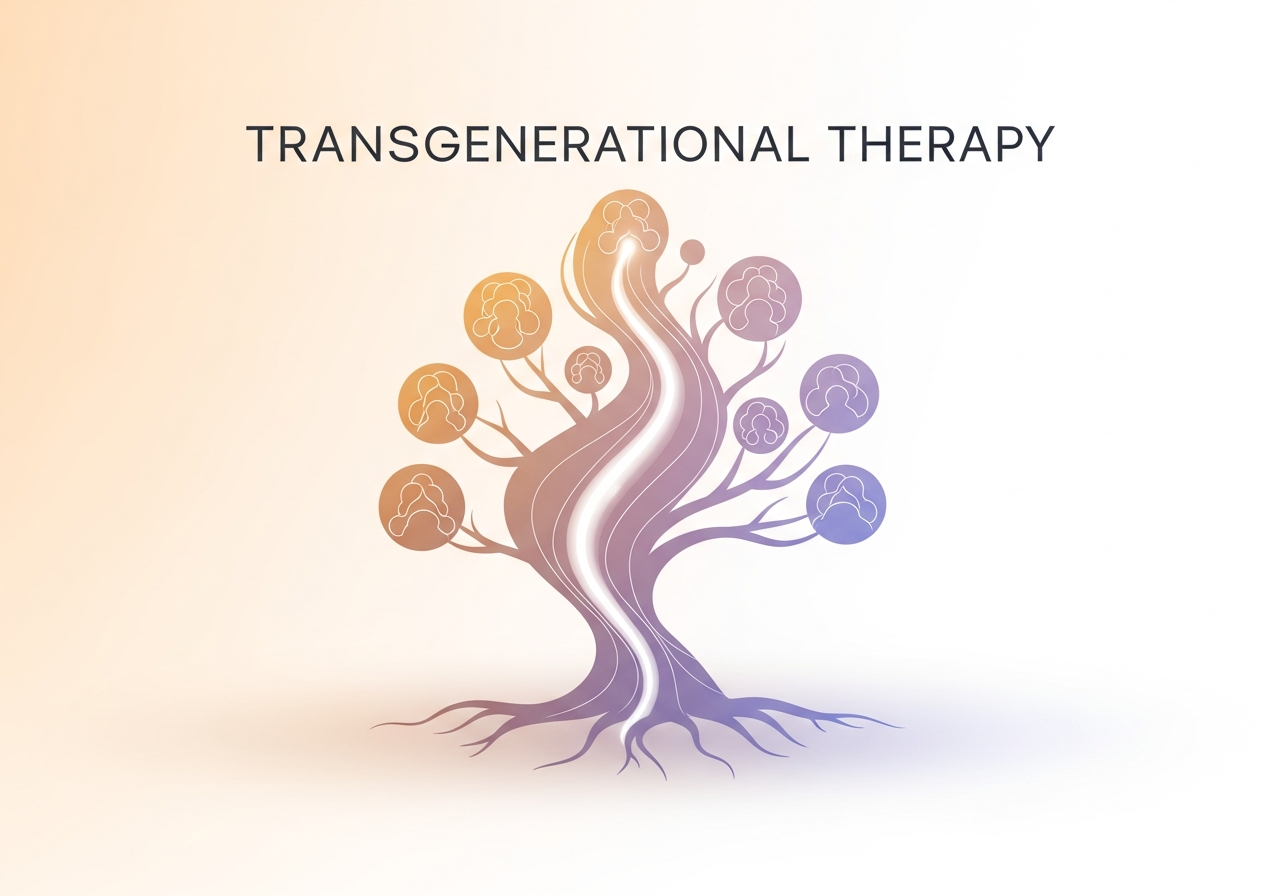
Understanding Trauma and Its Impact
Trauma can be defined as an emotional and psychological response to distressing events that disrupt a person's sense of safety and well-being. It can stem from various experiences, including physical or emotional abuse, accidents, natural disasters, or loss. When left unaddressed, trauma can lead to a myriad of complications, including anxiety, depression, and other mental health disorders.
The Basics of Trauma Recovery
Recovering from trauma is a profoundly personal journey that can encompass various approaches and techniques. Here, we outline some of the essential aspects of trauma recovery:
1. Acknowledgment of Trauma
The first step in recovery is acknowledging that trauma exists. It involves recognizing your feelings and validating your experiences. This step is crucial as it lays the foundation for healing.
2. Seeking Professional Help
Engaging with a qualified mental health professional can provide invaluable support. Therapists trained in trauma-informed care can offer strategies tailored to your needs.
- Cognitive Behavioral Therapy (CBT)
- Eye Movement Desensitization and Reprocessing (EMDR)
- Somatic Experiencing
3. Building a Support System
Surrounding yourself with supportive friends, family, or support groups can create a safe environment for healing. Sharing your experiences can alleviate feelings of isolation.
4. Practicing Self-Care
Self-care is vital in trauma recovery. Incorporating healthy habits can enhance your emotional and physical well-being:
- Mindfulness and Meditation: These practices help ground you in the present and reduce anxiety.
- Regular Exercise: Physical activity releases endorphins, which can alleviate mood swings and stress.
- Healthy Nutrition: A balanced diet supports overall health and can improve your mood.
Benefits of Trauma Recovery
Engaging in trauma recovery can lead to numerous benefits, including:
- Improved emotional regulation
- Enhanced relationships with others
- Increased resilience and coping skills
- Greater self-awareness and self-acceptance
How to Embark on Your Healing Journey
The recovery process is unique to each individual, but here are some practical steps to get started:
- Set Realistic Goals: Start small. Set achievable objectives that can guide your progress.
- Journal Your Experiences: Writing can be a therapeutic way to process your thoughts and feelings.
- Establish a Routine: A daily routine can foster a sense of stability and normalcy.
- Practice Gratitude: Focusing on positive aspects of life can shift your mindset and promote emotional healing.
Final Thoughts
Trauma recovery is not linear; it often involves ups and downs. However, by understanding the basics and applying practical strategies, you can take significant steps towards healing. Remember, seeking help is a sign of strength, and with time and effort, recovery is possible.