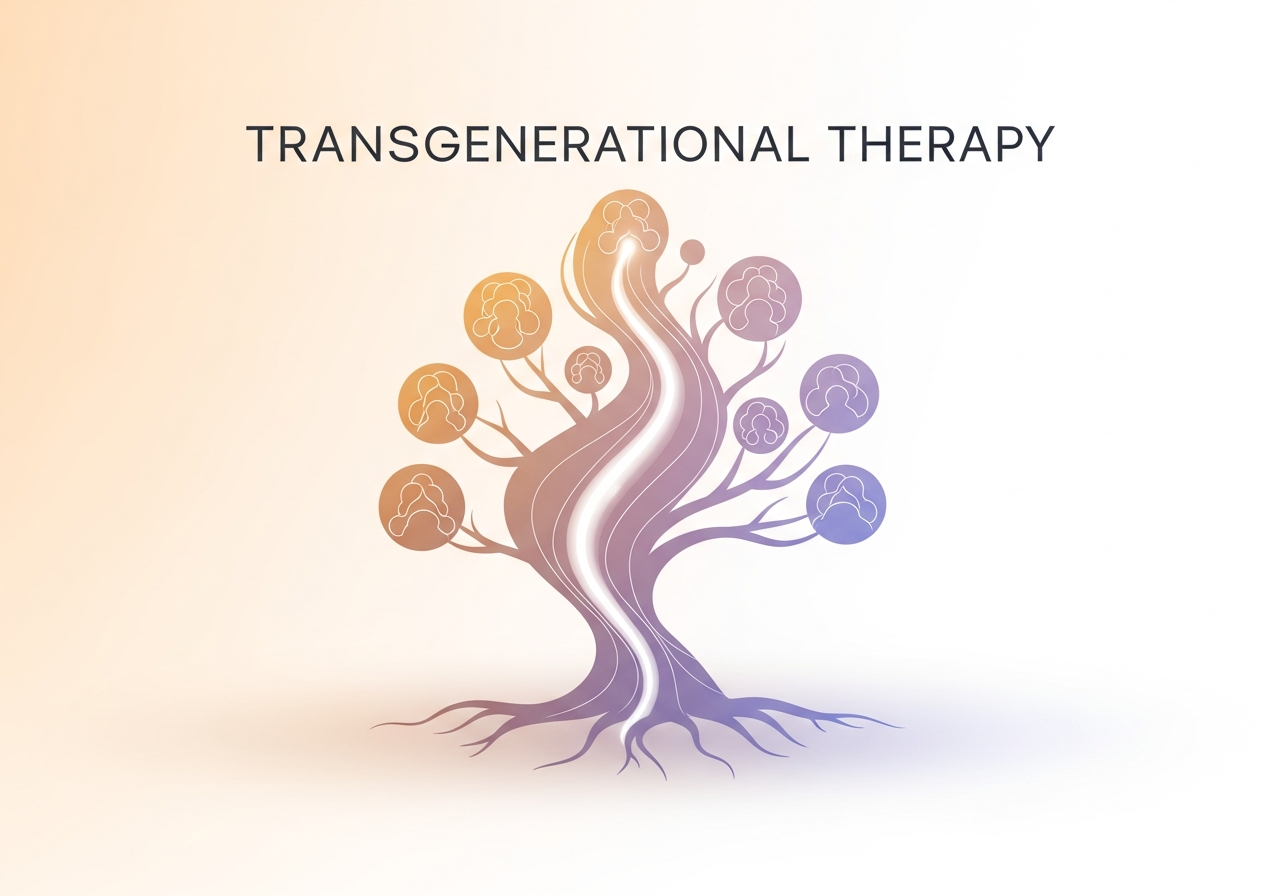
Understanding Trauma and Its Impact
Trauma can stem from various sources, including personal experiences, accidents, or major life changes. It affects not only the mind but also the body and spirit, leading to a range of emotional and physical symptoms. Understanding trauma is the first step toward healing and recovery.
What is Trauma Recovery?
Trauma recovery is the process of healing from the emotional and psychological effects of traumatic experiences. It involves acknowledging trauma, processing the feelings associated with it, and developing healthier coping mechanisms. Recovery is a personal journey that can vary greatly from one individual to another.
Benefits of Trauma Recovery
- Improved Mental Health: Healing from trauma can lead to reduced anxiety, depression, and PTSD symptoms.
- Enhanced Physical Well-being: Many individuals experience physical health improvements as emotional healing progresses.
- Emotional Regulation: Recovery helps individuals develop better emotional resilience and coping strategies.
- Stronger Relationships: Healing can improve interpersonal relationships by fostering healthier communication and boundaries.
- Increased Self-awareness: Trauma recovery often leads to a deeper understanding of oneself and one's needs.
Practical Tips for Trauma Recovery
Embarking on the journey of trauma recovery can feel overwhelming. However, incorporating small, manageable steps into your daily routine can facilitate healing.
1. Acknowledge Your Feelings
Allow yourself to feel your emotions without judgment. Journaling can be an effective tool to express your thoughts and feelings.
2. Seek Professional Help
Consider reaching out to a therapist or counselor specializing in trauma. Professional support provides a safe space to process your experiences and gain coping strategies.
3. Build a Support Network
Surround yourself with supportive friends and family, or join a support group where you can share your journey with others who understand.
4. Practice Mindfulness and Relaxation
Engage in mindfulness practices such as meditation, yoga, or deep-breathing exercises to help calm the mind and body.
5. Establish Healthy Routines
Creating a daily routine can instill a sense of normalcy and security. Include regular exercise, nutritious meals, and adequate sleep in your schedule.
6. Set Boundaries
Learn to say no and prioritize your well-being. Establishing healthy boundaries is crucial in protecting your emotional space as you heal.
How to Navigate Your Healing Journey
Trauma recovery is not a linear process; it often comes with ups and downs. Here are some strategies to navigate your healing journey:
1. Be Patient with Yourself
Healing takes time. Be gentle and patient with yourself as you work through the recovery process.
2. Celebrate Small Victories
Recognize and celebrate your progress, no matter how small. Acknowledging achievements can help boost motivation and morale.
3. Embrace Vulnerability
Allow yourself to be vulnerable in your healing process. This can lead to deeper connections with others and a greater understanding of your experiences.
4. Explore Spiritual Practices
If it resonates with you, consider exploring spiritual practices such as prayer, meditation, or connecting with nature. These activities can provide comfort and a sense of peace.
Conclusion
Trauma recovery is a profound and personal journey that requires commitment and self-compassion. By implementing these trauma recovery basics, you are taking important steps towards healing and wellness. Remember, you are not alone, and there is support available on your path to recovery.