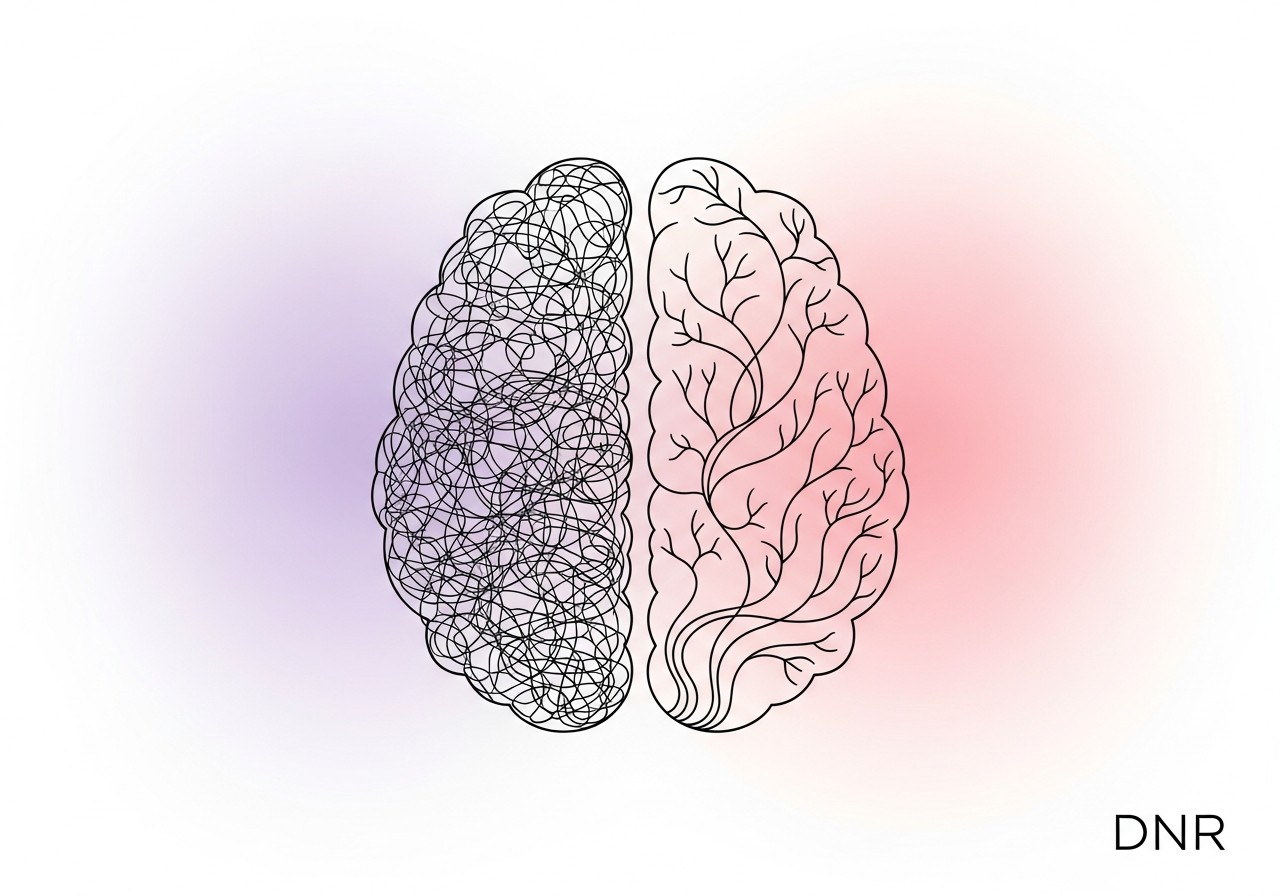
Understanding Holistic Health
Holistic health is an approach that emphasizes the connection between the mind, body, and spirit. Rather than merely treating symptoms, holistic health seeks to understand the underlying causes of health issues, promoting overall well-being. This comprehensive model encourages individuals to take an active role in their health and recognizes that factors like lifestyle, environment, and emotional well-being play crucial roles in physical health.
Benefits of Holistic Health Approaches
- Comprehensive Well-being: Holistic health addresses all aspects of a person, leading to a more rounded sense of well-being.
- Prevention Focus: By looking at the root causes of health issues, holistic practices can prevent disease before it occurs.
- Empowerment: Individuals are empowered to take control of their health, making informed decisions about their lifestyle and wellness practices.
- Improved Mental Health: Techniques such as mindfulness and meditation foster emotional resilience and reduce stress.
- Enhanced Quality of Life: Holistic health encourages healthy relationships and community connections, contributing to overall happiness and fulfillment.
Practical Tips for Integrating Holistic Health Approaches
1. Mindfulness and Meditation
Begin your journey by incorporating mindfulness and meditation into your daily routine. These practices enhance self-awareness and promote mental clarity. Aim for at least 10 minutes each day to sit in silence, focusing on your breath and allowing thoughts to come and go without judgment.
2. Nutritious Whole Foods
Adopt a diet rich in whole, nutrient-dense foods. Focus on fruits, vegetables, whole grains, nuts, and lean proteins. Avoid processed foods high in sugar and unhealthy fats. Consider meal prepping to ensure you have healthy options readily available.
3. Physical Activity
Incorporate regular physical activity that you enjoy into your schedule. Whether it's yoga, walking, dancing, or strength training, the key is consistency. Aim for at least 30 minutes of movement most days of the week.
4. Emotional Wellness
Engage in practices that support emotional health, such as journaling or talking to a trusted friend or therapist. Acknowledge and process emotions rather than suppressing them.
5. Nature Connection
Spend time in nature to rejuvenate your spirit. Nature walks, gardening, or simply sitting in a park can significantly reduce stress and improve overall mood.
6. Regular Self-Care
Establish a self-care routine that includes activities that recharge you, be it reading, taking baths, or practicing hobbies. Prioritize time for yourself without feeling guilty.
How to Get Started with Holistic Health
Getting started with holistic health is easier than you might think. Begin by assessing your current lifestyle. Identify areas that may need improvement, and gradually integrate holistic practices that resonate with you. Here’s a simple roadmap to help you:
- Set Goals: Define what wellness means to you and set realistic, achievable goals.
- Educate Yourself: Read books, attend workshops, or listen to podcasts on holistic health.
- Build a Support System: Surround yourself with like-minded individuals who support your holistic journey.
- Track Your Progress: Keep a journal to reflect on your experiences and note any changes in your mental and physical well-being.
Conclusion
Adopting holistic health approaches can profoundly impact your overall well-being. By embracing the interconnectedness of mind, body, and spirit, you open yourself up to a more fulfilling and balanced life. Start small, be patient with yourself, and enjoy the journey toward holistic wellness.