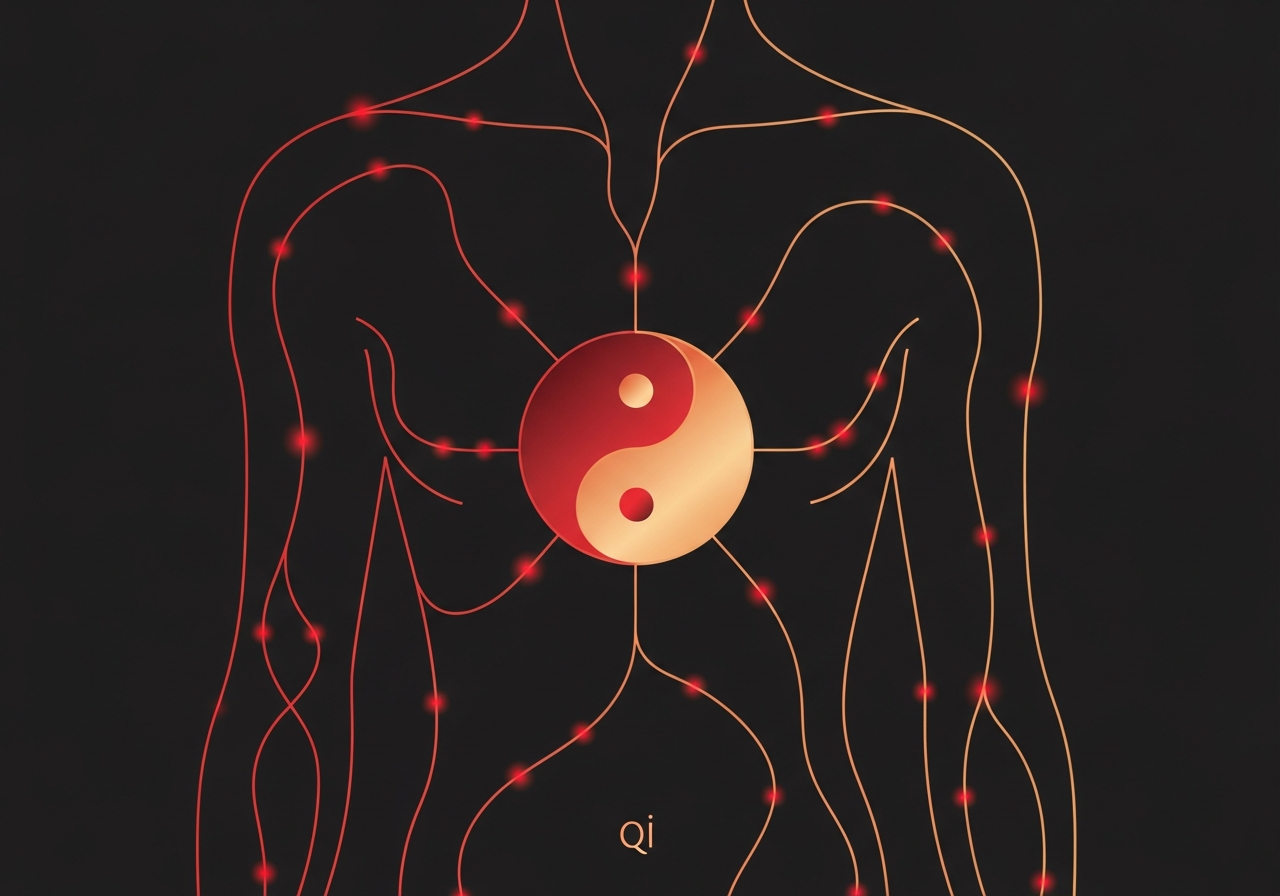
Understanding Energy Management
Energy management is the conscious focus on the energy we possess and how we utilize it throughout our daily lives. It encompasses physical, emotional, and mental energy, aiming to strike a balance that enhances our performance and well-being. In an era where burnout and fatigue are common, mastering your energy can lead to greater productivity, improved mental clarity, and a more fulfilling life.
The Benefits of Effective Energy Management
- Increased Productivity: Managing your energy helps optimize performance, allowing you to accomplish more tasks efficiently.
- Enhanced Creativity: A well-managed energy system can stimulate creative thinking and innovative ideas.
- Improved Mental Clarity: When energy levels are balanced, clarity of thought and decision-making improves significantly.
- Better Emotional Well-being: By understanding your energy sources, you can cope better with stress and emotions.
- Stronger Physical Health: Proper energy management can lead to sustainable energy levels and better physical health.
Practical Tips for Energy Management
1. Identify Your Energy Peaks
Everyone has specific times of the day when they feel most energized. Pay attention to your patterns and identify the periods when you are at your peak. Use these times for high-focus tasks or meetings.
2. Establish a Routine
Creating a daily routine helps structure your day while allowing you to allocate high-energy periods to demanding tasks. Maintain consistency in your schedule to develop sustainable energy habits.
3. Prioritize Nutrition
A balanced diet is crucial for energy management. Focus on whole foods rich in nutrients. Incorporate:
- Complex carbohydrates (oats, whole grains)
- Healthy fats (avocados, nuts)
- Lean proteins (chicken, legumes)
- Hydration (drink ample water)
4. Incorporate Regular Movement
Physical activity can significantly elevate energy levels. Aim for at least 30 minutes of physical exercise each day whether through walking, yoga, or any form of movement that brings you joy.
5. Take Meaningful Breaks
While it may seem counterintuitive, taking short breaks can enhance productivity and energy levels. Consider the Pomodoro technique—working for 25 minutes and taking a 5-minute break—to rejuvenate your mind.
6. Monitor and Manage Stress
Stress can drain your energy quickly. Implement stress-management techniques such as mindfulness, deep breathing, or journaling to keep stress levels in check.
7. Limit Digital Distractions
Technology can be both a friend and a foe. Limit your screen time, especially on social media, to prevent energy leakage from technology use.
8. Foster Healthy Relationships
Surround yourself with supportive people who uplift and energize you. Healthy relationships can significantly improve emotional well-being and energy levels.
Conclusion
Energy management is not just about maintaining stamina; it’s about creating a holistic approach to wellness. By identifying energy patterns and implementing practical strategies for energy optimization, you can improve your productivity, emotional well-being, and physical health. Start today: take small steps towards mastering your energy, and enjoy the numerous benefits it brings to your overall quality of life.