The Connection Between Nutrition and Mental Health
Nutrition is often viewed through the lens of physical health, but its impact on mental health is equally significant. Research has shown that a balanced diet can improve mood, reduce anxiety, and enhance cognitive function. The foods we consume provide the essential nutrients our brains need to operate effectively.
Why Nutrition Matters for Mental Wellness
The brain requires a variety of nutrients to thrive, including:
- Omega-3 Fatty Acids: Found in fish, flaxseeds, and walnuts, these fats are vital for brain health and have been linked to reduced symptoms of depression and anxiety.
- Vitamins and Minerals: B vitamins, vitamin D, magnesium, and zinc play critical roles in mood regulation. Deficiencies in these nutrients can lead to increased mental health issues.
- Amino Acids: These building blocks of protein are essential for neurotransmitter production, which affects mood and cognitive functions.
Practical Tips for Nourishing Your Mental Health
Improving your mental health through nutrition doesn't have to be complicated. Here are practical tips to incorporate into your daily routine:
1. Focus on Whole Foods
Prioritize whole foods such as fruits, vegetables, whole grains, nuts, and seeds. These foods are rich in vitamins, minerals, and antioxidants that support brain function.
2. Include Omega-3 Fatty Acids
Incorporate fish (like salmon and sardines), chia seeds, and walnuts into your meals. If you're vegetarian or vegan, consider algae-based omega-3 supplements.
3. Stay Hydrated
Dehydration can affect mood and cognitive performance. Aim to drink plenty of water throughout the day, and consider herbal teas as a flavorful alternative.
4. Monitor Sugar and Processed Food Intake
High sugar and processed foods can lead to mood swings and anxiety. Limit these foods and replace them with healthier options. For a sweet treat, choose fruits or dark chocolate in moderation.
5. Establish Regular Meal Patterns
Eating regular meals helps maintain stable blood sugar levels, which can positively influence mood and energy levels. Try to include a mix of protein, healthy fats, and carbohydrates in each meal.
6. Consider Probiotics
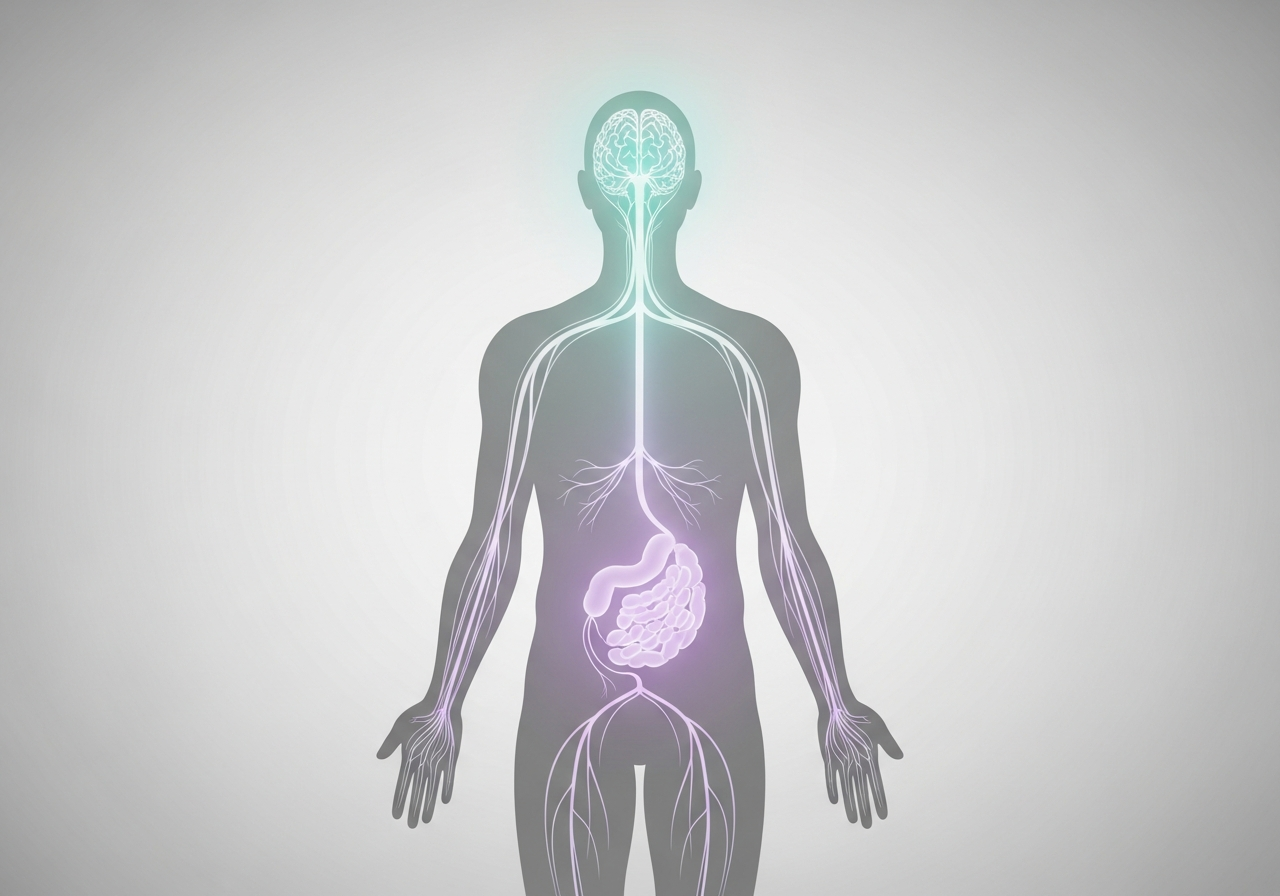
The gut-brain connection is powerful. Fermented foods like yogurt, kefir, and sauerkraut can promote gut health and possibly improve mental well-being.
Benefits of a Nutritional Approach to Mental Health
Investing in a nutritious diet can yield numerous benefits for mental health, including:
- Improved Mood: A balanced diet can enhance serotonin levels, the brain's “feel-good” chemical.
- Reduced Anxiety and Stress: Certain nutrients help combat stress and anxiety, promoting a sense of calm.
- Enhanced Cognitive Function: Proper nutrition supports memory, focus, and overall cognitive performance.
- Better Sleep: Foods rich in magnesium (like leafy greens and nuts) can improve sleep quality, which is vital for mental health.
Getting Started on Your Nutritional Journey
To effectively adopt a nutrition-focused approach to your mental health, consider the following steps:
- Evaluate Your Current Diet: Keep a food diary to identify patterns and make necessary adjustments.
- Set Realistic Goals: Start by incorporating one or two healthy changes each week, rather than overhauling your entire diet at once.
- Consult a Professional: If you struggle with mental health issues, consider consulting a registered dietitian or a mental health professional for personalized guidance.
Conclusion
Nutrition plays a pivotal role in shaping our mental health. By making informed dietary choices, we can enhance our mood, reduce anxiety, and improve cognitive function. Embrace the power of food as a tool for mental wellness, and remember that small changes can lead to significant improvements over time.