The Connection Between Nutrition and Mental Health
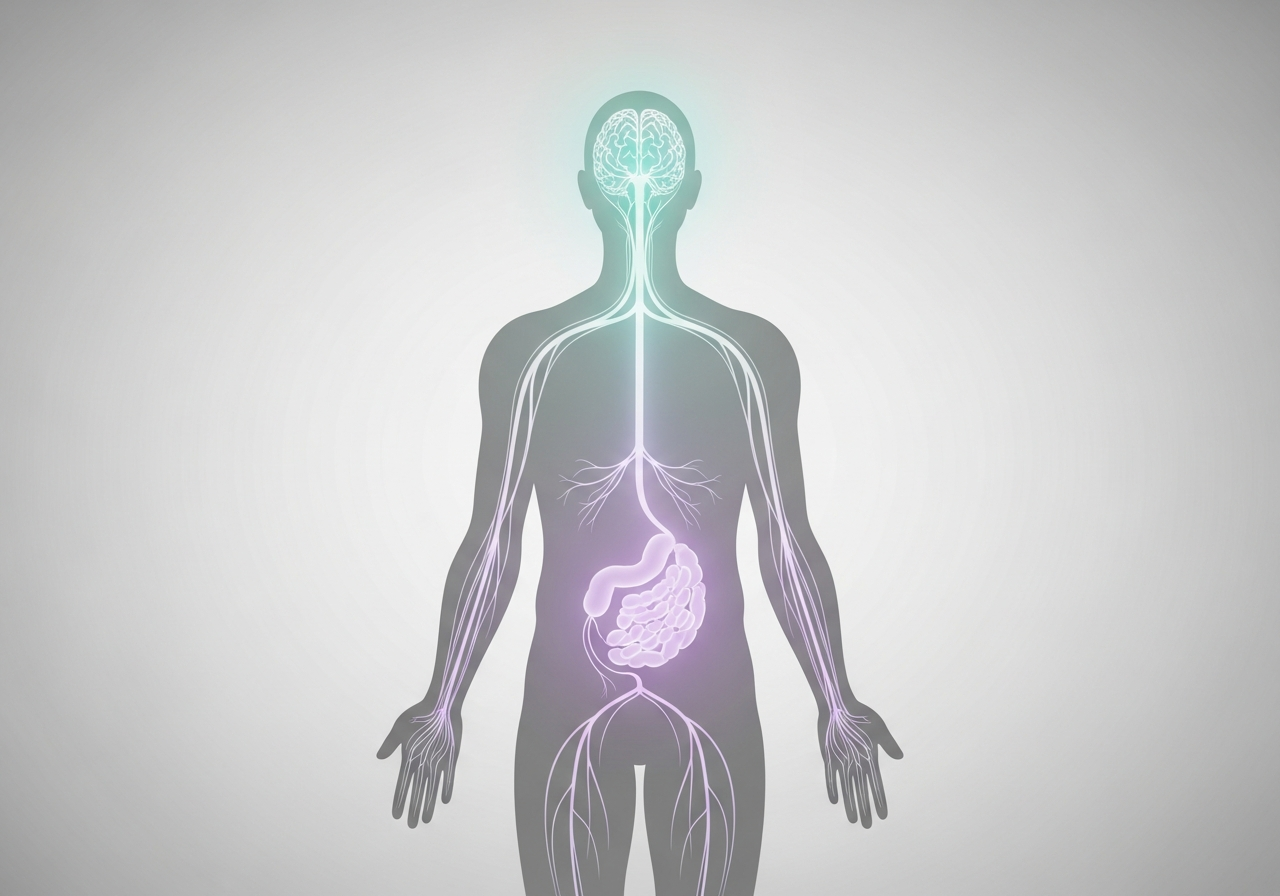
As our understanding of mental health expands, it becomes increasingly clear that what we eat significantly impacts our emotional well-being. Nutrition for mental health is not just a passing trend; it's a vital component of holistic wellness. From mood regulation to cognitive function, the foods we consume can influence our mental state in profound ways.
Why Nutrition Matters for Mental Health
Nutrition affects brain health through several mechanisms, including:
- Neurotransmitter Production: Certain nutrients are precursors to neurotransmitters, which are chemicals that transmit signals in the brain. For instance, serotonin, often called the 'feel-good' neurotransmitter, is synthesized from the amino acid tryptophan found in foods like turkey and bananas.
- Brain Structure and Function: Omega-3 fatty acids, found in fatty fish and walnuts, are crucial for maintaining the structure of brain cells and supporting cognitive functions.
- Inflammation Reduction: Diets rich in antioxidants can help combat inflammation in the brain, which is linked to depression and anxiety. Fruits, vegetables, nuts, and whole grains are excellent sources.
Key Nutrients for Mental Wellness
Integrating certain key nutrients into your diet can foster better mental health:
1. Omega-3 Fatty Acids
Found in fish (like salmon and sardines), flaxseeds, and walnuts, omega-3s have been linked to lower rates of depression and anxiety.
2. B Vitamins
B vitamins, particularly B12 and folate, play a critical role in mood regulation. Sources include leafy greens, legumes, eggs, and fortified cereals.
3. Vitamin D
Often referred to as the 'sunshine vitamin', vitamin D is vital for mood stabilization. Sun exposure, fatty fish, and fortified dairy can help maintain adequate levels.
4. Antioxidants
Antioxidant-rich foods like berries, nuts, and dark chocolate can help protect brain cells from oxidative stress.
Practical Tips for Incorporating Nutrition into Your Mental Health Routine
Making dietary changes can seem daunting, but with these practical tips, you can gradually improve your nutrition for better mental health:
- Start Small: Introduce one healthy food into your meals each week. This could be adding a serving of greens to your lunch or swapping a sugary snack for a piece of fruit.
- Plan Your Meals: Take time each week to plan your meals. This not only ensures you eat balanced meals but can also reduce stress related to last-minute food choices.
- Stay Hydrated: Dehydration can negatively impact mood and cognitive function. Aim to drink plenty of water throughout the day.
- Mindful Eating: Pay attention to what and how you eat. Mindful eating can enhance your relationship with food and promote better digestion and satisfaction.
- Seek Support: If you're unsure about where to start, consider consulting a registered dietitian or nutritionist who specializes in mental health.
Conclusion: The Path to Better Mental Health Through Nutrition
Incorporating a balanced diet rich in essential nutrients can significantly impact your mental health. While nutrition is just one piece of the puzzle, it is a powerful tool in promoting emotional well-being. By making mindful dietary choices, you can nourish your mind as well as your body, paving the way for improved mental clarity, mood, and overall wellness.