Understanding Emotional Healing
Emotional healing involves addressing and resolving emotional pain or trauma to foster mental and emotional well-being. This process can help individuals regain a sense of control and improve their overall quality of life. Whether dealing with grief, anxiety, or past traumas, emotional healing is a vital aspect of personal development.
The Importance of Emotional Healing
Emotional healing is not merely a luxury; it is essential for several reasons:
- Improved Mental Health: Healing emotional wounds can lead to reduced anxiety, depression, and stress, promoting a healthier mind.
- Enhanced Relationships: Processing emotions can improve communication skills, empathy, and connection with others.
- Increased Resilience: Emotional healing builds resilience, enabling individuals to navigate life's challenges more effectively.
- Personal Growth: Engaging in emotional healing often leads to increased self-awareness and personal insight.
Practical Tips for Emotional Healing
Embarking on the journey of emotional healing can be transformative. Here are some practical strategies to facilitate this process:
1. Acknowledge Your Emotions
Recognizing your feelings is the first step toward healing. Allow yourself to feel without judgment, whether it’s sadness, anger, or joy. Journaling can be a helpful way to articulate your emotions.
2. Seek Professional Guidance
Therapists and counselors can provide invaluable support. They can equip you with tools to process emotions and develop coping strategies tailored to your needs.
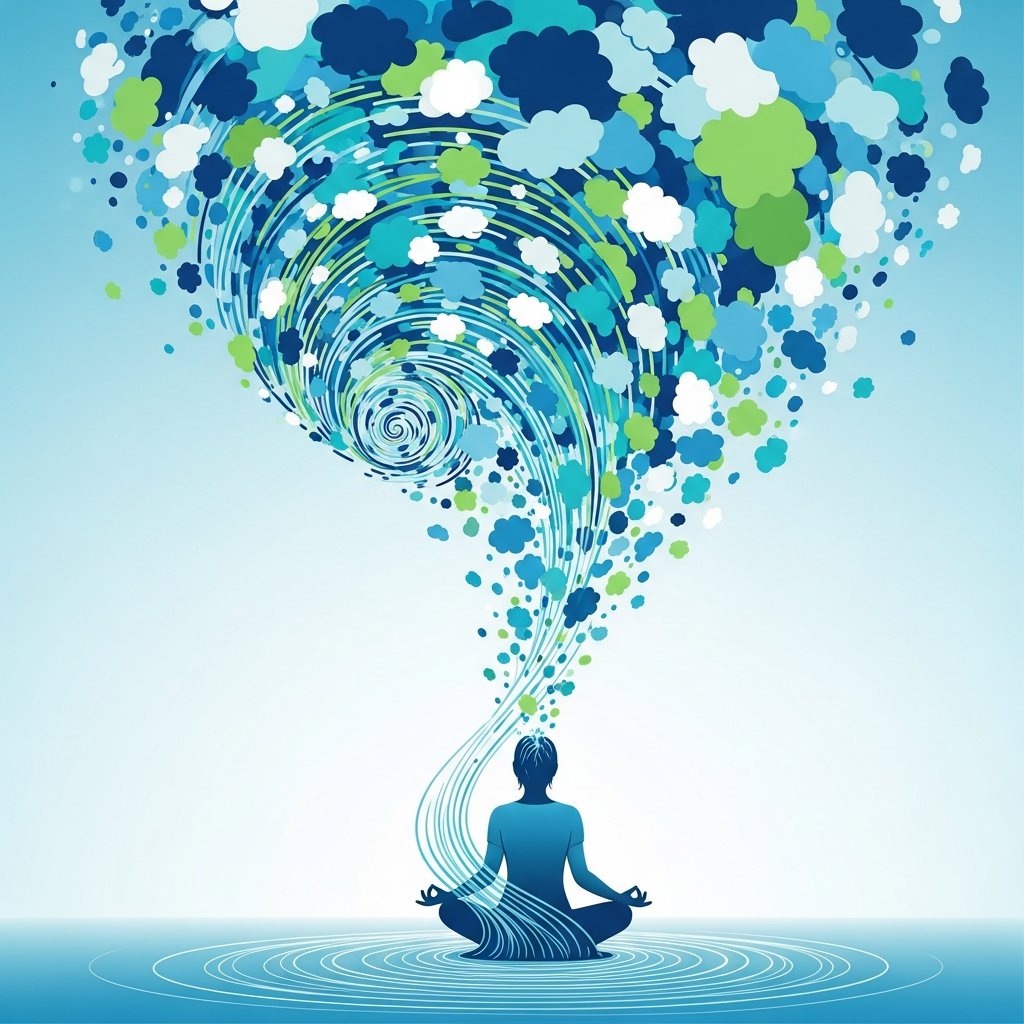
3. Practice Mindfulness and Meditation
Mindfulness techniques can help ground you in the present and create a safe space for emotional exploration. Simple practices include:
- Deep breathing exercises
- Guided meditations
- Body scans to release tension
4. Foster Supportive Relationships
Surround yourself with friends or family who provide emotional support. Sharing your experiences with trusted individuals can alleviate feelings of isolation and promote understanding.
5. Engage in Creative Outlets
Art, music, and writing can serve as powerful tools for emotional expression. Engaging in creative activities allows you to process feelings in a constructive manner.
6. Set Healthy Boundaries
Establishing boundaries is crucial for protecting your emotional space. Learn to say no and prioritize self-care. This fosters a healthier emotional environment.
7. Explore Nature
Spending time outdoors can be incredibly therapeutic. Nature has a calming effect and can help alleviate stress while encouraging reflection.
Benefits of Emotional Healing
The benefits of engaging in emotional healing are profound and far-reaching. By working through emotional pain, you can experience:
- Improved Self-Esteem: Addressing emotional wounds can lead to a healthier self-image and increased self-worth.
- Greater Emotional Stability: You’ll develop healthier coping mechanisms, leading to better emotional regulation.
- Enhanced Clarity: Healing can provide you with greater insight into your life and decisions, fostering a sense of direction.
- Fulfillment and Joy: As you heal, you may find yourself more open to experiencing joy and fulfillment in everyday life.
Conclusion
Emotional healing is a vital aspect of personal development that opens the door to greater well-being. By acknowledging your emotions and engaging in the practical tips outlined above, you can embark on a transformative journey towards healing. Remember, the path to emotional wellness is unique for everyone, so take your time and be gentle with yourself as you navigate this important process.