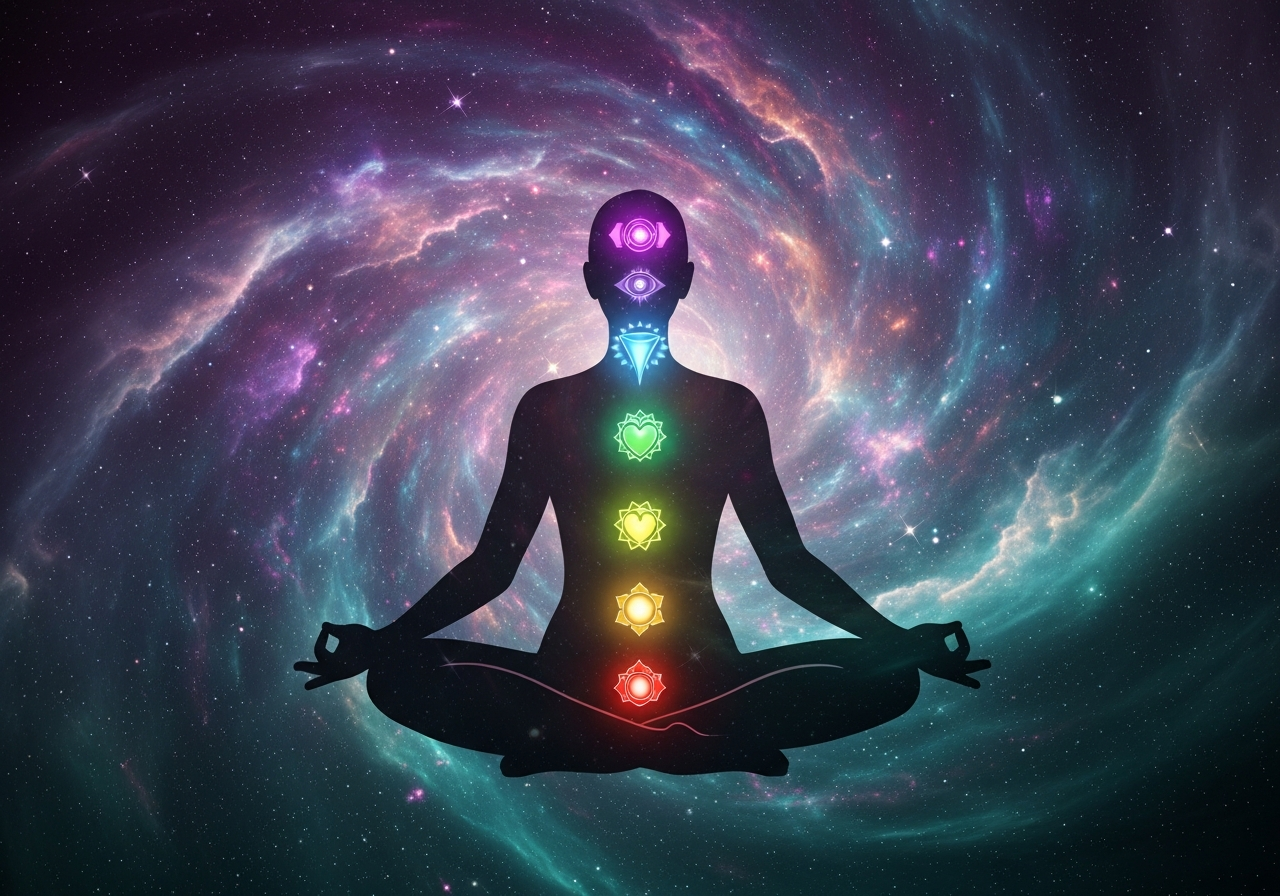
Understanding Emotional Healing
Emotional healing is the process of addressing and releasing emotional pain, trauma, and negative experiences to restore mental and emotional balance. This journey is essential for overall well-being, as unresolved emotions can manifest in physical health issues, stress, and dysfunctional relationships.
Benefits of Emotional Healing
- Enhanced Well-being: Emotional healing fosters a deeper sense of peace and happiness, allowing individuals to thrive in their personal and professional lives.
- Improved Relationships: By healing past wounds, individuals can relate more authentically and empathetically to others.
- Increased Resilience: Healing equips individuals with the tools to cope with future challenges more effectively.
- Better Physical Health: The mind-body connection means that emotional healing can lead to reduced stress-related ailments and improved overall health.
Practical Tips for Emotional Healing
1. Acknowledge Your Feelings
The first step in emotional healing is to recognize and accept your feelings. Avoid suppressing emotions; instead, allow yourself to experience them fully. Journaling can be an effective way to articulate and confront your emotions without judgment.
2. Seek Professional Support
Consider working with a mental health professional such as a therapist or counselor. They can provide a safe space for you to explore your feelings and guide you through the healing process.
3. Practice Self-Care
Prioritize activities that nourish your body and soul. Engage in hobbies, exercise regularly, maintain a balanced diet, and ensure you get adequate sleep. Self-care is not selfish; it is a critical component of emotional healing.
4. Build a Support Network
Surround yourself with supportive friends or family members who understand your journey. Sharing your experiences with trusted individuals can help you feel less isolated and more connected.
5. Explore Mindfulness and Meditation
Mindfulness practices, such as meditation and yoga, can significantly aid emotional healing. These techniques encourage living in the present moment, reducing anxiety and fostering a sense of peace.
6. Embrace Forgiveness
Forgiveness—of yourself and others—is a powerful tool for emotional healing. Holding onto anger and resentment can be toxic, while forgiveness opens the door to inner peace.
How to Start Your Healing Journey
Step 1: Set Intentions
Before beginning your healing journey, consider what you want to achieve. Setting intentions can provide direction and motivation.
Step 2: Create a Healing Plan
Outline specific actions you will take based on the practical tips mentioned above. Establish a timeline for your healing journey, recognizing that it may take time.
Step 3: Monitor Your Progress
Regularly reflect on your emotional state and the effectiveness of your chosen strategies. Adjust your plan as needed, and celebrate small victories along the way.
Conclusion
Emotional healing is a transformative journey that enhances your overall well-being. By acknowledging your feelings, seeking support, and employing practical strategies, you can unlock a world of resilience and inner peace. Remember, healing is a personal process, and it’s okay to take the time you need to nurture your emotional health.