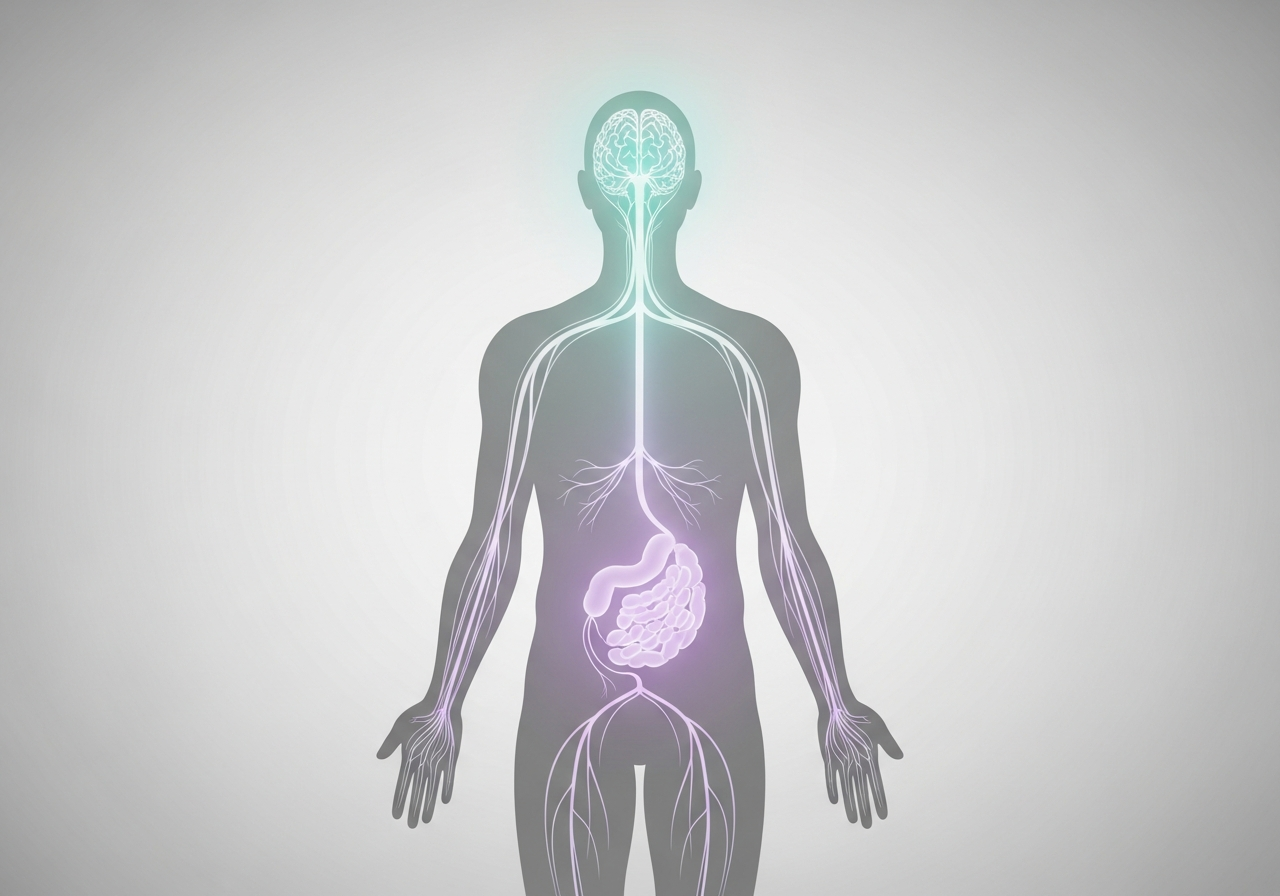
Understanding Emotional Healing
Emotional healing is the process of addressing and overcoming emotional pain, trauma, and distress. It involves letting go of negative feelings and experiences that weigh us down, allowing us to cultivate a healthier mindset and emotional balance. While the journey of emotional healing can be challenging, it is essential for personal growth and overall well-being.
The Benefits of Emotional Healing
Embarking on an emotional healing journey offers numerous benefits:
- Improved Mental Health: Addressing emotional wounds can lead to reduced symptoms of anxiety and depression.
- Enhanced Relationships: As you heal emotionally, you will likely find it easier to connect with others.
- Increased Resilience: You will develop greater coping skills, allowing you to navigate life's challenges more effectively.
- Greater Self-Awareness: Emotional healing fosters a deeper understanding of yourself and your emotions.
- Boosted Self-Esteem: Overcoming emotional hurdles can significantly enhance your self-confidence.
Practical Tips for Emotional Healing
Here are some actionable steps to guide you on your emotional healing journey:
1. Acknowledge Your Feelings
The first step toward emotional healing is acknowledging your feelings. Allow yourself to feel and express your emotions rather than suppressing them. Journaling can be a powerful tool for this; write down what you're feeling and why.
2. Seek Professional Help
If you're struggling with deep-seated emotional issues, consider seeking help from a licensed therapist or counselor. Professional guidance can provide you with coping strategies and a safe space to explore your emotions.
3. Practice Mindfulness and Meditation
Mindfulness practices, such as meditation and deep breathing, help center your thoughts and calm your mind. These techniques allow you to observe your emotions without judgment, facilitating a clearer understanding of what you're experiencing.
4. Engage in Physical Activity
Physical activity is not just beneficial for your body; it can also significantly impact your emotional well-being. Exercise releases endorphins, the body’s natural stress relievers, which can help improve your mood.
5. Establish a Support Network
Surround yourself with supportive friends and family who respect and validate your feelings. Sharing your experiences with others can help lighten your emotional load and provide comfort.
6. Create Healthy Boundaries
Learning to say no and establishing boundaries is crucial for protecting your emotional health. Recognize your limits and communicate them to others, allowing you to prioritize your well-being.
7. Explore Creative Outlets
Engaging in creative activities such as painting, writing, or playing music can serve as a therapeutic outlet for expressing and processing your emotions.
How to Make Emotional Healing a Daily Practice
Incorporating emotional healing into your daily routine can create lasting change. Here are some strategies to consider:
- Daily Reflection: Set aside time each day for self-reflection, allowing yourself to process your feelings and experiences.
- Gratitude Practice: Cultivating gratitude can shift your focus from negative to positive aspects of your life, enhancing your emotional state.
- Mindful Moments: Take short breaks throughout the day to engage in mindfulness techniques such as deep breathing or meditation.
- Connect with Nature: Spending time outdoors has been shown to improve mood and emotional well-being. Take regular walks in nature to recharge.
Conclusion
Emotional healing is a vital journey toward achieving a balanced and fulfilling life. By acknowledging your emotions, seeking support, and implementing practical strategies, you can unlock the door to resilience, self-discovery, and inner peace. Remember that emotional healing is a continuous process that requires patience and commitment; be gentle with yourself as you navigate this transformative journey.