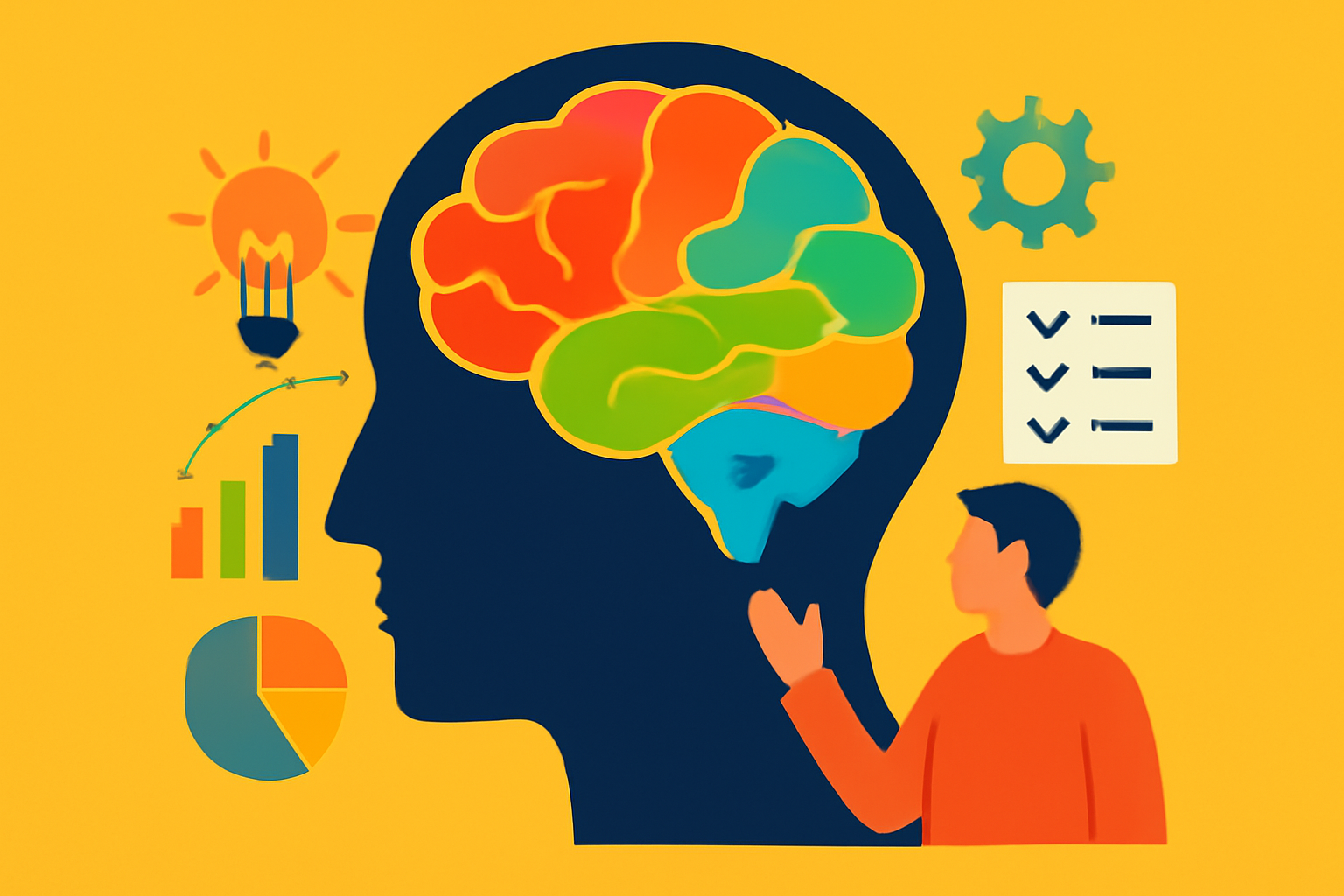
Understanding Positive Psychology
Positive psychology is a scientific approach that focuses on enhancing well-being, happiness, and personal fulfillment. Unlike traditional psychology, which often addresses mental suffering, positive psychology emphasizes strengths, virtues, and the factors that contribute to a fulfilling life.
The Importance of Positive Psychology Practices
Engaging in positive psychology practices can lead to numerous benefits:
- Enhanced well-being: Regular practice can increase overall life satisfaction.
- Increased resilience: Cultivating positivity helps individuals bounce back from challenges.
- Improved relationships: Fostering positivity can enhance interpersonal connections.
- Better physical health: A positive mindset is linked to lower stress levels, which can lead to improved health.
Practical Tips for Integrating Positive Psychology into Daily Life
1. Practice Gratitude
Taking just a few minutes each day to reflect on what you are grateful for can significantly improve your outlook on life. Here’s how to get started:
- Keep a gratitude journal to write down three things you appreciate each day.
- Share your gratitude with friends or family to enhance social connections.
2. Cultivate Mindfulness
Mindfulness trains your brain to stay present, helping you to appreciate each moment fully. To practice mindfulness, consider:
- Engaging in meditation for 5-10 minutes daily to clear your mind and increase awareness.
- Incorporating mindful walking, where you focus on your breath and surroundings as you move.
3. Foster Positive Relationships
Nurturing your relationships can be incredibly beneficial to your wellbeing. Here are some strategies:
- Reach out to friends and family regularly to strengthen your connections.
- Engage in meaningful conversations that foster deeper understanding and trust.
4. Set and Pursue Meaningful Goals
Goals give your life direction and purpose. To effectively set goals, follow these steps:
- Identify what truly matters to you and align your goals accordingly.
- Break larger goals into smaller, manageable steps to track your progress.
5. Embrace Optimism
Optimism can be cultivated by reframing negative thoughts. Try these techniques:
- Challenge negative thoughts by looking for evidence that contradicts them.
- Visualize a positive outcome in challenging situations to foster an optimistic mindset.
Making Positive Psychology a Habit
Incorporating these practices into your routine can be transformative, but consistency is key. Here’s how to make positive psychology a part of your everyday life:
- Set aside specific times each week to reflect on your progress or practice new techniques.
- Join a community or workshop focused on positive psychology to enhance accountability.
- Track your improvements in mood and mindset through journaling or apps designed for self-reflection.
In Conclusion
Embracing positive psychology practices can significantly enhance your mental well-being and overall happiness. By integrating gratitude, mindfulness, positive relationships, meaningful goals, and optimism into your life, you can cultivate a more fulfilling and resilient existence. Start today, and take small steps toward a more positive and enriching life.