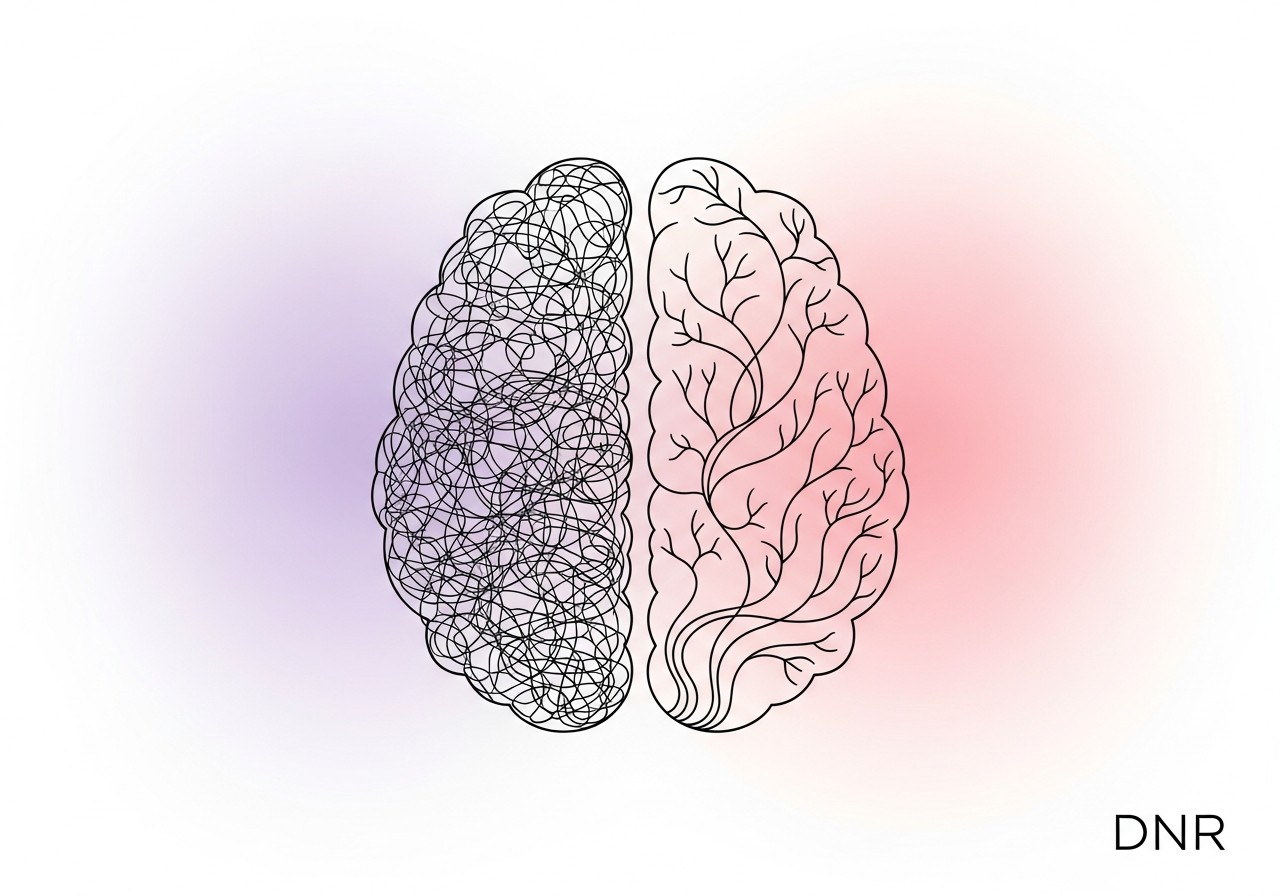
Understanding Positive Psychology
Positive psychology is a branch of psychology that focuses on the study of human flourishing, well-being, and what makes life worth living. Unlike traditional psychology, which often emphasizes mental illness and dysfunction, positive psychology seeks to cultivate positive experiences and traits. By implementing positive psychology practices, individuals can improve their mental health, resilience, and overall life satisfaction.
Benefits of Positive Psychology Practices
- Improved Well-Being: Engaging in positive psychology practices can significantly enhance your mood and overall happiness.
- Enhanced Resilience: These practices help build resilience, allowing you to navigate life's challenges more effectively.
- Stronger Relationships: Positive psychology fosters empathy and compassion, leading to better interpersonal connections.
- Increased Optimism: By focusing on strengths and positive experiences, you can cultivate a more optimistic outlook on life.
Practical Tips for Implementing Positive Psychology Practices
1. Gratitude Journaling
One of the simplest yet most effective practices in positive psychology is gratitude journaling. Spend a few minutes each day writing down three things you are grateful for. This practice shifts your focus from what you lack to what you have, fostering appreciation and positivity.
2. Mindfulness Meditation
Mindfulness meditation encourages you to be present in the moment, promoting a non-judgmental awareness of thoughts and feelings. Start with just five minutes a day, gradually increasing the time as you become more comfortable. This practice can help reduce stress and enhance your emotional well-being.
3. Acts of Kindness
Engaging in acts of kindness, whether large or small, can boost your mood and create a ripple effect of positivity. Volunteer your time, help a neighbor, or simply offer a compliment to a colleague. These small actions can lead to profound feelings of happiness.
4. Strengths Identification
Understanding your personal strengths is vital in positive psychology. Take a strengths assessment, such as the VIA Survey of Character Strengths, to identify your top traits. Once you know your strengths, find ways to apply them in your daily life, whether in your work or personal relationships.
5. Positive Affirmations
Positive affirmations are statements that reinforce your self-worth and capabilities. Create a list of affirmations that resonate with you, such as "I am capable of overcoming challenges" or "I deserve happiness." Repeat these affirmations daily to cultivate a more positive self-image.
How to Sustain Positive Psychology Practices
To truly benefit from positive psychology practices, consistency is key. Here are some tips to help you integrate these practices into your daily routine:
- Set Reminders: Use your phone or calendar to set daily reminders for practices like journaling or meditation.
- Create a Support System: Share your goals with friends or family who can support you and hold you accountable.
- Track Your Progress: Keep a record of your positive experiences and feelings to stay motivated.
- Be Patient: Understand that change takes time. Stay committed to your practices, and you'll begin to see positive shifts in your life.
Conclusion
Incorporating positive psychology practices into your life can lead to profound changes in your mental health and overall well-being. By focusing on gratitude, mindfulness, kindness, strengths, and positive self-talk, you can cultivate a happier, more fulfilling life. Start small, stay consistent, and enjoy the journey of self-discovery and growth.