Understanding Emotional Healing
Emotional healing refers to the process of addressing and resolving emotional pain or trauma. It is a vital aspect of wellness that allows individuals to regain balance, feel empowered, and foster a greater sense of overall well-being. While everyone experiences emotional challenges, the journey of healing is unique to each person.
The Importance of Emotional Healing
Emotional healing is essential for a multitude of reasons:
- Improved Mental Health: Addressing unresolved emotions can reduce symptoms of anxiety, depression, and stress.
- Stronger Relationships: Healing fosters better communication and understanding, enhancing connections with others.
- Increased Resilience: Individuals become more adept at coping with future challenges.
- Enhanced Self-Awareness: The process encourages introspection, leading to deeper self-understanding.
Practical Tips for Emotional Healing
Embarking on the journey of emotional healing requires commitment and self-compassion. Here are some practical tips to guide you:
1. Acknowledge Your Emotions
Recognizing and accepting your emotions is the first step in the healing process. Allow yourself to feel sadness, anger, or any other emotion without judgment. Journaling can be a helpful tool to articulate your feelings.
2. Seek Support
Don’t hesitate to reach out for help. This can be through friends, family, or mental health professionals. Sharing your experiences can provide relief and perspective.
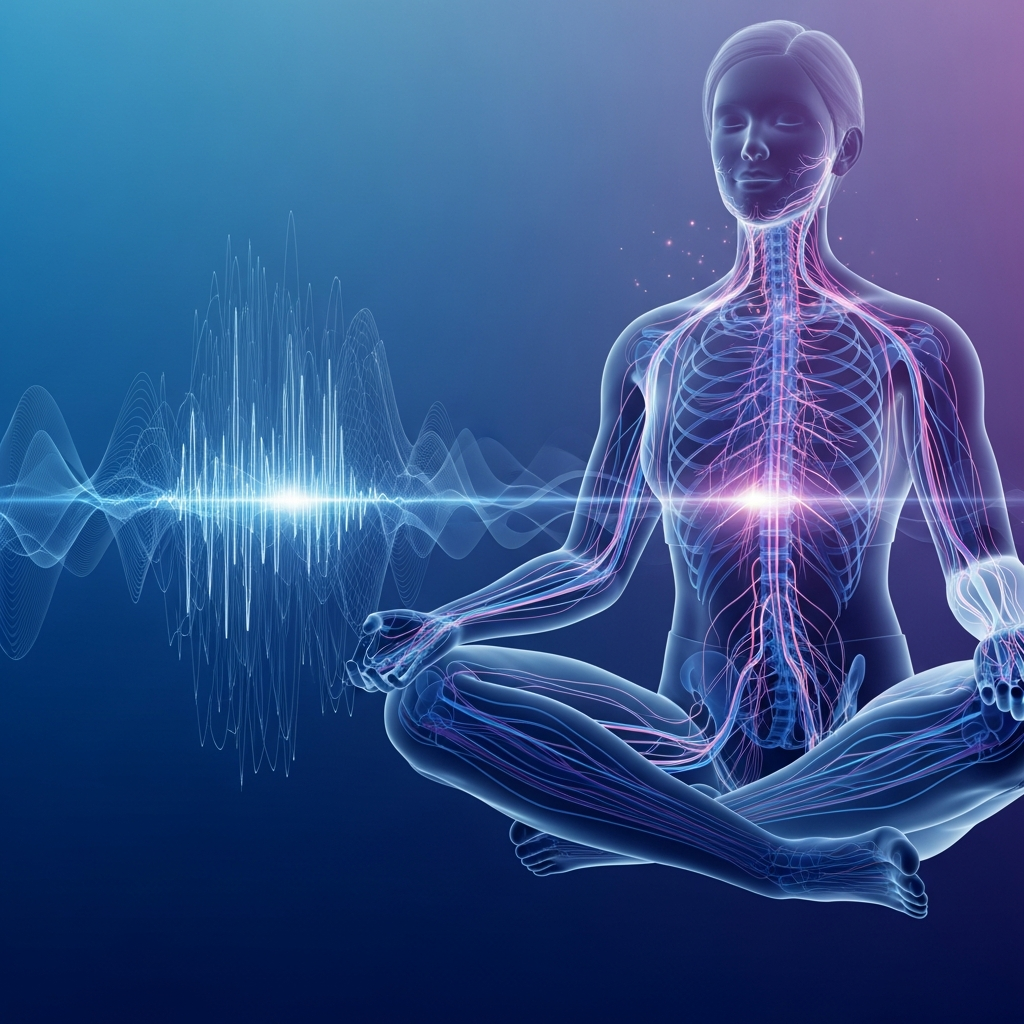
3. Practice Mindfulness and Meditation
Mindfulness practices promote being present in the moment, which can help you detach from overwhelming emotions. Consider incorporating meditation or deep-breathing exercises into your daily routine.
4. Engage in Creative Expression
Art, music, writing, or any creative activity can serve as a therapeutic outlet for your emotions. These forms of expression allow you to channel feelings into something constructive.
5. Establish Healthy Boundaries
Recognizing when to say no and establishing boundaries with others is crucial for emotional well-being. This helps protect your energy and fosters healthier relationships.
6. Physical Wellness
Your physical health is interconnected with your emotional well-being. Regular exercise, a balanced diet, and adequate sleep can significantly impact your mood and overall mental health.
Integrating Emotional Healing into Daily Life
Emotional healing is not a linear process; it requires ongoing effort and dedication. Here are some strategies to integrate healing practices into your daily life:
1. Create a Healing Routine
Designate specific times each week for activities that promote emotional healing, such as journaling, meditating, or attending therapy sessions.
2. Use Affirmations
Positive affirmations can shift your mindset and reinforce your commitment to healing. Repeat affirmations that resonate with you each morning or evening.
3. Reflect Regularly
Set aside time to reflect on your emotional journey. Assess your progress and recognize any patterns that may need attention.
4. Celebrate Small Wins
Healing can be challenging, so it’s important to celebrate your progress, no matter how small. Recognizing achievements can boost motivation and encourage further growth.
Conclusion
Emotional healing is a profound journey toward self-discovery and empowerment. It’s essential to approach this process with patience and compassion for yourself. By implementing these practical tips and integrating healing practices into your daily routine, you can unlock a healthier, more fulfilled version of yourself. Remember, healing is not about forgetting the past, but rather learning from it and moving forward with resilience.