Understanding Digital Detox
In a world where technology reaches into every aspect of our lives, the concept of a digital detox has gained significant attention. A digital detox involves taking a break from digital devices such as smartphones, tablets, and computers to reduce stress, improve mental clarity, and enhance overall well-being.
The Benefits of a Digital Detox
Engaging in a digital detox can yield numerous benefits for both mental and physical health. Here are some key advantages:
- Reduced Stress and Anxiety: Constant notifications and the pressure to stay connected can lead to heightened stress. Unplugging allows your mind to rest and rejuvenate.
- Improved Focus and Productivity: Stepping away from screens can enhance your ability to concentrate on tasks at hand, boosting productivity.
- Better Sleep Quality: The blue light emitted by screens can disrupt your sleep cycle. A detox can lead to improved sleep patterns and quality.
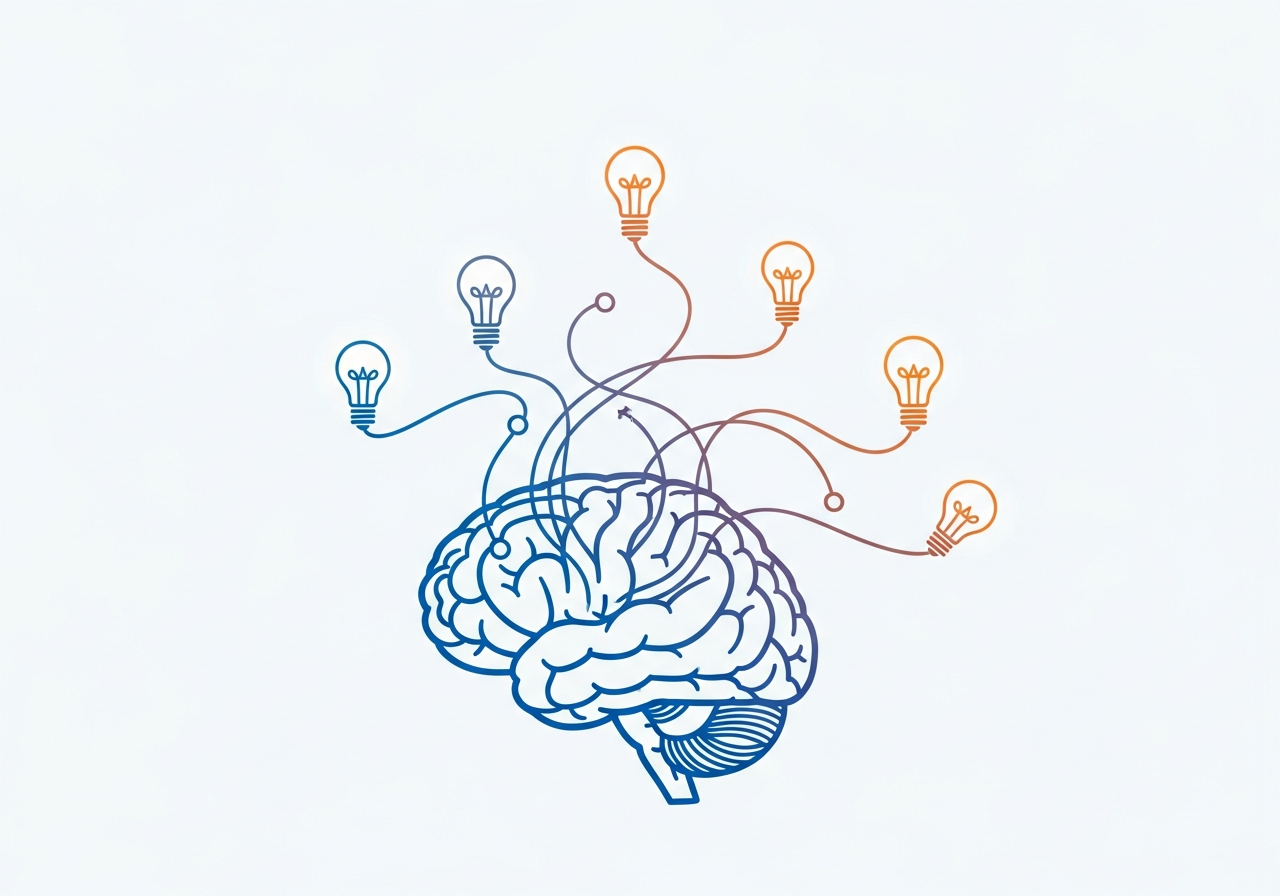
- Enhanced Creativity: Taking a break from digital distractions can foster creativity by allowing your mind to wander and think freely.
- Stronger Relationships: Face-to-face interactions during a digital detox can strengthen connections with family and friends, enhancing your social life.
How to Implement a Digital Detox
Ready to embark on a digital detox? Here are practical steps to get you started:
1. Set Clear Goals
Decide what you want to achieve from your detox. Is it to improve focus, reduce screen time, or reconnect with loved ones? Setting clear intentions will help you stay motivated.
2. Create a Detox Plan
Outline a schedule for your detox. It could range from a few hours each day to an entire weekend or longer. Consider starting small and gradually increasing your detox duration.
3. Inform Others
Let friends, family, or colleagues know about your detox. This way, they can support you and understand why you may not be immediately responsive.
4. Find Alternative Activities
Replace screen time with enriching activities. Consider:
- Reading books
- Engaging in outdoor sports or exercise
- Practicing mindfulness or meditation
- Spending quality time with loved ones
5. Set Boundaries
Limit your screen time by establishing boundaries. For instance, designate certain hours of the day as ‘screen-free’ and stick to it.
6. Evaluate Your Progress
After completing your detox, take some time to reflect on your experience. Ask yourself questions like:
- How did I feel during the detox?
- What benefits did I experience?
- How can I maintain a healthier balance moving forward?
Maintaining a Healthy Digital Balance
Once your detox is over, it’s essential to maintain a healthy relationship with technology. Here are some strategies:
- Set specific times for checking emails and social media.
- Use apps that monitor and limit screen time.
- Prioritize face-to-face interactions over digital communications.
- Continually assess your digital habits and make adjustments as needed.
Conclusion
A digital detox can be a transformative experience that offers various mental and physical health benefits. By consciously stepping away from screens and embracing the world around us, we can foster greater well-being, creativity, and stronger relationships. Whether it's a few hours or several days, taking the time to unplug is a step towards a healthier, more balanced life.