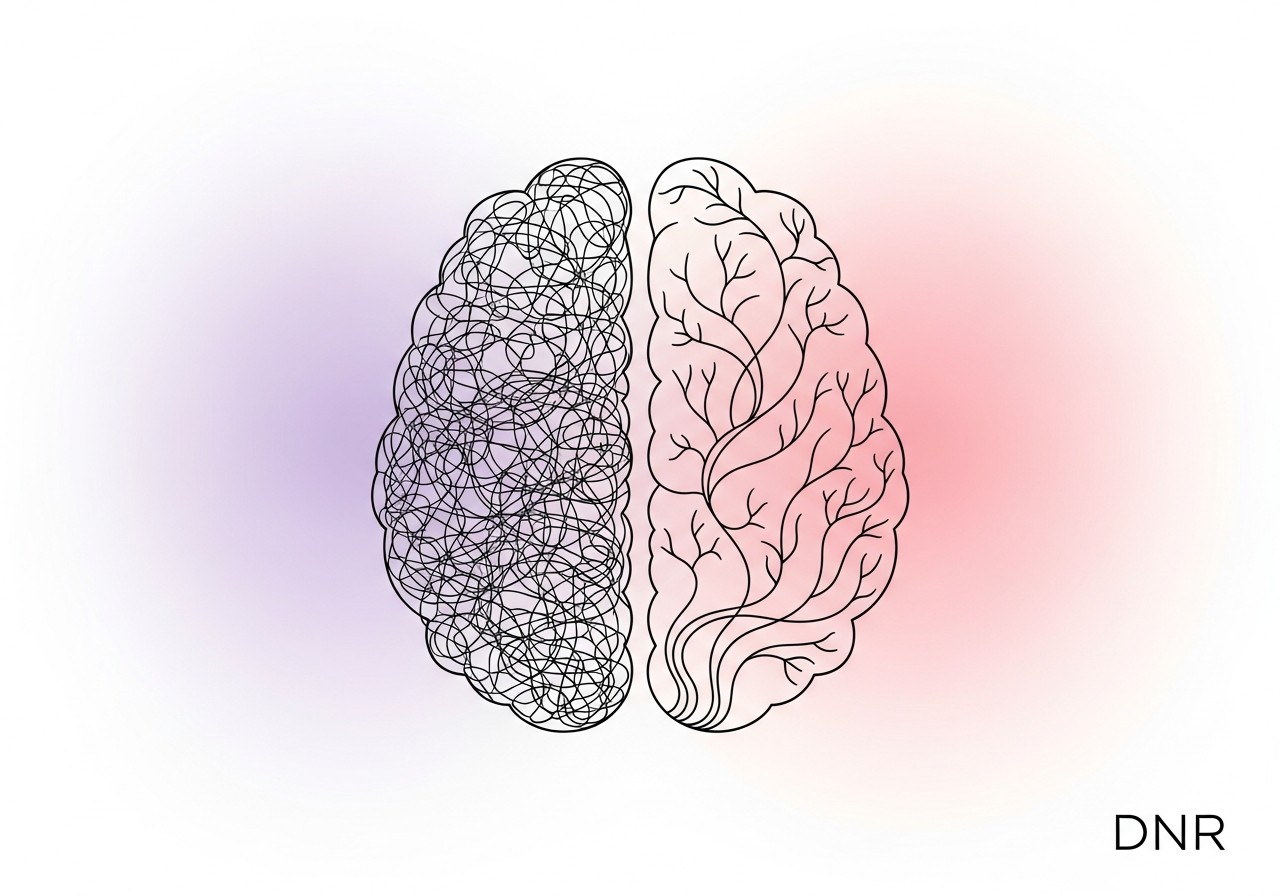
Understanding Holistic Health
Holistic health is an approach to wellness that considers the whole person—mind, body, and spirit. Rather than merely addressing symptoms of illness, holistic health aims to understand the root causes and foster a balanced state of well-being. This philosophy promotes harmony and encourages individuals to take an active role in their health journey.
Benefits of Holistic Health Approaches
Adopting holistic health practices can lead to numerous benefits, including:
- Improved Mental Clarity: Engaging in mindfulness and meditation can aid in reducing stress and enhancing focus.
- Enhanced Physical Health: Integrative practices often lead to better nutrition, exercise, and overall physical fitness.
- Emotional Balance: Holistic methods can help address emotional issues through therapies like art, music, and talk therapy.
- Stronger Spiritual Connection: Many holistic approaches encourage spiritual growth, leading to a deeper understanding of oneself.
Practical Tips for Incorporating Holistic Health
1. Mindfulness and Meditation
Start your day with mindfulness practices like meditation or deep-breathing exercises. Even 10 minutes can help set a positive tone for the day, reduce anxiety, and improve focus.
2. Balanced Nutrition
Emphasize whole foods in your diet—fruits, vegetables, whole grains, and lean proteins. Consider the following tips:
- Meal prep to ensure you have healthy options available.
- Stay hydrated by drinking plenty of water throughout the day.
- Limit processed foods and sugars for better overall health.
3. Physical Activity
Incorporate exercise that is enjoyable for you, such as yoga, dancing, or hiking. Aim for at least 150 minutes of moderate aerobic activity each week, combined with strength training exercises on two or more days.
4. Emotional Wellness
Take time to check in with your emotions. Journaling or talking with a trusted friend or therapist can help unravel complicated feelings, offering clarity and support.
5. Nature Connection
Spend time outdoors to enhance your mood and reduce stress. Nature walks or gardening can provide grounding experiences, enhancing both physical and mental well-being.
Creating a Holistic Health Plan
To effectively embrace holistic health, consider creating a personalized wellness plan:
- Assess Your Current State: Reflect on your physical, emotional, and spiritual health.
- Set Goals: Identify specific areas you want to improve. Be realistic and focus on incremental changes.
- Choose Practices: Select methods that resonate with you, whether it be yoga, acupuncture, or nutritional changes.
- Track Your Progress: Keep a journal or use a wellness app to monitor your journey and adapt as needed.
Conclusion
Holistic health approaches offer a comprehensive way to enhance your well-being by integrating physical, emotional, and spiritual practices. By taking the time to understand your unique needs and incorporating holistic techniques, you can foster a more balanced and fulfilling life. Remember, the journey to wellness is personal, and every small step counts.