Understanding Cognitive Behavioral Techniques
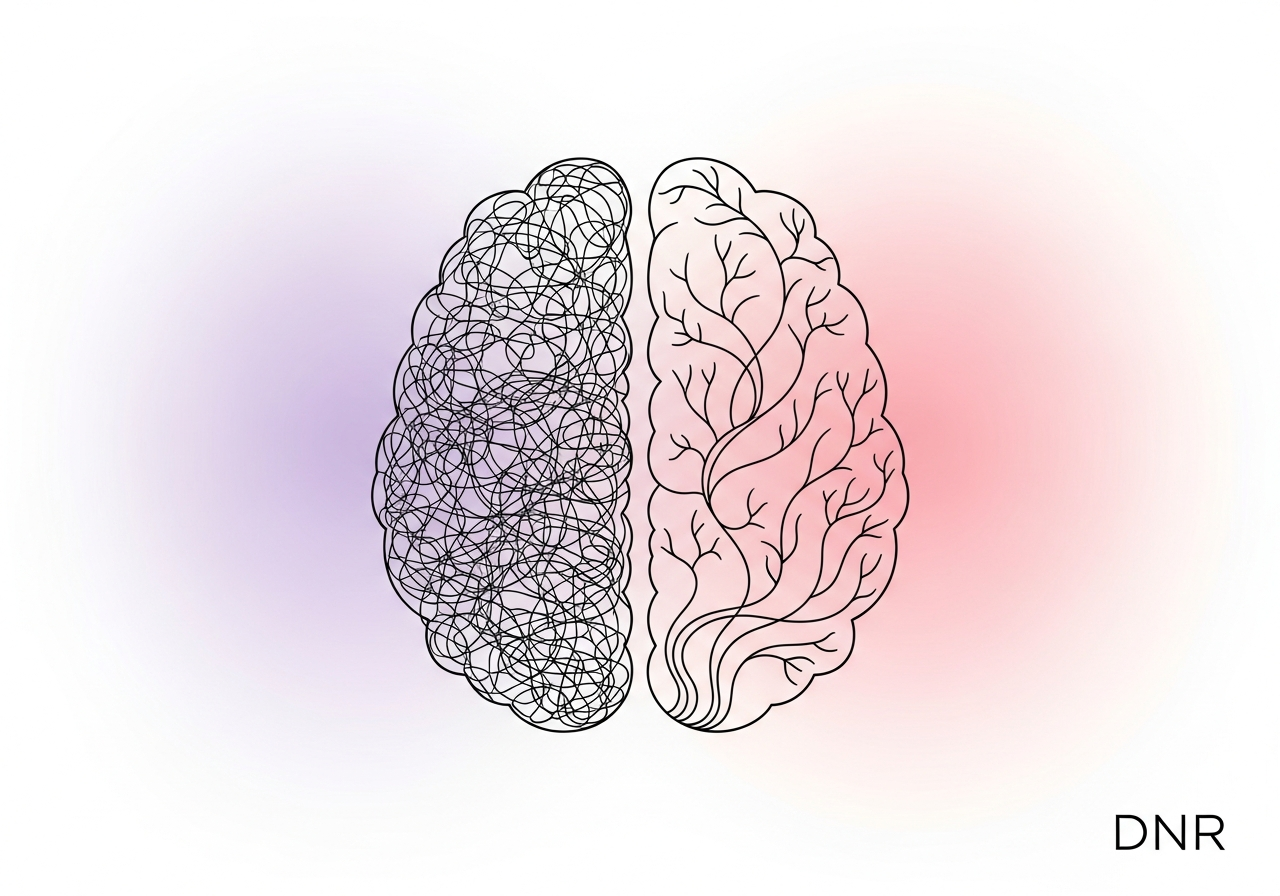
Cognitive Behavioral Techniques (CBT) are psychological strategies that focus on changing unhelpful thoughts and behaviors. Rooted in cognitive behavioral therapy, these techniques are designed to promote mental well-being by reshaping how we perceive and react to our experiences. By recognizing and altering negative thought patterns, individuals can cultivate positive behaviors and improve their overall quality of life.
Benefits of Cognitive Behavioral Techniques
Implementing cognitive behavioral techniques can lead to a multitude of benefits, including:
- Enhanced Emotional Regulation: Learn to manage your emotional responses more effectively.
- Reduced Anxiety and Depression: Identify and challenge negative thoughts that contribute to these conditions.
- Improved Problem-Solving Skills: Develop a constructive approach to overcoming challenges.
- Increased Self-Awareness: Foster a deeper understanding of personal triggers and patterns.
- Boosted Self-Esteem: Replace self-doubt with empowering beliefs.
Practical Tips for Implementing Cognitive Behavioral Techniques
Implementing CBT techniques into your daily life can be straightforward and beneficial. Here are some practical tips:
1. Identify Negative Thoughts
Start by keeping a journal to note down recurring negative thoughts. This will help you recognize patterns that may be affecting your mood and behavior.
2. Challenge Your Thoughts
Once you’ve identified negative thoughts, ask yourself:
- What evidence do I have that supports this thought?
- Is there evidence that contradicts it?
- What would I say to a friend who had this thought?
By challenging these thoughts, you can begin to shift your perspective.
3. Replace Negative Thoughts with Positive Alternatives
After challenging your negative thoughts, aim to replace them with more balanced or positive alternatives. For instance, instead of thinking, "I always fail," shift to, "I didn’t succeed this time, but I can learn from it and try again." This promotes a growth mindset.
4. Set Achievable Goals
Break down larger goals into smaller, manageable steps. This approach not only makes tasks less overwhelming but also provides a sense of accomplishment as you achieve each step.
5. Practice Mindfulness
Incorporate mindfulness practices such as meditation or deep-breathing exercises into your routine. These can help ground you in the present moment and reduce anxiety.
How to Get Started with Cognitive Behavioral Techniques
To effectively start using cognitive behavioral techniques, consider the following steps:
1. Seek Professional Guidance
If you feel overwhelmed, seeking the help of a licensed mental health professional trained in CBT can provide personalized support and tailored strategies.
2. Utilize CBT Resources
There are numerous resources available, including workbooks, apps, and online courses focused on CBT techniques. These can provide structured guidance and exercises.
3. Create a Supportive Environment
Surround yourself with supportive individuals who encourage your personal development journey. Sharing your goals and progress with trusted friends or family can enhance motivation.
4. Track Your Progress
Regularly assess your progress in applying cognitive behavioral techniques. Journaling your experiences can provide insights into what works best for you and where you may need to adjust your approach.
Conclusion
Cognitive behavioral techniques can be powerful tools for fostering personal development and enhancing mental wellness. By understanding your thoughts and behaviors and learning to reshape them, you can unlock your potential and lead a more fulfilling life. Embrace these techniques and empower yourself to make positive changes today.