What is Aromatherapy?
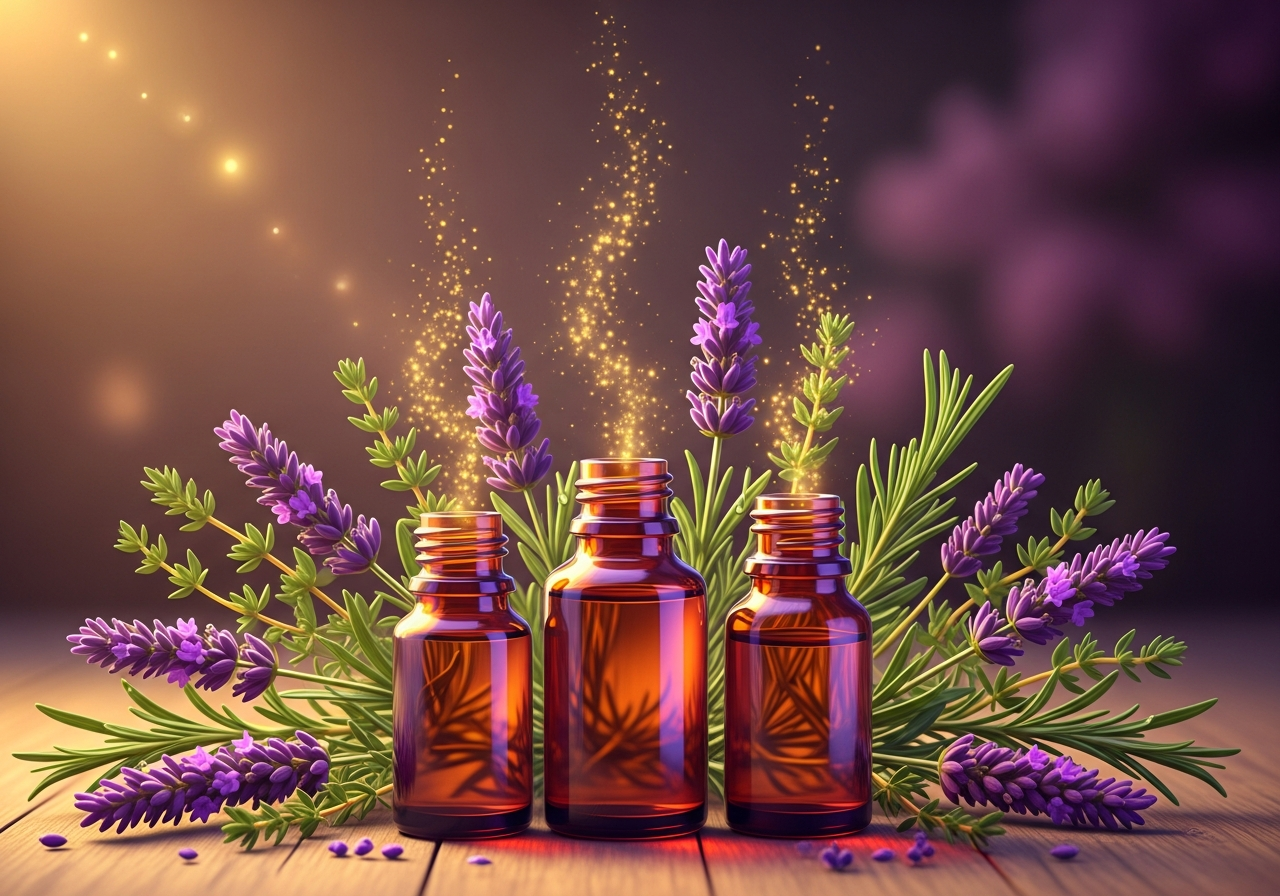
Aromatherapy is the therapeutic use of essential oils—concentrated plant extracts—to support physical, emotional, and mental wellbeing. The practice dates back thousands of years and is now supported by growing scientific research.
How Essential Oils Work
Inhalation
When inhaled, aromatic molecules travel to the olfactory bulb, which connects directly to the limbic system—the brain's emotional center. This explains aromatherapy's rapid effects on mood.
Topical Application
Applied to skin (properly diluted), essential oils absorb into the bloodstream and can provide localized or systemic benefits.
Key Essential Oils and Uses
Lavender
- Promotes relaxation and sleep
- Soothes skin irritation
- Reduces anxiety
Peppermint
- Boosts energy and focus
- Relieves headaches
- Supports digestion
Tea Tree
- Antimicrobial properties
- Supports skin health
- Natural cleaning
Eucalyptus
- Respiratory support
- Clears congestion
- Energizing
Frankincense
- Calming and grounding
- Supports meditation
- Skin rejuvenation
Safety Guidelines
- Always dilute: Use carrier oils for skin application
- Patch test: Check for sensitivity before full use
- Quality matters: Use pure, therapeutic-grade oils
- Research contraindications: Some oils aren't suitable during pregnancy or with certain conditions
- Keep away from eyes: And mucous membranes
Application Methods
- Diffusion: Use an electric diffuser for ambient aromatherapy
- Direct inhalation: From bottle or on tissue
- Massage: Diluted in carrier oil
- Bath: Added to bathwater with dispersant
- Compress: For localized issues
Aromatherapy Careers
Certified aromatherapists work in spas, wellness centers, hospitals, and private practice. Many combine aromatherapy with other modalities like massage or coaching. Explore our aromatherapy certification.