What is CBT?
Cognitive Behavioral Therapy (CBT) is one of the most researched and effective forms of psychotherapy. It's based on the principle that our thoughts, feelings, and behaviors are interconnected—and by changing one, we can influence the others.
The CBT Model
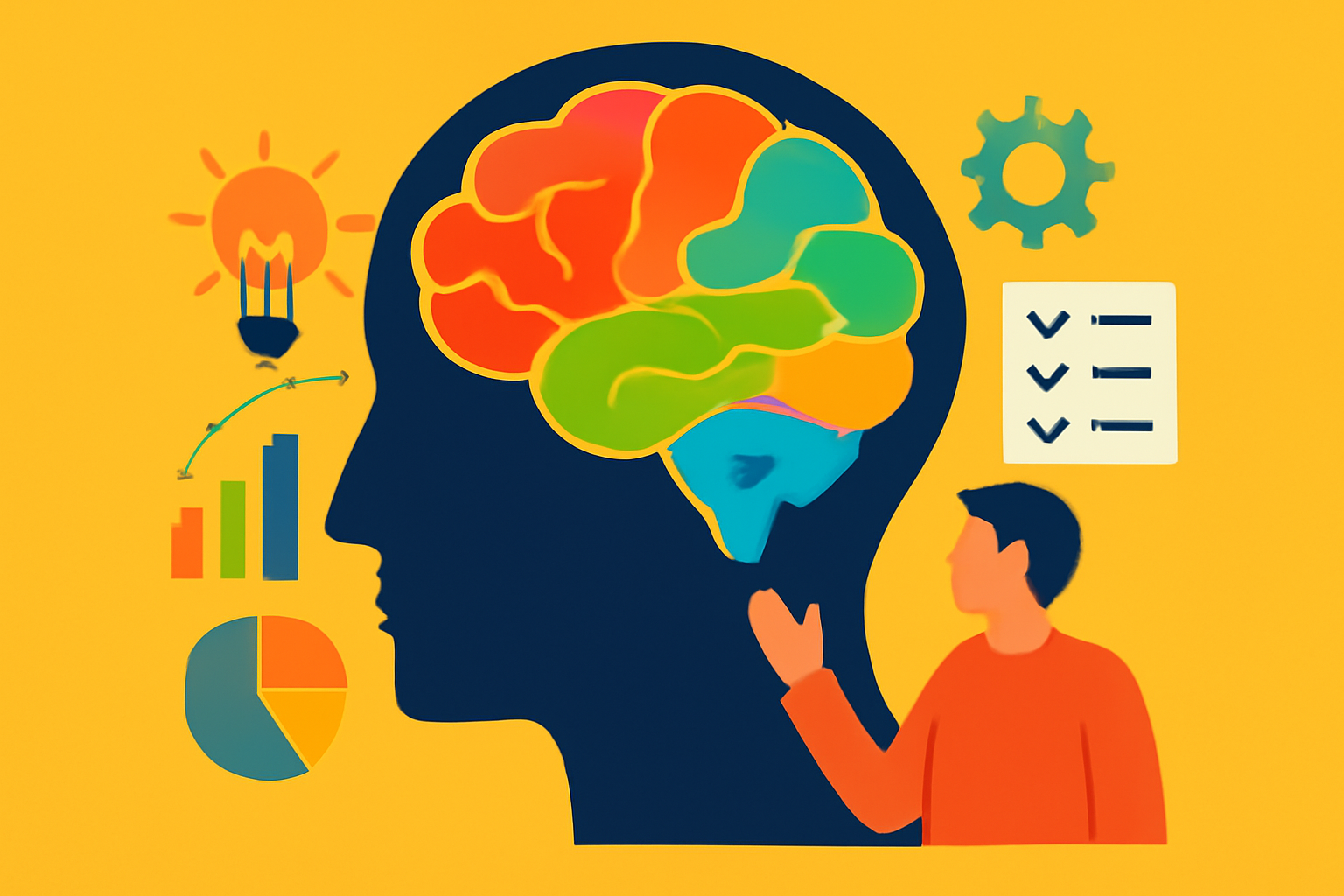
The cognitive model shows how situations trigger automatic thoughts, which lead to emotions and behaviors. CBT helps identify and modify unhelpful thought patterns.
Common Cognitive Distortions
- All-or-Nothing Thinking: Seeing things in black and white
- Catastrophizing: Assuming the worst will happen
- Mind Reading: Assuming you know what others think
- Emotional Reasoning: Believing feelings are facts
- Should Statements: Rigid rules about how things must be
- Personalization: Taking responsibility for everything
Core CBT Techniques
1. Thought Records
Track situations, automatic thoughts, emotions, and evidence for/against thoughts. This builds awareness and challenges distortions.
2. Behavioral Activation
Schedule pleasurable and meaningful activities to combat depression and build momentum.
3. Cognitive Restructuring
Examine evidence and develop more balanced, realistic thoughts to replace distorted ones.
4. Exposure Therapy
Gradually face feared situations to reduce anxiety and build confidence.
5. Problem-Solving
Structured approach to identifying problems and generating practical solutions.
CBT Effectiveness
Research shows CBT is highly effective for:
- Depression: 50-80% improvement rates
- Anxiety Disorders: Often as effective as medication
- PTSD: Recommended first-line treatment
- OCD: Significant symptom reduction
- Insomnia: CBT-I is the gold standard treatment
Self-Help CBT
Many CBT techniques can be practiced independently:
- Keep a daily thought diary
- Challenge negative thoughts with evidence
- Set small, achievable goals
- Practice relaxation techniques
- Use behavioral experiments to test beliefs
Professional Training
Our CBT Practitioner Training provides comprehensive education in applying CBT principles with clients. Learn practical protocols and real-world applications.