Understanding Anxiety
Anxiety is a natural response to stress, but when it becomes overwhelming, it can disrupt daily life. Many individuals experience anxiety in various forms, including generalized anxiety disorder, panic disorder, and social anxiety. Understanding your anxiety is the first step toward effective management.
Benefits of Anxiety Management
Effective anxiety management can lead to numerous benefits, including:
- Improved mental clarity
- Enhanced emotional resilience
- Better physical health
- Increased productivity and focus
- Stronger relationships with others
Practical Tips for Managing Anxiety
Managing anxiety often requires a multifaceted approach. Here are several practical strategies to help you regain a sense of calm:
1. Mindfulness and Meditation
Practicing mindfulness can help you stay grounded in the present moment. Techniques such as meditation, deep breathing, and progressive muscle relaxation can reduce anxiety symptoms significantly.
- Mindful Breathing: Spend a few minutes focusing on your breath. Inhale deeply through your nose, hold for a moment, and exhale slowly through your mouth.
- Guided Meditation: Use apps or online videos for guided meditation sessions that focus on relaxation and anxiety reduction.
2. Physical Activity
Regular exercise is one of the most effective ways to manage anxiety. Physical activity releases endorphins, which improve mood and reduce stress levels.
- Aerobic Exercise: Activities such as jogging, swimming, or cycling can help alleviate anxiety.
- Yoga: Combining physical movement with breath control and meditation, yoga is particularly effective for reducing anxiety.
3. Healthy Nutrition
Your diet plays a crucial role in your mental health. Eating a balanced diet rich in whole foods can help stabilize your mood and energy levels.
- Omega-3 Fatty Acids: Foods like salmon, walnuts, and flaxseeds are beneficial for brain health.
- Hydration: Staying hydrated is essential; even mild dehydration can impact mood and cognitive function.
4. Adequate Sleep
Sleep and anxiety are closely linked. Improving your sleep hygiene can significantly reduce anxiety symptoms.
- Establish a Routine: Go to bed and wake up at the same time every day.
- Limit Screen Time: Reduce exposure to screens at least an hour before bedtime.
5. Alternative Therapies
Consider exploring alternative therapies, which can complement traditional treatment options:
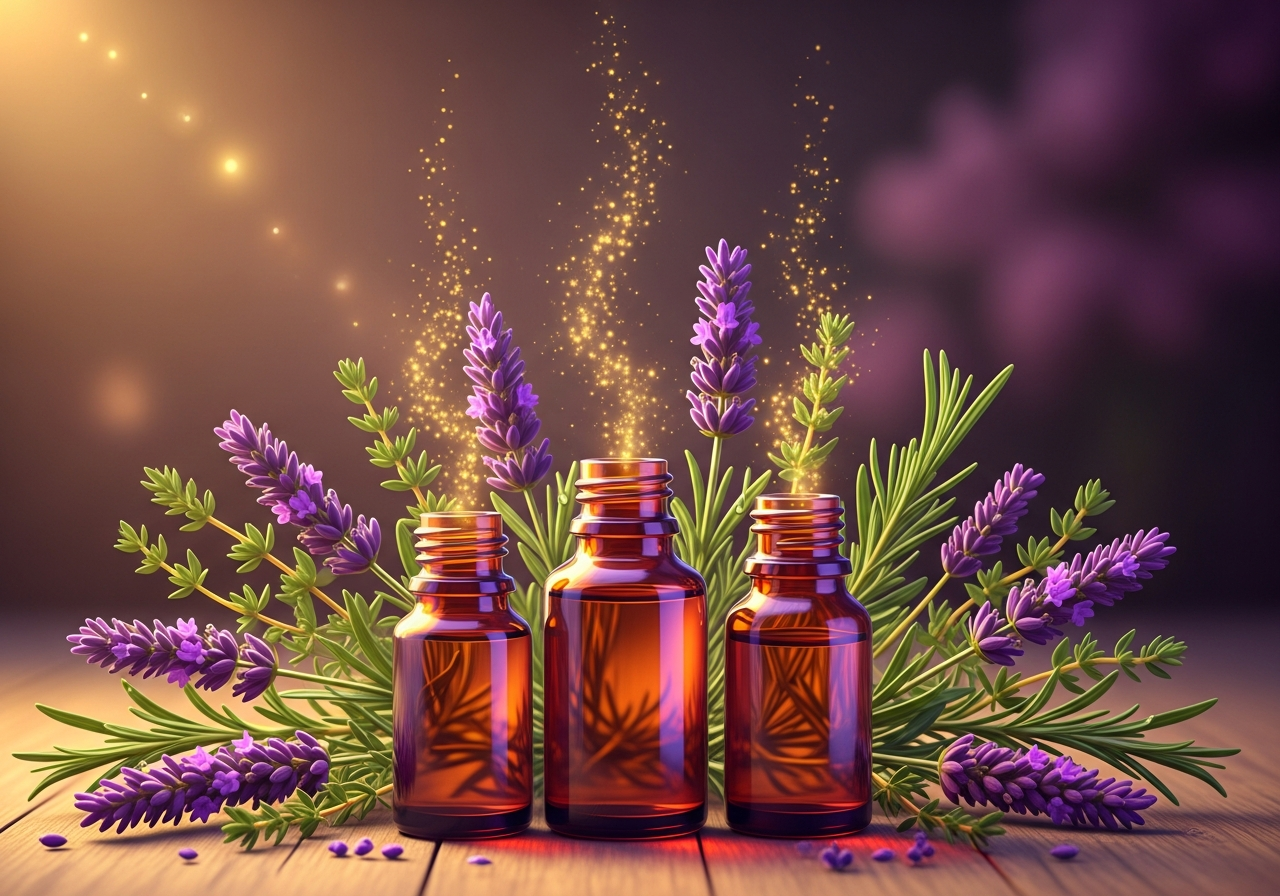
- Aromatherapy: Essential oils such as lavender and chamomile can promote relaxation and reduce anxiety.
- Acupuncture: This traditional Chinese medicine practice can help balance the body's energy and reduce anxiety symptoms.
How to Implement These Strategies
Integrating these strategies into your daily life doesn't have to be overwhelming. Start small:
- Choose One or Two Techniques: Focus on incorporating mindfulness and exercise into your week before expanding to other strategies.
- Set Realistic Goals: Establish achievable goals, such as practicing meditation for 5 minutes each day or exercising three times a week.
Conclusion
Anxiety management is a personal journey that may require a combination of techniques and therapies. As you explore these strategies, remember that it’s important to listen to your body and mind. If anxiety continues to interfere with your daily life, consider seeking professional help from a mental health provider. With the right tools and support, you can regain control and lead a balanced, fulfilling life.