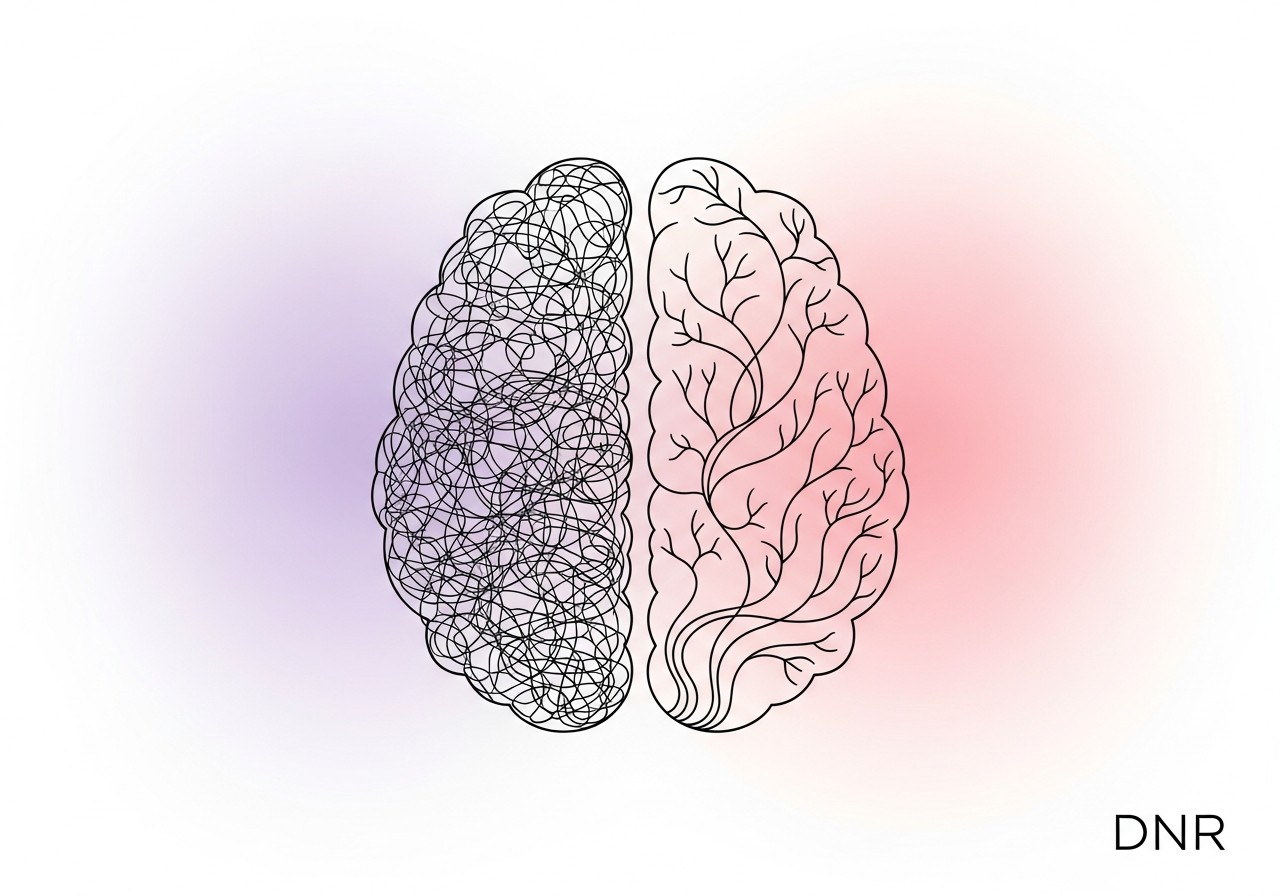
Understanding Anxiety: A Brief Overview
Anxiety is a natural response to stress, characterized by feelings of worry or fear. While it can be an adaptive response, excessive anxiety can interfere with daily activities and overall quality of life. It’s essential to recognize when anxiety becomes a barrier and to implement effective management techniques to regain control.
Why Manage Anxiety?
Managing anxiety effectively can lead to numerous benefits, including:
- Improved mental clarity and focus
- Enhanced emotional well-being
- Better physical health
- Stronger interpersonal relationships
- Increased resilience to life’s challenges
Practical Tips for Effective Anxiety Management
1. Mindfulness and Meditation
Practicing mindfulness involves being present in the moment without judgment. Techniques like meditation help cultivate a sense of calm and clarity. Start with just 5-10 minutes a day, focusing on your breath and letting go of intrusive thoughts.
2. Regular Physical Activity
Exercise is a powerful tool for managing anxiety. Engaging in regular physical activity releases endorphins, which are natural mood lifters. Aim for at least 30 minutes of moderate exercise most days of the week. Activities like walking, yoga, or dancing are excellent options.
3. Healthy Eating Habits
Your diet plays a crucial role in overall mental health. Incorporating whole foods, such as fruits, vegetables, whole grains, and lean proteins, can stabilize mood. Be mindful of excessive caffeine and sugar, which can exacerbate anxiety symptoms.
4. Establishing a Routine
Creating a structured daily routine can provide a sense of stability and predictability, which may help reduce anxiety. Try to plan your day with regular meal times, exercise, and relaxation periods.
5. Deep Breathing Exercises
Deep breathing can significantly alleviate anxiety in the moment. Practice the 4-7-8 technique: inhale for 4 seconds, hold for 7 seconds, and exhale for 8 seconds. Repeat this cycle until you feel a sense of calm.
6. Connect with Others
Sharing your feelings with trusted friends or family members can lessen the burden of anxiety. Building a support network allows for open discussions about your experiences and feelings, providing comfort and reassurance.
Identifying Triggers and Seeking Professional Help
Understanding your anxiety triggers is crucial for effective management. Keep a journal to note situations that provoke anxious feelings. If anxiety persists or escalates, consider seeking help from a mental health professional. Therapy options, such as cognitive-behavioral therapy (CBT) or exposure therapy, can be highly effective.
Incorporating Relaxation Techniques
In addition to the tips above, explore various relaxation techniques such as:
- Progressive muscle relaxation
- Guided imagery
- Art or music therapy
These methods can help create a mental space free from anxiety, promoting peace and tranquility.
Conclusion: A Journey Towards Calm
Managing anxiety is a personal journey that requires patience and persistence. By implementing these strategies and seeking support when necessary, you can cultivate a sense of calm and resilience. Remember, anxiety doesn’t have to control your life—empower yourself with the tools to navigate it effectively.