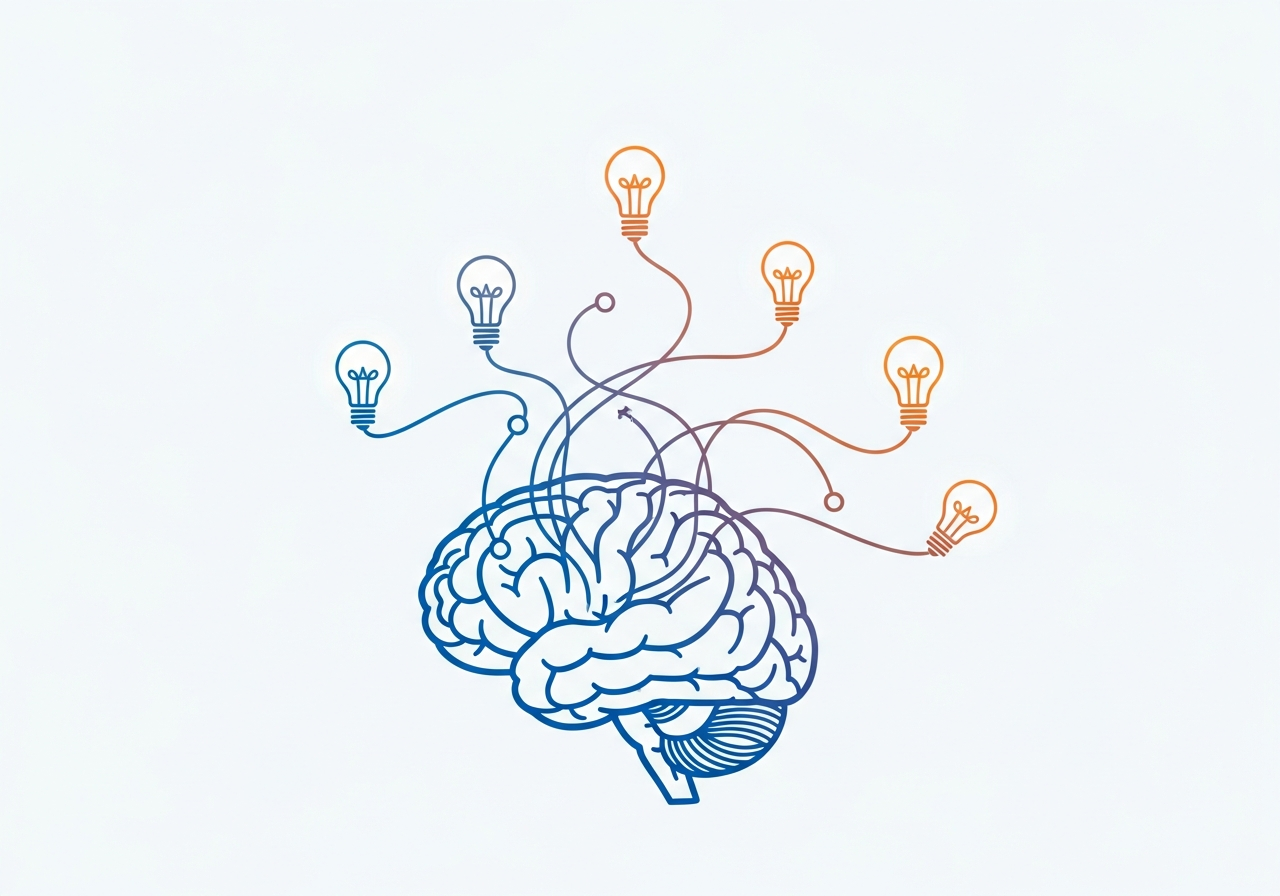
Understanding Cognitive Behavioral Techniques
Cognitive Behavioral Techniques (CBT) are powerful strategies grounded in psychology that aim to change patterns of thinking or behavior that are causing people's problems. By identifying and challenging negative thoughts, individuals can develop healthier perspectives and coping mechanisms. This article delves into practical applications of CBT, focusing on their benefits and offering you actionable steps to incorporate these techniques into your daily life.
Benefits of Cognitive Behavioral Techniques
- Improved Mental Health: CBT can help alleviate symptoms of anxiety, depression, and stress, fostering a more positive mental state.
- Enhanced Problem-Solving Skills: CBT encourages individuals to approach challenges with a constructive mindset, leading to better problem resolution.
- Greater Emotional Regulation: By recognizing and altering negative thought patterns, individuals can manage their emotions more effectively.
- Sustained Personal Growth: The skills learned through CBT promote ongoing self-improvement and resilience in the face of adversity.
Practical Tips for Using Cognitive Behavioral Techniques
1. Identify Negative Thought Patterns
The first step in using CBT is to recognize negative thoughts that contribute to emotional distress. Keep a journal to track your thoughts throughout the day. Ask yourself:
- What triggered this thought?
- Is this thought based on fact or assumption?
- What evidence supports or contradicts this thought?
2. Challenge Your Thoughts
Once you’ve identified negative thought patterns, challenge their validity. For each negative thought, write down a counter-statement that reflects a more balanced perspective. For example:
- Negative Thought: "I always fail at my goals." Counter-Statement: "I have succeeded at my goals before, and I can learn from my failures. I can try again with a new strategy."
3. Practice Behavioral Activation
Behavioral activation involves engaging in activities that are aligned with your values and interests, which can counteract feelings of depression or lethargy. Create a list of activities that bring you joy or fulfillment and schedule time to engage in them. Start small, and gradually increase your engagement.
4. Use the ABC Model
The ABC Model is a key component of CBT that helps individuals understand the connection between their thoughts, feelings, and behaviors:
- A: Activating Event — Identify the event that triggered your thought.
- B: Belief — Acknowledge the belief you hold about the event.
- C: Consequence — Observe the emotional and behavioral consequences of your belief.
By understanding this model, you can begin to reframe your thoughts and alter your reactions.
5. Implement Mindfulness Techniques
Mindfulness complements CBT by enhancing awareness of the present moment and reducing rumination. Practice mindfulness through meditation, deep breathing, or simply being present in your daily activities. This can help you notice negative thoughts without judgment and prevent them from influencing your emotions.
How to Get Started with Cognitive Behavioral Techniques
To effectively integrate cognitive behavioral techniques into your life, consider the following steps:
- Seek Professional Guidance: A trained therapist can provide tailored strategies and support your journey.
- Set Realistic Goals: Start with small, achievable goals to build confidence and momentum.
- Be Patient: Change takes time. Be gentle with yourself and recognize that setbacks are part of the learning process.
- Monitor Progress: Regularly review your thoughts, feelings, and behaviors to assess your growth and adjust your strategies as needed.
Conclusion
Cognitive behavioral techniques offer valuable tools for personal growth and emotional well-being. By actively challenging negative thoughts, engaging in meaningful activities, and practicing mindfulness, you can foster resilience and create a healthier mindset. Whether you choose to embark on this journey independently or with professional support, remember that the path to wellness is a continuous process of learning and self-discovery.