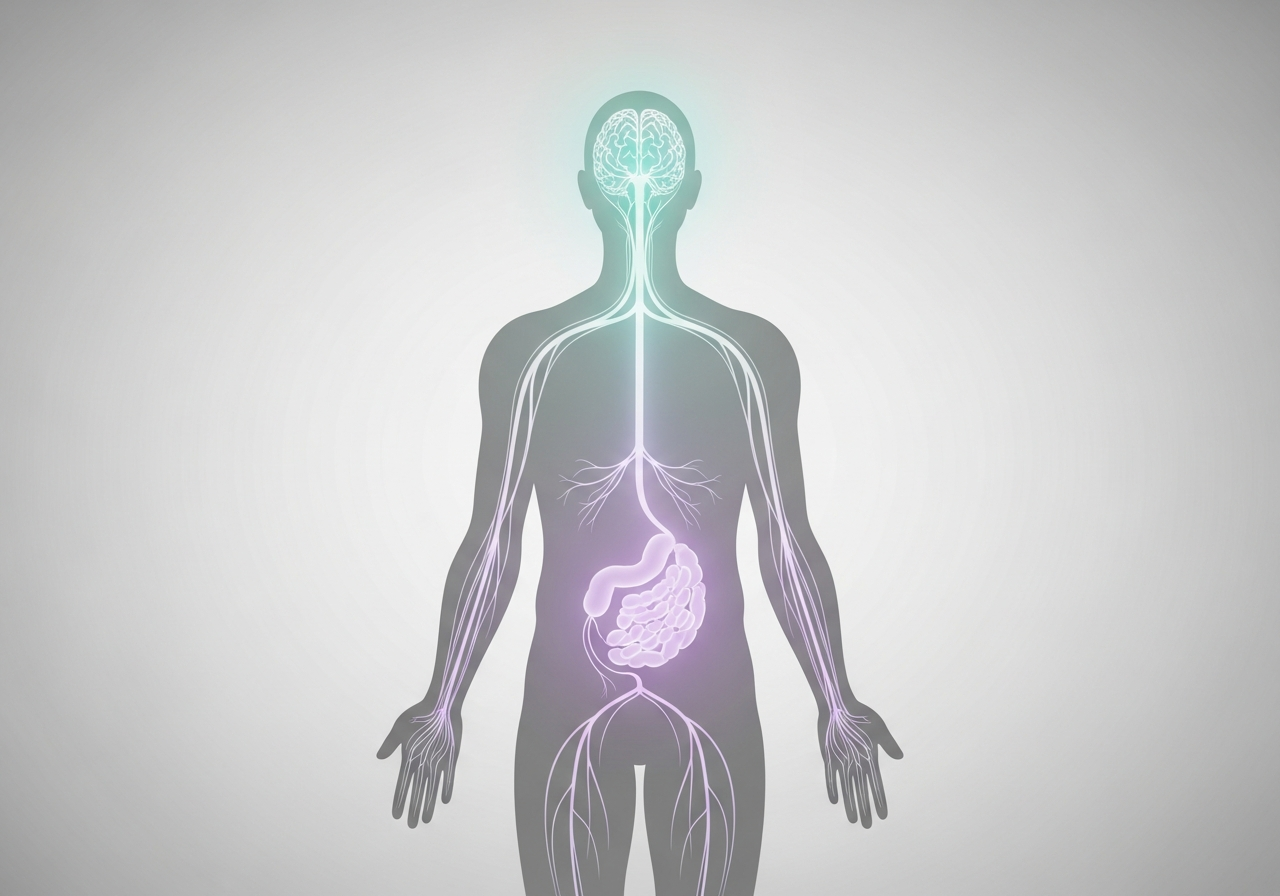
Understanding Holistic Health
Holistic health is a comprehensive approach to wellness that considers the whole person—mind, body, and spirit. Unlike conventional medicine, which often focuses on treating specific symptoms, holistic health aims to identify the root causes of issues and promote overall wellbeing. By integrating various practices, holistic health can lead to profound, sustainable changes in one’s life.
The Core Principles of Holistic Health
Holistic health is founded on several key principles:
- Interconnectedness: Recognizing that emotional, physical, and spiritual health are interlinked.
- Prevention over Treatment: Focusing on preventive measures rather than just treating symptoms.
- Empowerment: Encouraging individuals to take charge of their own health.
- Individualized Care: Tailoring approaches to fit the unique needs of each person.
Benefits of Holistic Health Approaches
Incorporating holistic health approaches can yield numerous benefits, including:
- Enhanced Emotional Wellbeing: Practices such as mindfulness and meditation can help reduce stress and anxiety.
- Improved Physical Health: A focus on nutrition and physical activity can lead to better overall health outcomes.
- Greater Life Satisfaction: By nurturing all aspects of health, individuals often report increased happiness and fulfillment.
- Stronger Resilience: Holistic techniques can foster a greater ability to cope with life's challenges.
Practical Tips to Implement Holistic Health Approaches
If you're looking to adopt holistic health methods into your daily routine, consider the following practical tips:
1. Mindfulness and Meditation
Set aside time each day for mindfulness or meditation. Begin with just five to ten minutes to clear your mind and focus on your breath. Over time, gradually increase this duration as you become more comfortable with the practice.
2. Balanced Nutrition
Conscious eating is a cornerstone of holistic health. Aim to incorporate a variety of whole foods into your diet, including fruits, vegetables, whole grains, and lean proteins. Consider meal planning to ensure you have nutritious options readily available.
3. Regular Physical Activity
Engage in physical activities that you enjoy. This could include walking, yoga, dancing, or cycling. Aim for at least 30 minutes of moderate exercise most days. Remember, the goal is to find movement that feels good to you!
4. Limit Toxic Influences
Evaluate your environment and relationships. Minimizing exposure to negativity—whether from social media, news, or harmful relationships—can enhance your mental clarity and emotional health.
5. Seek Out Natural Therapies
Explore alternative therapies such as acupuncture, aromatherapy, or herbal medicine. These can complement traditional medical treatments and offer additional support for your overall health.
Integrating Holistic Approaches into Your Life
Integrating holistic health practices into your daily life can begin with small, manageable changes. Start by assessing various areas of your lifestyle and identify which aspects need attention. Remember, holistic health is not a one-size-fits-all solution; it requires personal introspection and adjustments.
Consider keeping a journal to track your feelings, dietary choices, and physical activities. This can help you recognize patterns and see the positive changes over time. Additionally, seeking support from professionals trained in holistic health can further enhance your journey.
Conclusion
Holistic health approaches offer a pathway not only to physical wellness but also to emotional and spiritual fulfillment. By embracing these comprehensive practices, you can cultivate a balanced and enriched life. As you embark on this journey, be patient with yourself and appreciate the gradual transformation towards optimal wellbeing.