Understanding Emotional Healing
Emotional healing is the process of addressing and overcoming emotional pain, trauma, and distress. It involves acknowledging feelings, expressing them, and fostering resilience to cultivate a healthier emotional state. Whether stemming from loss, relationship issues, or past traumas, emotional wounds can significantly impact our mental and physical well-being.
Why is Emotional Healing Important?
Emotional healing is crucial for several reasons:
- Improved Mental Health: Healing emotional wounds can reduce anxiety and depression.
- Enhanced Relationships: Addressing underlying issues fosters healthier connections with others.
- Increased Resilience: Overcoming emotional challenges can build resilience against future adversities.
- Physical Health Benefits: Emotional well-being is closely linked to physical health, influencing everything from immune function to heart health.
Practical Tips for Emotional Healing
Embarking on the path of emotional healing requires deliberate actions and self-compassion. Here are some practical tips to guide you:
1. Acknowledge Your Feelings
The first step in emotional healing is acknowledging your feelings. It’s essential to recognize and accept what you’re feeling without judgment. Journaling can be a helpful tool to articulate your thoughts and emotions.
2. Seek Professional Support
Consider reaching out to a therapist or counselor. Professional guidance can provide you with tailored strategies and support to navigate your emotional landscape effectively.
3. Practice Mindfulness and Meditation
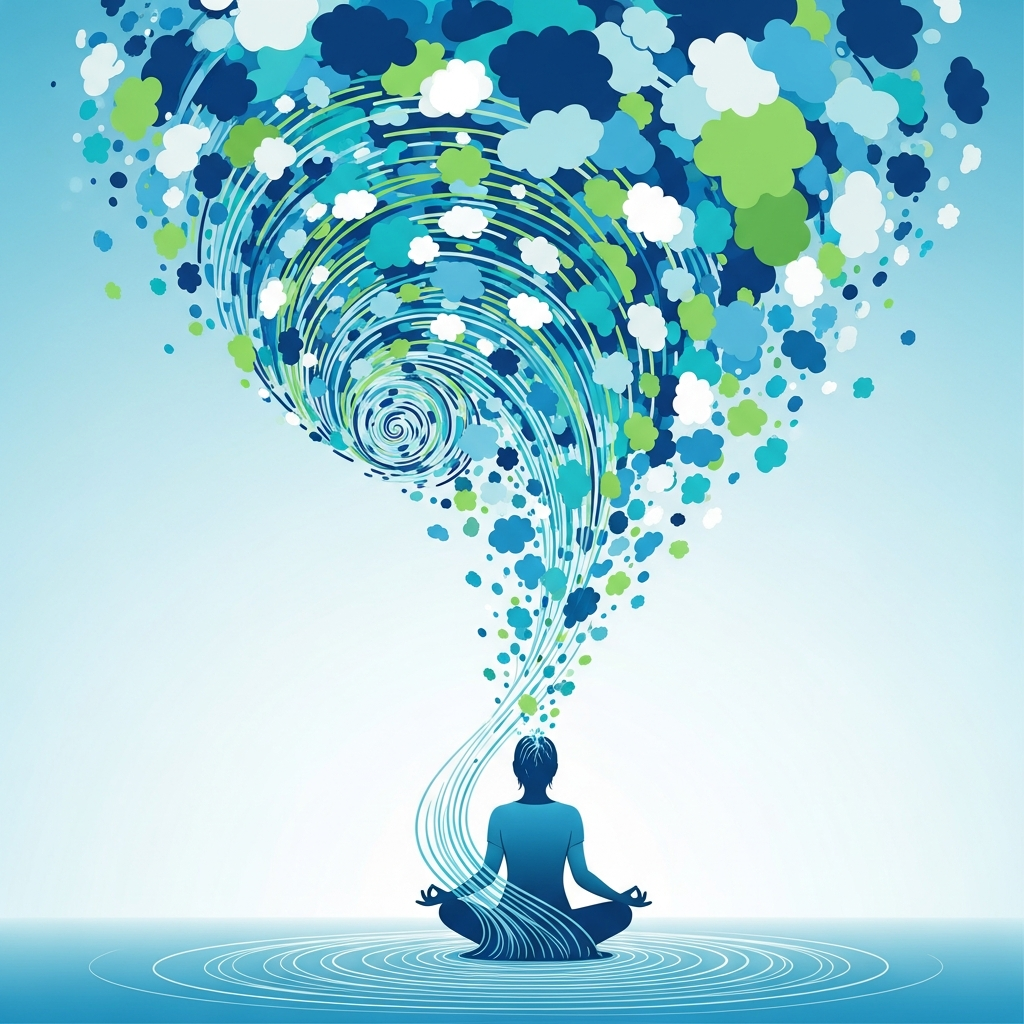
Mindfulness practices, such as meditation and deep breathing exercises, can help ground you in the present and reduce emotional distress. These practices encourage self-awareness and promote emotional regulation.
4. Build a Support Network
Surround yourself with supportive friends and family. Having a solid support network allows for sharing experiences and feelings, facilitating emotional healing through connection.
5. Engage in Creative Expression
Artistic outlets like painting, writing, or music can serve as powerful tools for emotional release. Creative expression allows you to convey emotions that may be difficult to articulate verbally.
6. Prioritize Self-Care
Engage in activities that promote overall well-being. This could include regular exercise, healthy eating, adequate sleep, and engaging in hobbies you love. Self-care helps nurture your emotional health and restore balance.
How to Incorporate Emotional Healing into Your Daily Life
Integrating emotional healing practices into your daily routine can foster long-term resilience and well-being:
- Set Aside Time for Reflection: Dedicate time each day for self-reflection. This could be through journaling, meditation, or simply quiet contemplation.
- Establish Healthy Boundaries: Protect your emotional space by setting boundaries in your relationships, allowing you to focus on your healing.
- Practice Gratitude: Cultivate a gratitude practice by noting things you’re thankful for each day. This can shift your focus from negativity to positivity.
- Stay Open to Growth: Embrace the idea that healing is a journey. Be patient and compassionate with yourself as you navigate your emotions.
Conclusion
Emotional healing is a vital aspect of overall wellness that plays a significant role in enhancing your quality of life. By acknowledging your feelings, seeking support, and integrating healing practices into your daily routine, you can foster a deeper connection to yourself and others. Remember that healing is a journey, not a destination; allow yourself the grace to grow and transform.