Understanding Self-Care
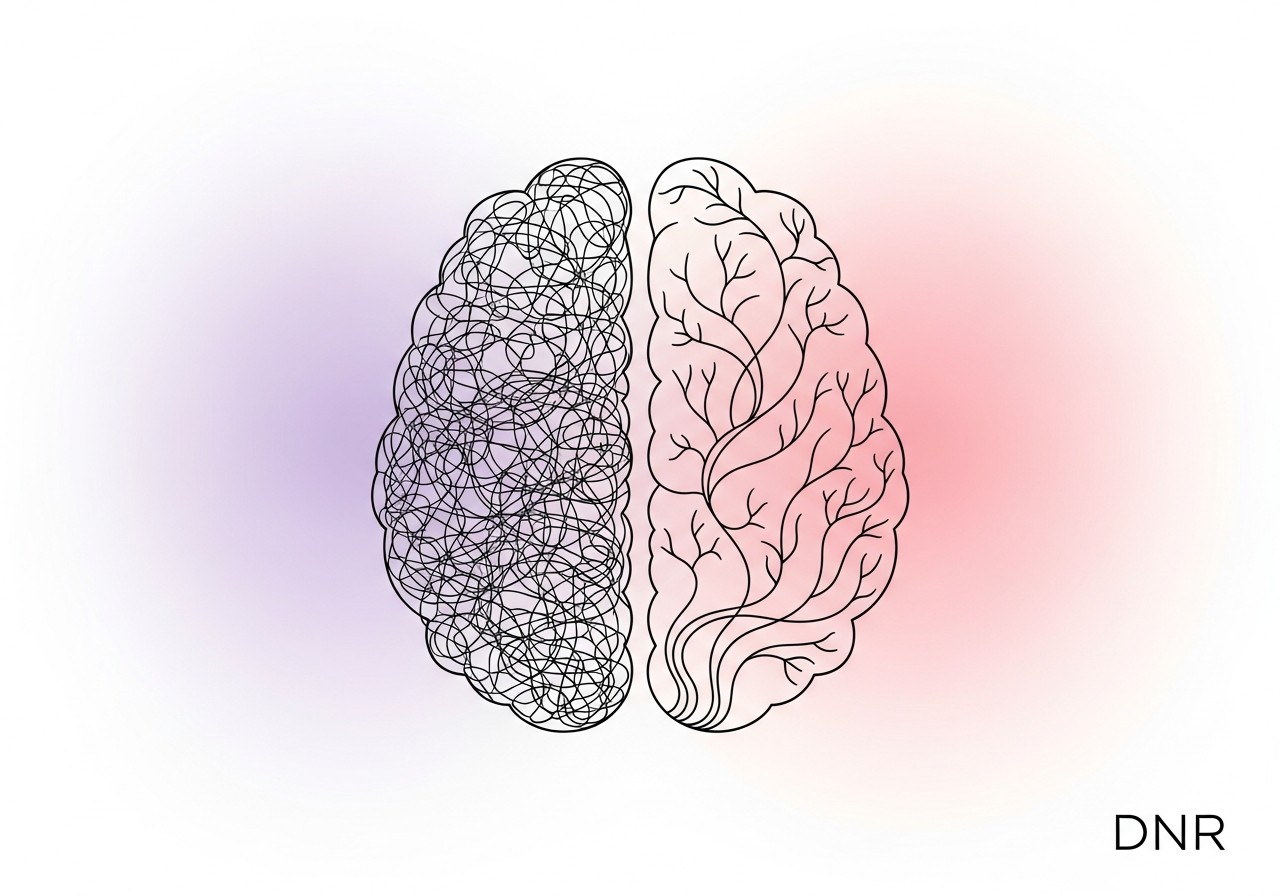
Self-care refers to the deliberate activities and practices that promote physical, mental, and emotional well-being. In today’s fast-paced world, prioritizing self-care is essential for maintaining a healthy balance and preventing burnout. By integrating self-care routines into your daily life, you can enhance your resilience and overall happiness.
Benefits of Self-Care Routines
Implementing self-care routines comes with numerous benefits, including:
- Improved Mental Health: Regular self-care can help reduce symptoms of anxiety and depression.
- Enhanced Physical Health: Activities like exercise and proper nutrition boost physical health and increase energy levels.
- Better Stress Management: Self-care practices provide effective strategies to manage stress.
- Increased Productivity: Taking time for yourself enhances focus and boosts creativity.
- Strengthened Relationships: Prioritizing self-care allows you to be more present and engaged with loved ones.
How to Create Your Self-Care Routine
Building a personalized self-care routine involves understanding your needs and preferences. Here are some practical steps to get you started:
1. Assess Your Needs
Take a moment to reflect on various aspects of your life. Consider the following:
- Emotional: Are there areas where you feel overwhelmed?
- Physical: What activities help you feel energized?
- Social: How do you feel about your current relationships?
2. Choose Activities You Enjoy
Select self-care activities that resonate with you. Here are some ideas:
- Exercise: Yoga, running, or dancing can be great ways to stay active.
- Meditation: Spend a few minutes each day to center yourself.
- Journaling: Write down your thoughts and feelings to gain clarity.
- Creative Hobbies: Engage in painting, knitting, or any creative outlet.
- Nature Walks: Spend time outdoors to rejuvenate your spirit.
3. Schedule Your Self-Care
Just like any important appointment, schedule your self-care activities. Set aside time in your calendar and treat them as non-negotiable.
4. Start Small
Incorporate small changes into your daily routine. For example:
- Take a 5-minute break to stretch during work.
- Disconnect from electronic devices for 30 minutes before bed.
5. Evaluate and Adjust
Regularly assess the effectiveness of your self-care routine. Are you feeling more relaxed? Are your activities still enjoyable? Be flexible and willing to adjust your routine as needed.
Practical Tips for Maintaining Your Self-Care Routine
Here are some additional tips to help maintain your self-care routine:
- Set Realistic Goals: Start with achievable goals to avoid feelings of overwhelm.
- Involve Others: Share your self-care goals with friends or family who can help keep you accountable.
- Be Kind to Yourself: Remember that self-care is about nurturing yourself, not adding more stress.
- Limit Negative Influences: Identify sources of negativity in your life and take steps to minimize them.
Conclusion
Incorporating self-care routines into your life is vital for mental, emotional, and physical well-being. By understanding your needs, selecting enjoyable activities, and committing to regular practice, you can enhance your quality of life. Remember, self-care is not a luxury; it’s a necessity for a healthy, balanced life.