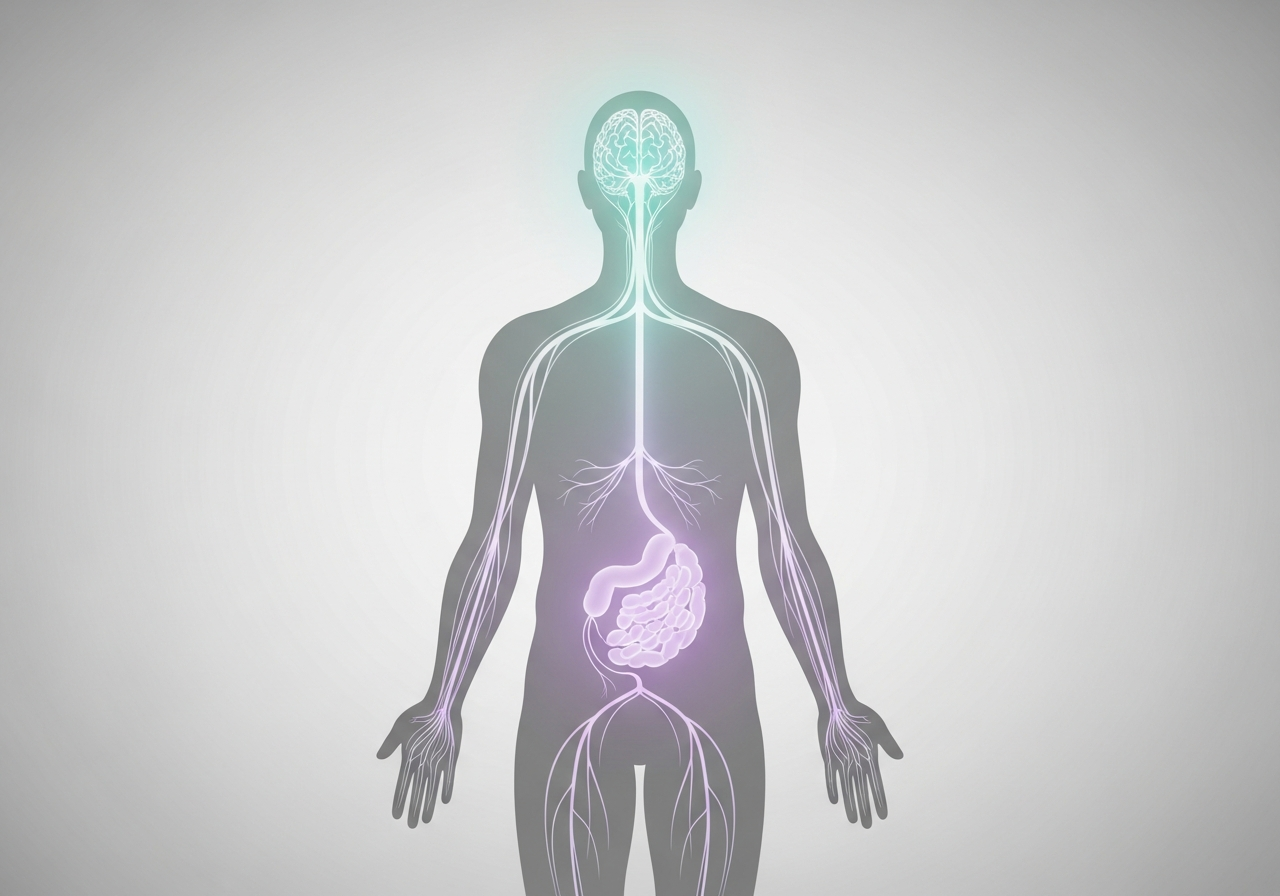
Introduction to Holistic Health Approaches
In today's fast-paced world, achieving optimal health goes beyond traditional medicine; it encompasses a holistic view that nurtures the mind, body, and spirit. Holistic health approaches recognize the interconnectedness of these elements and advocate for a balanced lifestyle that fosters overall wellness.
What is Holistic Health?
Holistic health is a philosophy that promotes a comprehensive examination of health, understanding that physical, emotional, social, and spiritual factors play crucial roles in an individual's well-being. Unlike conventional medicine, which often focuses on treating specific symptoms, holistic health aims to identify and address underlying causes.
Principles of Holistic Health
- Whole-Person Care: Treating the individual as a whole, considering all aspects of health.
- Prevention Focus: Emphasizing preventative measures to promote well-being.
- Balance: Encouraging equilibrium among mental, emotional, physical, and spiritual health.
- Self-Responsibility: Inspiring individuals to take an active role in their health journey.
Benefits of Holistic Health Approaches
Adopting holistic health approaches can lead to numerous benefits, including:
- Improved Mental Health: Techniques such as mindfulness and meditation can reduce stress and anxiety.
- Physical Wellness: Holistic practices can enhance physical fitness and boost immunity.
- Enhanced Emotional Resilience: Fosters emotional intelligence and strengthens coping mechanisms.
- Greater Life Satisfaction: Encourages a positive mindset and purpose-driven living.
Practical Tips for Integrating Holistic Health Approaches
Incorporating holistic health principles into your daily life can be straightforward. Here are some practical tips to get you started:
1. Mindfulness and Meditation
Practice mindfulness through daily meditation or breathwork to increase your awareness and decrease stress. Start with just five minutes each day and gradually increase the duration.
2. Balanced Nutrition
Focus on whole foods that nourish your body. Include a variety of fruits, vegetables, whole grains, and lean proteins. Consider adopting practices like meal prepping to maintain balance throughout your week.
3. Physical Activity
Engage in regular physical activity that you enjoy, whether it’s yoga, walking, dancing, or any form of exercise. Aim for at least 30 minutes a day, five days a week.
4. Connect with Nature
Spend time outdoors to improve your mood and mental clarity. Whether it’s a walk in the park or gardening, connecting with nature can enhance your overall happiness.
5. Build a Supportive Community
Surround yourself with individuals who share similar holistic health goals. Join workshops, support groups, or online forums that focus on wellness and personal growth.
6. Spiritual Practices
Incorporate spiritual practices that resonate with you. This could include prayer, meditation, mindfulness, or exploring philosophical teachings that foster personal growth.
Creating Your Holistic Health Plan
To create a personalized holistic health plan, assess where you currently stand in your health journey. Consider the following steps:
- Self-Assessment: Reflect on your physical, mental, emotional, and spiritual health.
- Set Goals: Identify specific, measurable, and achievable goals for each area of your health.
- Track Progress: Keep a journal or use apps to monitor your progress regularly.
- Adjust as Necessary: Be open to modifying your plan based on what works and what doesn’t.
Conclusion
Holistic health approaches offer a comprehensive pathway towards achieving a balanced and fulfilling life. By embracing the principles of whole-person care and incorporating practical tips into your daily routine, you can enhance your well-being and cultivate a life of health and happiness. Start your journey today towards a more holistic approach to health!