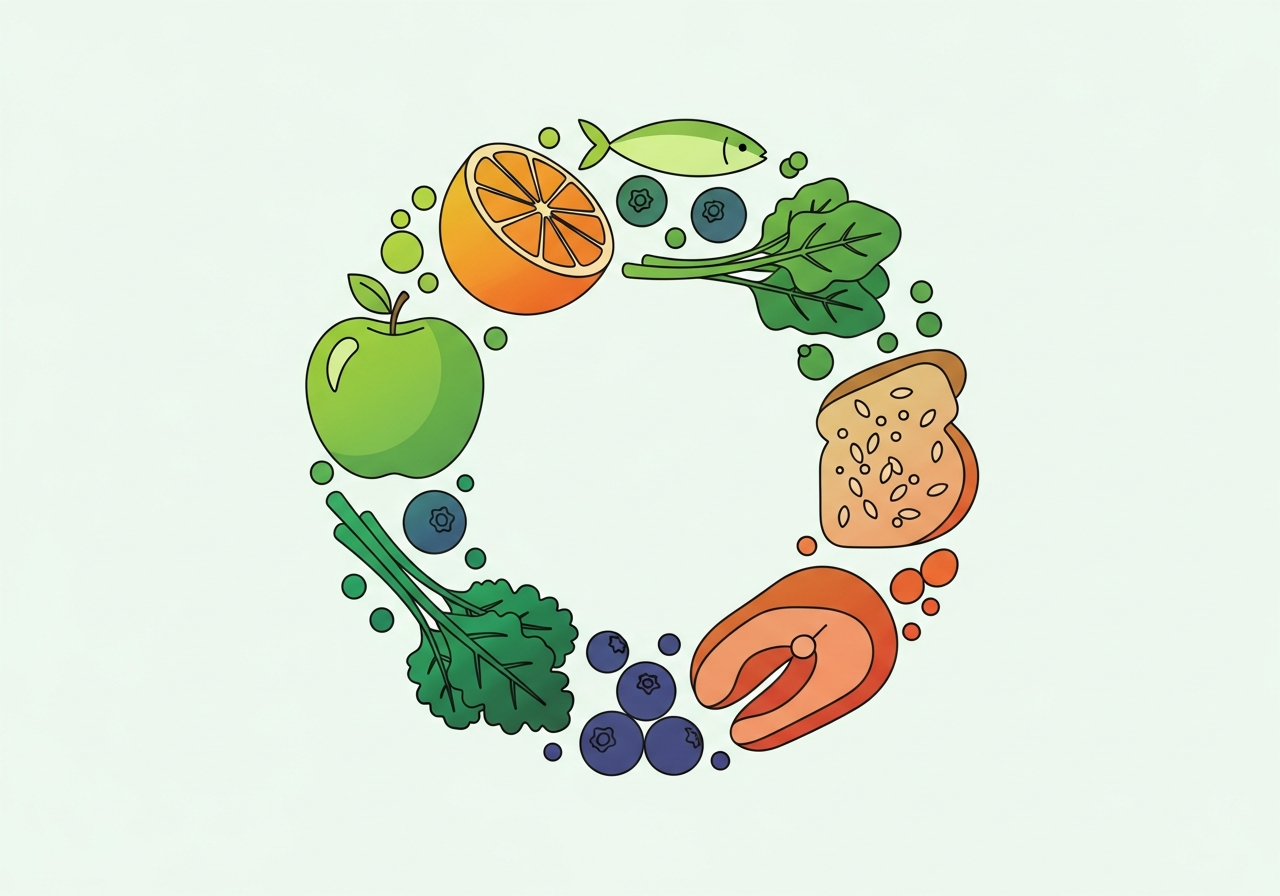
Understanding Holistic Health
Holistic health is an approach that considers the whole person, emphasizing the interconnectedness of mind, body, and spirit. Unlike traditional medical practices that often focus on treating symptoms, holistic health aims to identify the root causes of health issues and promotes overall well-being. This comprehensive perspective encourages individuals to take an active role in their health journey.
The Key Principles of Holistic Health
- Integration: Acknowledging the connection between physical, mental, emotional, and spiritual health.
- Prevention: Prioritizing preventive measures to maintain health rather than solely treating illness.
- Empowerment: Encouraging individuals to take responsibility for their health and lifestyle choices.
- Personalization: Recognizing that each person is unique and may require different approaches to health and healing.
Benefits of Holistic Health Approaches
Adopting a holistic health approach can lead to numerous benefits, including:
- Improved Overall Health: By addressing multiple facets of well-being, individuals often experience better physical health.
- Enhanced Mental Clarity: Practices such as mindfulness and meditation can reduce stress and improve focus.
- Emotional Balance: Holistic approaches promote emotional resilience and stability.
- Stronger Immune System: A balanced lifestyle supports immune function and reduces the risk of illness.
- Increased Energy Levels: A holistic lifestyle promotes vitality and reduces fatigue.
Practical Tips for Incorporating Holistic Health Approaches
Integrating holistic health practices into your daily routine doesn’t have to be overwhelming. Here are some practical tips to get you started:
1. Mindfulness and Meditation
Begin with just a few minutes each day to practice mindfulness or meditation. Focus on your breath, and let go of distractions. Gradually increase the duration as you become more comfortable.
2. Nutritional Balance
Adopt a whole-foods diet rich in fruits, vegetables, whole grains, and lean proteins. Consider consulting with a nutritionist who specializes in holistic health to create a personalized meal plan.
3. Physical Activity
Engage in regular physical activity that you enjoy, whether it’s yoga, walking, dancing, or any other form of exercise. Aim for at least 150 minutes of moderate aerobic activity each week.
4. Herbal Remedies
Explore the use of herbal supplements and natural remedies. Always consult with a healthcare professional before starting any new supplements to ensure they are safe and effective for your individual needs.
5. Connect with Nature
Spend time outdoors to enhance your mental and emotional well-being. Nature walks, gardening, or simply sitting in a park can help rejuvenate your spirit.
How to Get Started with Holistic Health
Embarking on a holistic health journey is a personal choice. Here’s how to begin:
- Assess Your Current State: Reflect on your physical, emotional, and spiritual health to identify areas for improvement.
- Set Intentions: Establish clear intentions for your holistic health journey. What are your goals?
- Start Small: Implement one or two new practices at a time, gradually building up your routine.
- Seek Support: Consider working with holistic health practitioners, such as naturopaths, nutritionists, or wellness coaches, who can guide you.
Conclusion
Holistic health approaches offer a comprehensive path to well-being that transcends physical symptoms. By integrating practices that nurture your mind, body, and spirit, you can achieve a more balanced, healthier life. Start today by embracing simple changes, and remember that every step toward holistic wellness is a step toward a more fulfilling life.