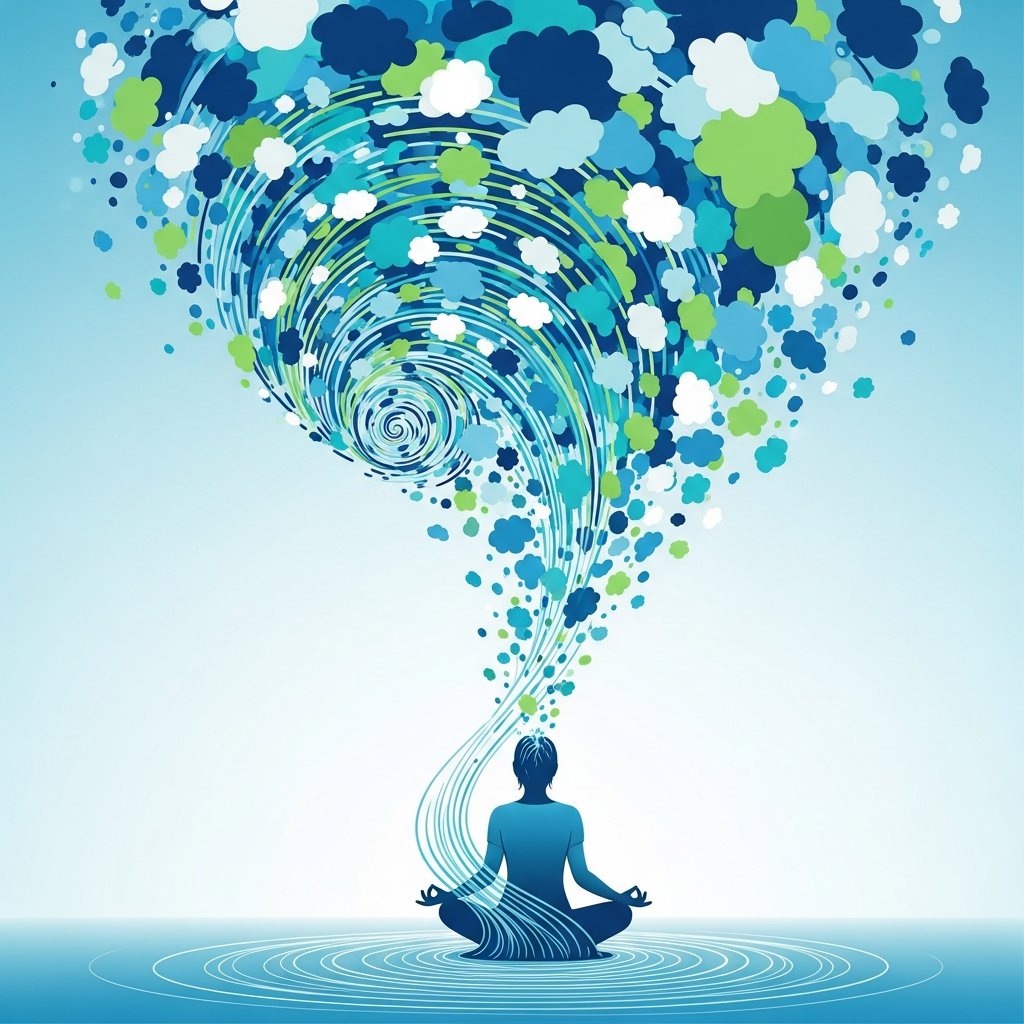
Emotional regulation is a critical component of mental wellness, affecting how we respond to challenges and maintain our well-being. Mastering emotional regulation strategies not only reduces stress but also enhances our resilience and ability to navigate life's ups and downs. In this article, we'll explore effective strategies to manage emotions more successfully.
Understanding Emotional Regulation
Emotional regulation refers to the ability to manage and respond to emotional experiences in a balanced manner. It involves being aware of your emotions, understanding them, and strategically influencing their expression. Emotional regulation is a crucial skill that can improve your relationships, enhance decision-making, and promote overall psychological health. To deepen your understanding, consider enrolling in our Holistic Therapy Course to learn more.
Common Emotional Regulation Strategies
While there are numerous techniques, some strategies have proven particularly effective:
- Mindfulness: Practicing mindfulness involves focusing on the present moment without judgment. Regular mindfulness exercises can help you better identify your emotions and reduce reactivity.
- Cognitive Reframing: This strategy involves changing the way you think about a situation to alter its emotional impact. By reframing your thoughts, you can transform negative emotions into more positive ones.
- Bodily Awareness: Being attuned to how your body expresses emotions can be insightful. Techniques such as deep breathing and progressive muscle relaxation can help manage physical responses to stress.
Practical Tips for Daily Emotional Regulation
Integrating emotional regulation strategies into your daily routine can yield significant benefits:
- Set a Daily Routine: Establishing a consistent daily routine can provide stability and predictability, reducing anxiety and facilitating emotional balance.
- Journaling: Keeping a journal of your emotions and reactions can increase self-awareness and facilitate emotional processing.
- Regular Breaks: Taking regular breaks throughout your day helps restore your emotional reserves and prevents burnout. Learn more about implementing wellness breaks in your life through our platform's resources.
Advancing Your Emotional Regulation Skills
Learning and practicing emotional regulation is an ongoing journey. Whether you're just starting or looking to enhance your skills, continuous education plays a crucial role. For those interested in structured learning, our platform offers a range of online courses that provide in-depth insights into emotional health. Explore our subscription plans for more access to premium content and materials.
By investing time in these practices, you can cultivate a more resilient mental state and improve your overall quality of life. Mastering emotional regulation is not just about managing negative feelings but shaping a positive and fulfilling life journey.
Conclusion
Harnessing emotional regulation strategies is key to enhancing your mental health and well-being. By leveraging mindfulness, cognitive reframing, and bodily awareness, amongst other techniques, you can effectively manage your emotions and improve your life satisfaction. Consider taking one of our certification courses to gain a deeper understanding and equip yourself with practical tools for continual emotional growth.