Understanding Anxiety and Its Impact
Anxiety is a natural response to stress, but for many, it can become overwhelming and interfere with daily life. It manifests in various forms, including generalized anxiety disorder, panic disorder, and social anxiety. Understanding anxiety is the first step towards managing it effectively.
Benefits of Effective Anxiety Management
Successfully managing anxiety can lead to numerous benefits, such as:
- Improved emotional well-being
- Enhanced concentration and focus
- Better relationships with others
- Increased productivity in personal and professional life
- Overall improved quality of life
Practical Tips for Anxiety Management
1. Breathing Techniques
Deep breathing exercises can help calm your nervous system. Here’s how:
- Find a quiet space and sit comfortably.
- Inhale deeply through your nose for a count of four.
- Hold the breath for four counts.
- Exhale slowly through your mouth for a count of six.
- Repeat this cycle several times.
2. Mindfulness and Meditation
Practicing mindfulness can ground you in the present moment and reduce anxiety. Consider these steps:
- Set aside 10-15 minutes daily for meditation.
- Focus on your breath, letting thoughts pass without judgment.
- Use guided meditation apps if you’re unsure where to start.
3. Physical Activity
Exercise releases endorphins, which can help reduce anxiety. Aim for at least 30 minutes of moderate exercise most days. Activities can include:
- Walking or jogging
- Yoga or Pilates
- Swimming or cycling
4. Herbal Remedies
Several herbs are known for their calming effects. Consult with a healthcare provider before starting any supplement. Some popular options include:
- Chamomile
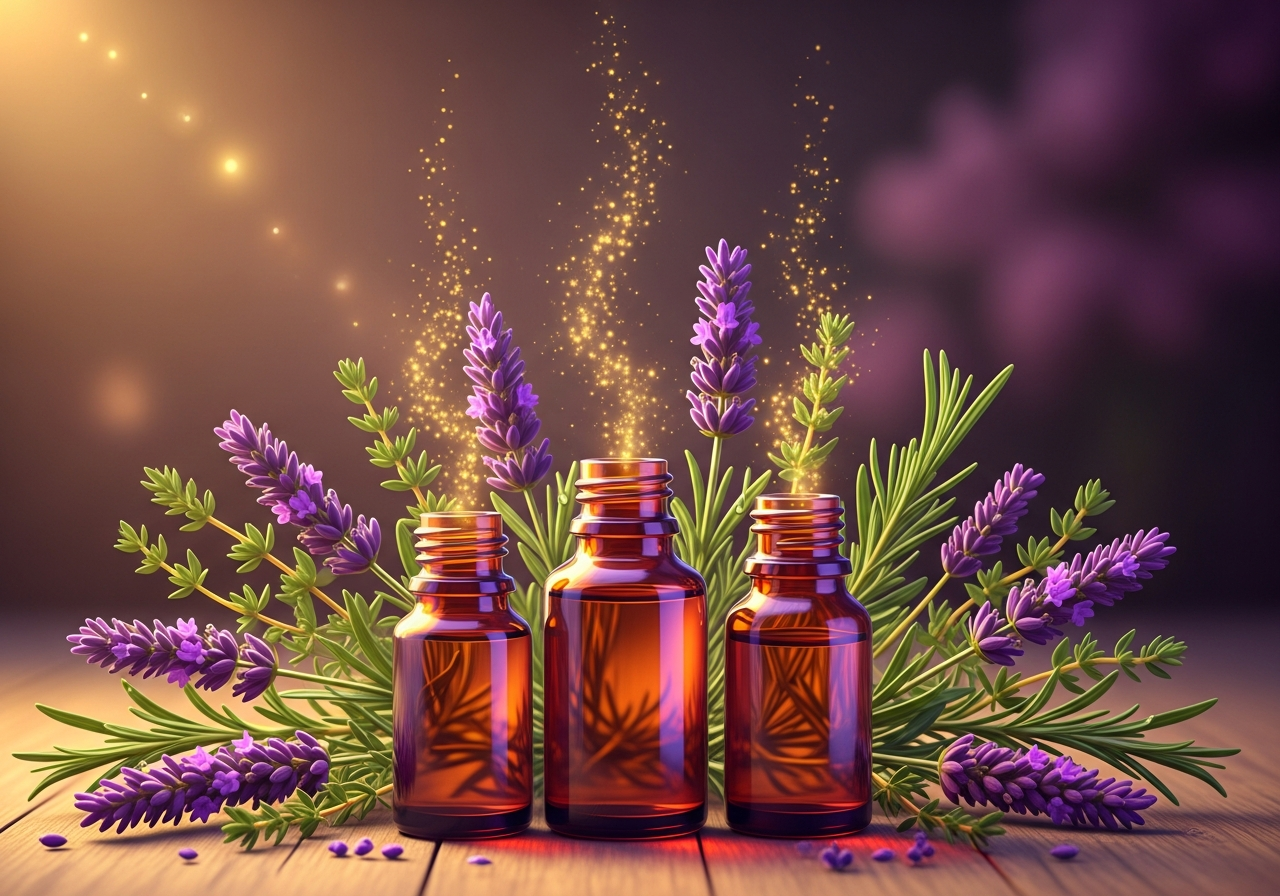
- Lavender
- Passionflower
5. Limit Caffeine and Alcohol Intake
Caffeine and alcohol can exacerbate anxiety symptoms. Try minimizing your intake and observe how your body responds. Opt for herbal teas or water instead.
6. Establish a Support System
Talking about your feelings can be incredibly therapeutic. Reach out to friends, family, or support groups. Consider professional help if your anxiety feels unmanageable.
Integrating Alternative Therapies
Complementing traditional approaches with alternative therapies can enhance anxiety management:
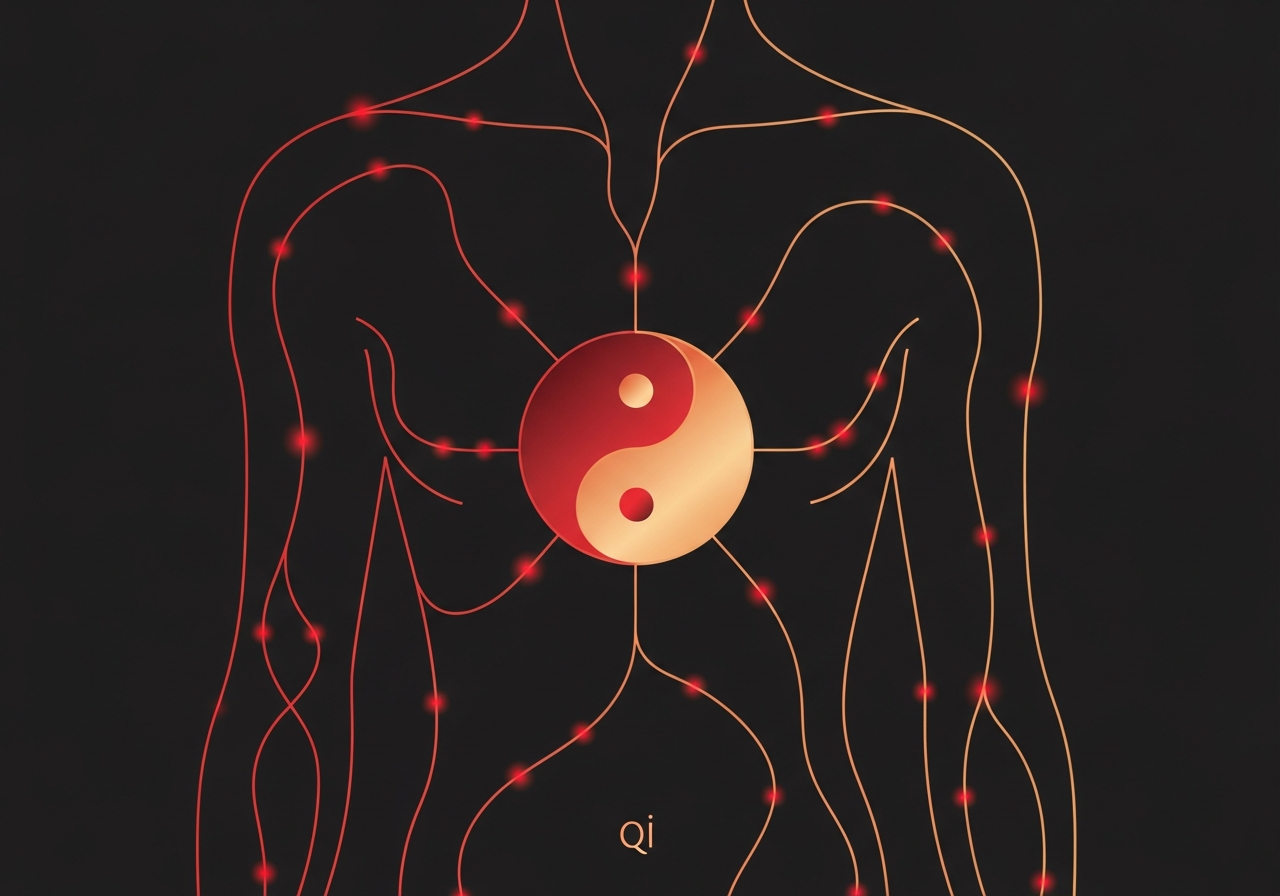
- Acupuncture: This ancient practice can help reduce anxiety and improve overall well-being.
- Aromatherapy: Using essential oils like lavender or bergamot can promote relaxation.
- Art Therapy: Engaging in creative activities can serve as a form of emotional expression.
Creating Your Personalized Anxiety Management Plan
Each person’s experience with anxiety is unique. Consider the following steps to create a personalized plan:
- Identify your specific anxiety triggers.
- Select techniques from the tips provided that resonate with you.
- Set realistic goals for practicing these techniques.
- Track your progress and adjust your plan as needed.
Final Thoughts
Anxiety management is an ongoing journey that requires patience and practice. By implementing these strategies and considering alternative therapies, you can cultivate a sense of calm and resilience in your life. Remember, seeking professional support is a sign of strength and can provide additional resources for your anxiety management journey.