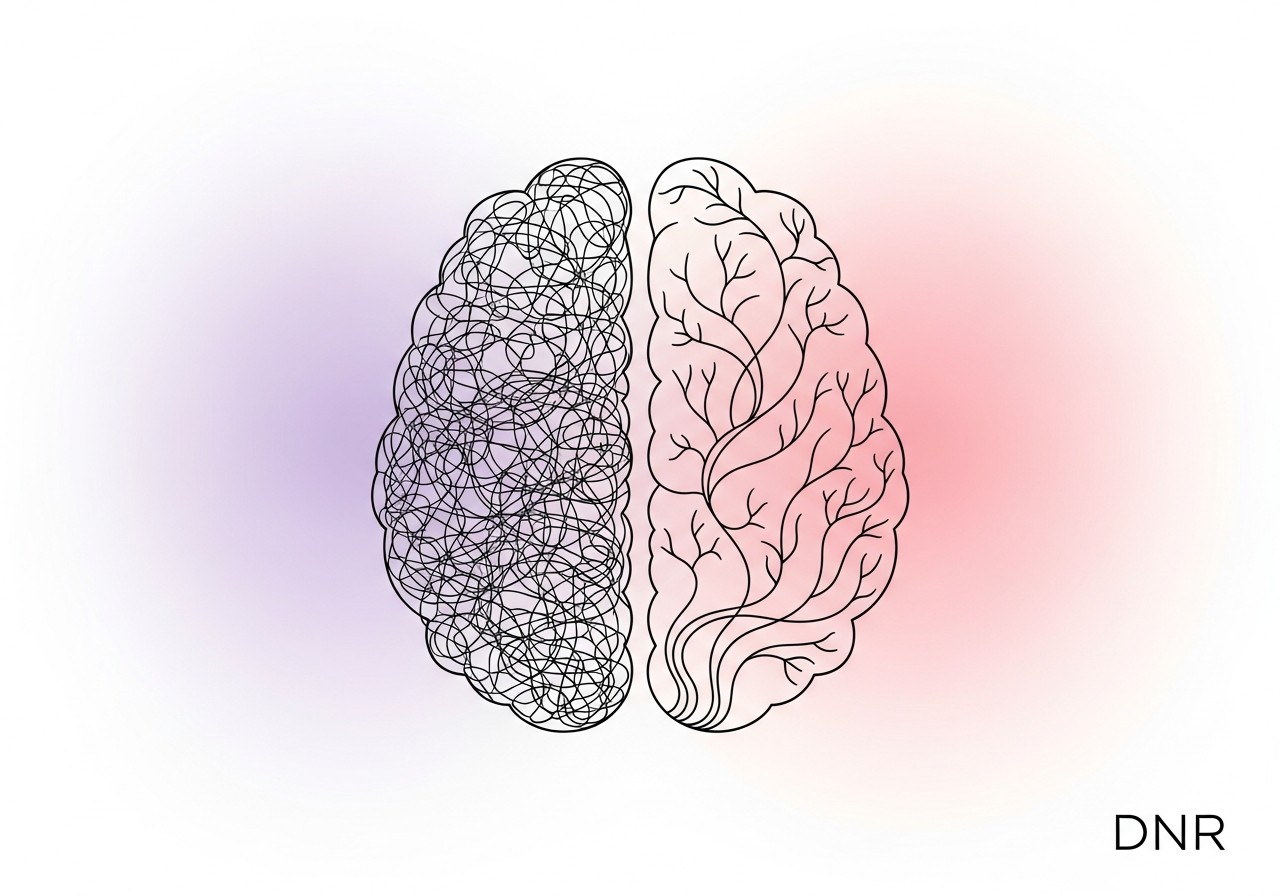
Understanding Habit Formation
Habit formation is a crucial aspect of personal development and wellness that involves creating routines that can lead to positive outcomes in our lives. According to research in psychology, habits are behaviors performed automatically in response to specific cues. As we strive for self-improvement, understanding how habits form, how to establish them, and how to maintain them can be pivotal to our success.
The Science Behind Habits
Habits typically follow a three-step loop: the cue, the routine, and the reward. This loop is often referred to as the "habit loop." When we encounter a cue in our environment, it triggers a specific routine (behavior), which in turn provides a reward, reinforcing the behavior. Here’s a quick breakdown:
- Cue: This is the trigger that initiates the habit.
- Routine: The behavior you engage in after the cue.
- Reward: The positive outcome that reinforces your action.
Benefits of Forming Positive Habits
Building positive habits can have transformative effects on your life, including:
- Increased Productivity: Developing habits that promote efficiency can lead to greater output in both personal and professional areas.
- Enhanced Well-being: Healthy habits, such as regular exercise and balanced nutrition, contribute significantly to overall wellness.
- Reduced Stress: Establishing consistent routines can bring a sense of order and predictability, reducing anxiety.
- Improved Resilience: Cultivating positive habits helps you bounce back from setbacks and stay focused on your goals.
Practical Tips for Successful Habit Formation
1. Start Small
When beginning the journey of forming new habits, start with manageable changes. For instance, if your goal is to exercise regularly, consider committing to just 10 minutes of physical activity a day rather than an hour at the gym.
2. Set Clear Goals
Define specific, measurable, attainable, relevant, and time-bound (SMART) goals. Instead of saying “I want to read more,” specify “I will read 10 pages of a book each night before bed.”
3. Create Consistency
Try to perform your new habit at the same time and in the same context each day. This not only makes it easier to remember but also strengthens the habit loop, reinforcing the relationship between your cue and routine.
4. Track Your Progress
Keeping a journal or using habit-tracking apps can help you monitor your progress. Observing your achievements can provide motivation and allow you to tweak your approach if needed.
5. Find an Accountability Partner
Sharing your goals with a friend or family member can create a support system that encourages you to stick with your new habit. Consider setting up regular check-ins to discuss progress and challenges.
6. Reward Yourself
Implement a reward system that follows your habit. This doesn’t have to be extravagant; simple rewards, such as a favorite snack or a relaxing activity, can reinforce positive behavior.
Overcoming Challenges in Habit Formation
It's normal to encounter obstacles while forming new habits. Here are some common challenges and how to address them:
- Lack of Motivation: Revisit your reasons for wanting to establish this habit and visualize the benefits it will bring. Reminding yourself of the end goal can reignite your motivation.
- Overcoming Setbacks: Accept that failure is part of the learning process. Instead of being discouraged by a setback, analyze it and adjust your approach as needed.
- Time Management Issues: Prioritize your new habit by scheduling time for it in your day. Treat it as a non-negotiable appointment for optimal commitment.
Conclusion
Habit formation is not merely about making changes; it's about creating lasting transformations that can improve your overall well-being. By understanding the mechanisms of habit formation and applying practical strategies, you can develop positive habits that lead to a healthier, more fulfilling life. Remember, the journey of habit formation takes time and persistence, but the rewards are worth the effort.