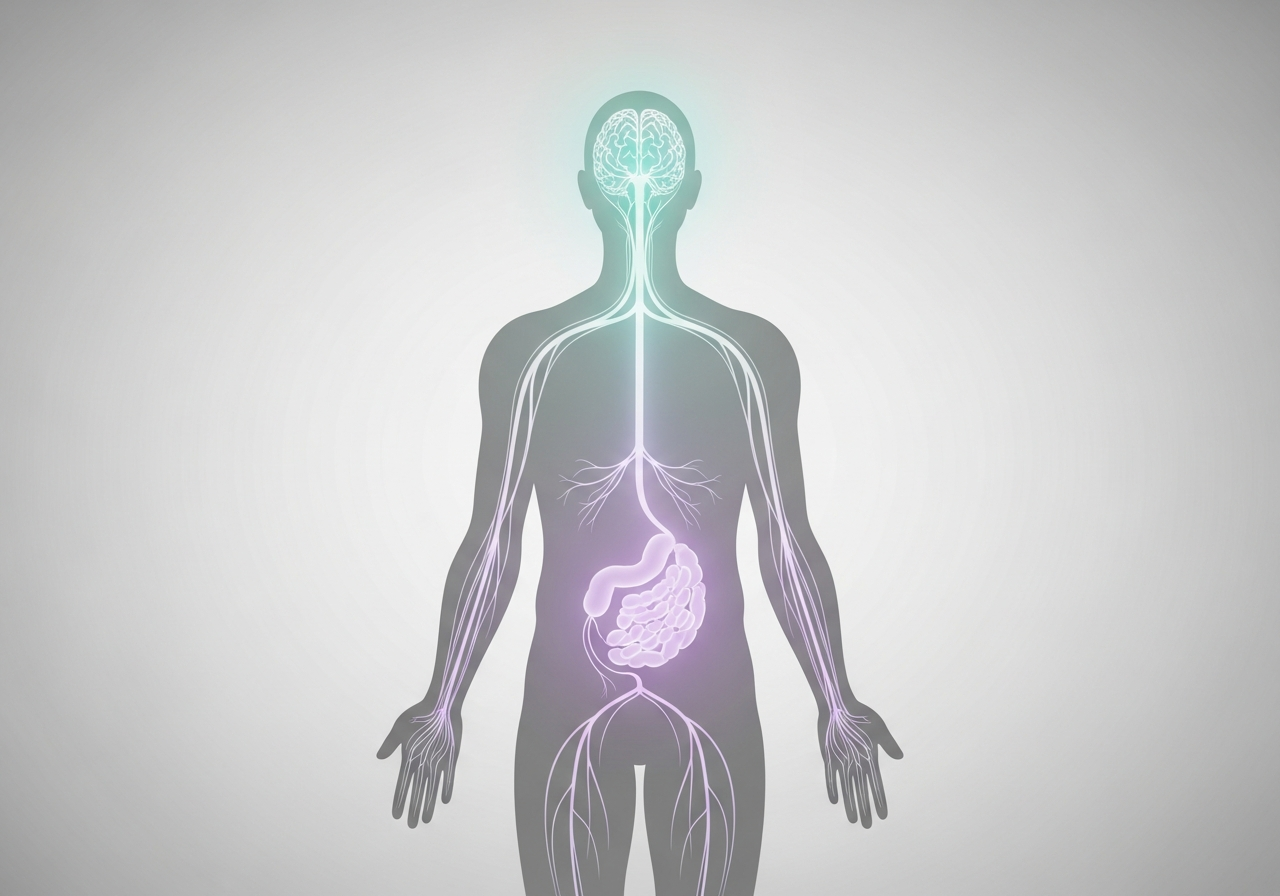
Understanding Resilience
Resilience is the ability to bounce back from adversity, stress, and challenges. It is a vital psychological skill that not only helps individuals navigate life's difficulties but also plays a crucial role in personal development and overall well-being. Building resilience enables you to manage stress more effectively, maintain a positive outlook, and foster emotional stability, which can lead to improved mental health.
The Importance of Resilience
Resilience is essential in today's fast-paced world. It can help you:
- Adapt to Change: Life is full of unexpected events. Resilience allows you to adjust your mindset and strategies in response to new situations.
- Overcome Obstacles: When facing challenges, resilient individuals are more likely to find solutions and keep moving forward.
- Enhance Well-Being: Building resilience contributes to emotional stability, reducing anxiety and depressive symptoms.
- Improve Relationships: Resilient individuals can communicate and connect effectively, fostering stronger personal and professional relationships.
Practical Tips for Building Resilience
Building resilience is a process that involves developing certain mindsets and skills. Here are several practical strategies to enhance your resilience:
1. Cultivate a Growth Mindset
Adopting a growth mindset means viewing challenges as opportunities for learning rather than insurmountable barriers. This perspective encourages you to embrace challenges, persist in the face of setbacks, and see effort as a pathway to mastery.
2. Strengthen Your Support Network
Surround yourself with supportive friends, family, and colleagues. Open communication and sharing your experiences can provide emotional support and foster resilience. Consider joining community groups or engaging in social activities to build relationships.
3. Practice Self-Care
Taking care of your physical, emotional, and mental health is crucial for building resilience. Prioritize:
- Healthy Eating: Nourish your body with a balanced diet rich in fruits, vegetables, and whole grains.
- Regular Exercise: Physical activity releases endorphins, which boost mood and reduce stress.
- Sufficient Sleep: Quality sleep is essential for cognitive function and emotional regulation.
4. Develop Problem-Solving Skills
Effective problem-solving is a key component of resilience. Practice breaking down problems into manageable steps, brainstorming potential solutions, and evaluating outcomes. This approach can empower you to tackle challenges confidently.
5. Embrace Mindfulness and Stress Management Techniques
Incorporating mindfulness practices, such as meditation and deep breathing, can help you stay grounded and reduce stress. These techniques encourage present-moment awareness and help you respond more thoughtfully to challenges.
6. Set Realistic Goals
Establishing achievable goals gives you a sense of direction and purpose. Break larger goals into smaller, manageable tasks, and celebrate your progress along the way. This practice enhances motivation and reinforces your resilience.
7. Reflect on Past Experiences
Take time to reflect on previous challenges you have overcome. Acknowledging your successes can boost your confidence and remind you of your capability to face future obstacles.
Benefits of Building Resilience
The benefits of resilience extend beyond individual challenges. By enhancing your resilience, you can:
- Boost Confidence: Overcoming challenges increases self-efficacy and confidence in your abilities.
- Improve Mental Health: Resilience is linked to lower levels of anxiety and depression.
- Enhance Adaptability: Resilient individuals are better equipped to handle change and uncertainty.
- Foster Personal Growth: The process of building resilience encourages self-discovery and growth.
Conclusion
Building resilience is an ongoing journey that requires intentional effort and practice. By incorporating these strategies into your daily life, you can enhance your ability to cope with challenges and emerge stronger. Remember, resilience is not about avoiding difficulties but about facing them with courage and determination. Embrace the journey, and cultivate the resilience that will empower you to thrive in an ever-changing world.