The Connection Between Nutrition and Mental Health
In recent years, research has illuminated the significant impact nutrition has on mental health. What we eat can influence our mood, cognitive function, and overall mental well-being. Nutrients from our diet play a crucial role in brain health, affecting neurotransmitter function, inflammation levels, and even gene expression. Understanding this relationship can empower us to make healthier food choices that support our mental wellness.
How Nutrition Affects Mental Health
The brain requires a balanced supply of nutrients to function optimally. Here are some key ways nutrition impacts mental health:
- Neurotransmitter Production: Nutrients such as omega-3 fatty acids, B vitamins, and amino acids are essential for the production of neurotransmitters like serotonin and dopamine, which regulate mood and emotions.
- Inflammation Reduction: Chronic inflammation has been linked to depression and anxiety. Foods rich in antioxidants, such as fruits and vegetables, can help reduce inflammation levels in the body.
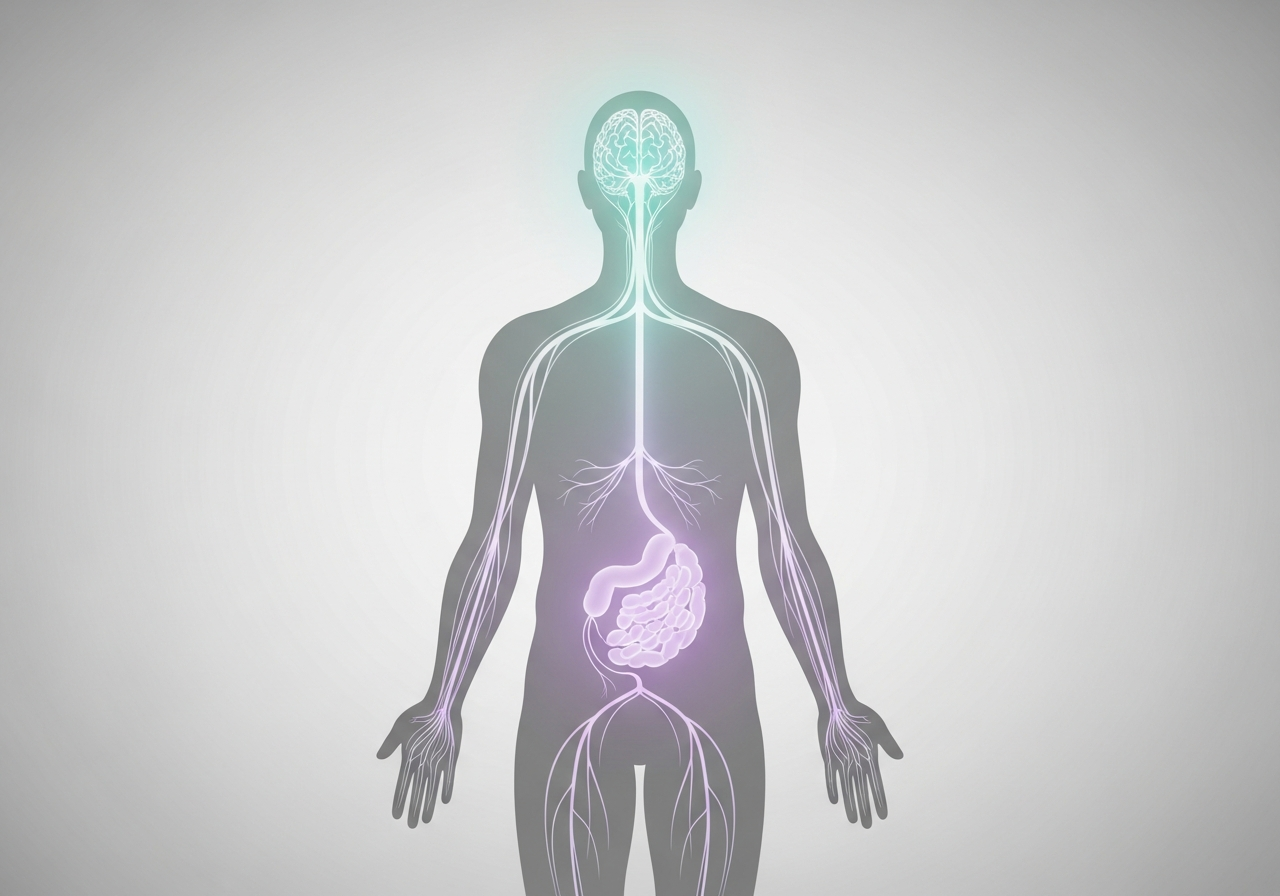
- Gut-Brain Connection: The gut microbiome, influenced by diet, can affect mental health. A healthy gut can promote the production of neurotransmitters and reduce symptoms of anxiety and depression.
Benefits of a Nutrition-Focused Approach
By prioritizing nutrition, individuals can experience a variety of mental health benefits:
- Improved Mood: A diet rich in whole foods can stabilize mood and reduce symptoms of anxiety and depression.
- Enhanced Cognitive Function: Nutrient-dense foods support memory, focus, and overall brain health.
- Increased Energy Levels: A balanced diet can help maintain energy levels, reducing fatigue and irritability.
- Greater Emotional Resilience: Proper nutrition can bolster the body’s ability to cope with stress, enhancing emotional stability.
Practical Tips for Optimizing Nutrition
Making impactful dietary changes can be easier than you think. Here are some practical tips to enhance your nutrition for better mental health:
1. Incorporate Omega-3 Fatty Acids
Found in fatty fish like salmon, walnuts, and flaxseeds, omega-3s are essential for brain health. Aim for at least two servings of fatty fish per week or consider a high-quality supplement if needed.
2. Eat a Rainbow of Fruits and Vegetables
Different colors represent different nutrients. Aim for a variety of fruits and vegetables to ensure you’re getting a broad spectrum of vitamins, minerals, and antioxidants.
3. Prioritize Whole Grains
Whole grains like oats, quinoa, and brown rice are rich in fiber and B vitamins, which are important for energy and brain function. Swap refined grains for whole options whenever possible.
4. Include Fermented Foods
Foods such as yogurt, kefir, sauerkraut, and kimchi support gut health and can positively influence mood. Incorporating these into your diet can improve the gut-brain connection.
5. Stay Hydrated
Dehydration can negatively impact mood and cognitive function. Ensure you’re drinking enough water throughout the day—aim for at least 8 cups or more if you're active.
6. Limit Processed Foods
High levels of sugar and unhealthy fats can lead to mood swings and irritability. Focus on whole, minimally processed foods to provide your body with the nutrients it needs.
Putting It All Together
Improving mental health through nutrition is a holistic approach that requires consistent effort and attention. By making mindful dietary choices, individuals can support their mental well-being and promote a healthier lifestyle. Remember that changes take time, so be patient with yourself as you embark on this journey toward better mental health through nutrition.