What is Polyvagal Theory?
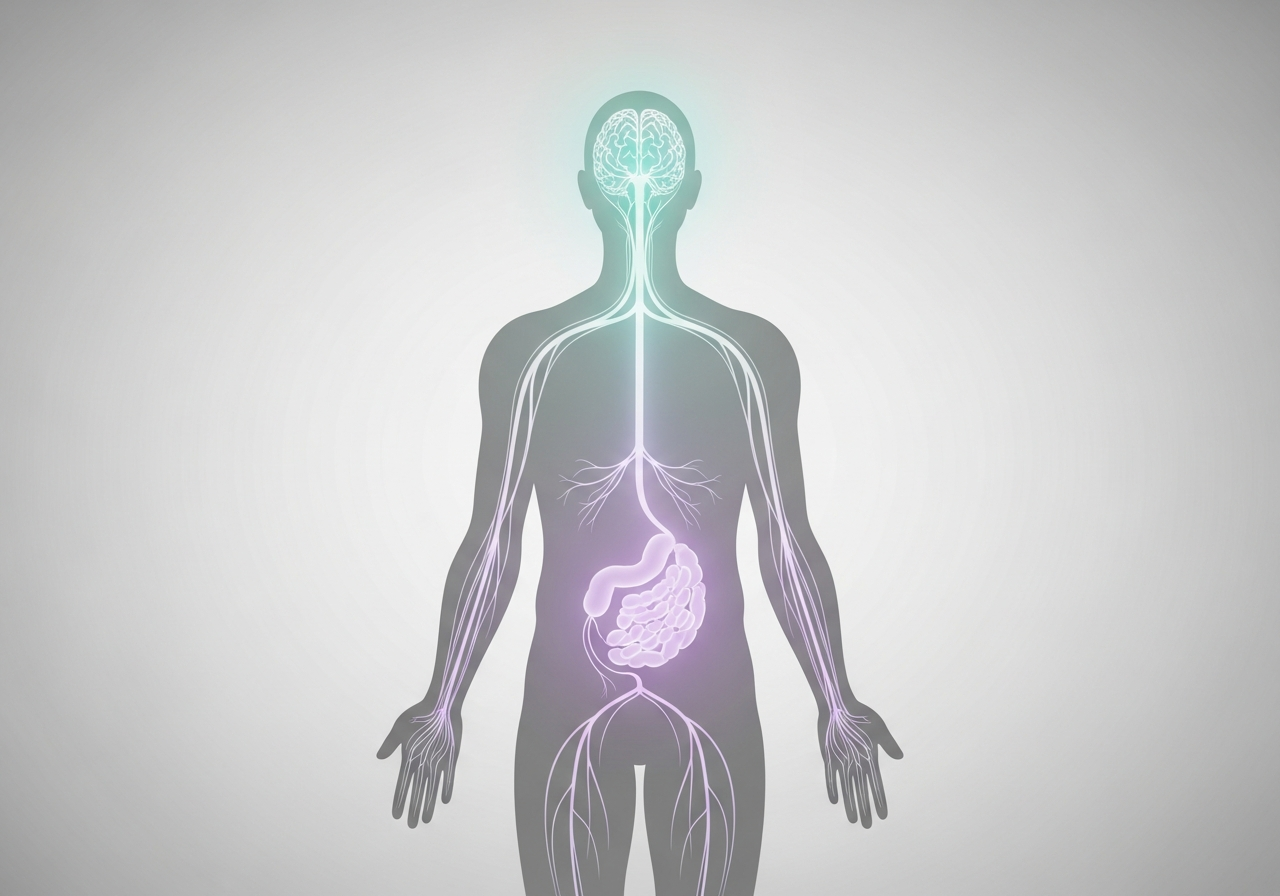
Developed by Dr. Stephen Porges, Polyvagal Theory explains how our autonomic nervous system responds to safety and danger. It revolutionizes our understanding of trauma, anxiety, and human connection.
The Three States
1. Ventral Vagal (Safe & Social)
When we feel safe, the ventral vagal system is active. We can connect with others, think clearly, and feel calm yet engaged.
- Relaxed facial muscles
- Open body language
- Clear thinking
- Social engagement
2. Sympathetic (Fight or Flight)
When danger is perceived, the sympathetic system mobilizes for action.
- Increased heart rate
- Rapid breathing
- Muscle tension
- Hypervigilance
3. Dorsal Vagal (Freeze/Shutdown)
When fight/flight isn't possible, the dorsal vagal system causes immobilization.
- Numbness or dissociation
- Exhaustion
- Depression
- Disconnection
Neuroception: Detecting Safety
Our nervous system constantly scans for safety cues through 'neuroception'—an unconscious process. This explains why we can feel anxious without knowing why.
Safety Cues Include:
- Calm, melodic voices
- Relaxed facial expressions
- Safe physical environments
- Rhythmic movement
- Social co-regulation
Regulation Techniques
Vagal Toning Exercises
- Deep breathing: Especially long exhales
- Cold water: Splash face or cold shower
- Humming/Singing: Stimulates vagal pathways
- Social connection: Safe relationships
- Movement: Yoga, dance, gentle exercise
Applications for Practitioners
Understanding polyvagal theory transforms therapeutic work. Practitioners can:
- Create safer therapeutic environments
- Recognize nervous system states in clients
- Guide clients in self-regulation
- Address trauma without re-traumatizing
Our Polyvagal Theory Practitioner Training provides in-depth education in applying these principles therapeutically.