Understanding Emotional Healing
Emotional healing is a vital process for mental wellness, focusing on overcoming past trauma, emotional pain, and psychological distress. It encompasses recovery from negative experiences that impact our emotional and psychological health, leading us to a more balanced and fulfilling life.
Why is Emotional Healing Important?
Emotional healing promotes overall well-being, enhances our ability to cope with stress, and helps build resilience. When we engage in this healing process, we can:
- Improve emotional regulation
- Enhance relationships with others
- Increase self-awareness
- Reduce symptoms of anxiety and depression
- Foster a greater sense of peace and fulfillment
Practical Tips for Emotional Healing
1. Acknowledge Your Feelings
The first step in emotional healing is recognizing and accepting your feelings. Ignoring or suppressing emotions can lead to unresolved pain. Instead, allow yourself to fully experience your emotions, whether they are sadness, anger, or fear.
2. Practice Mindfulness and Meditation
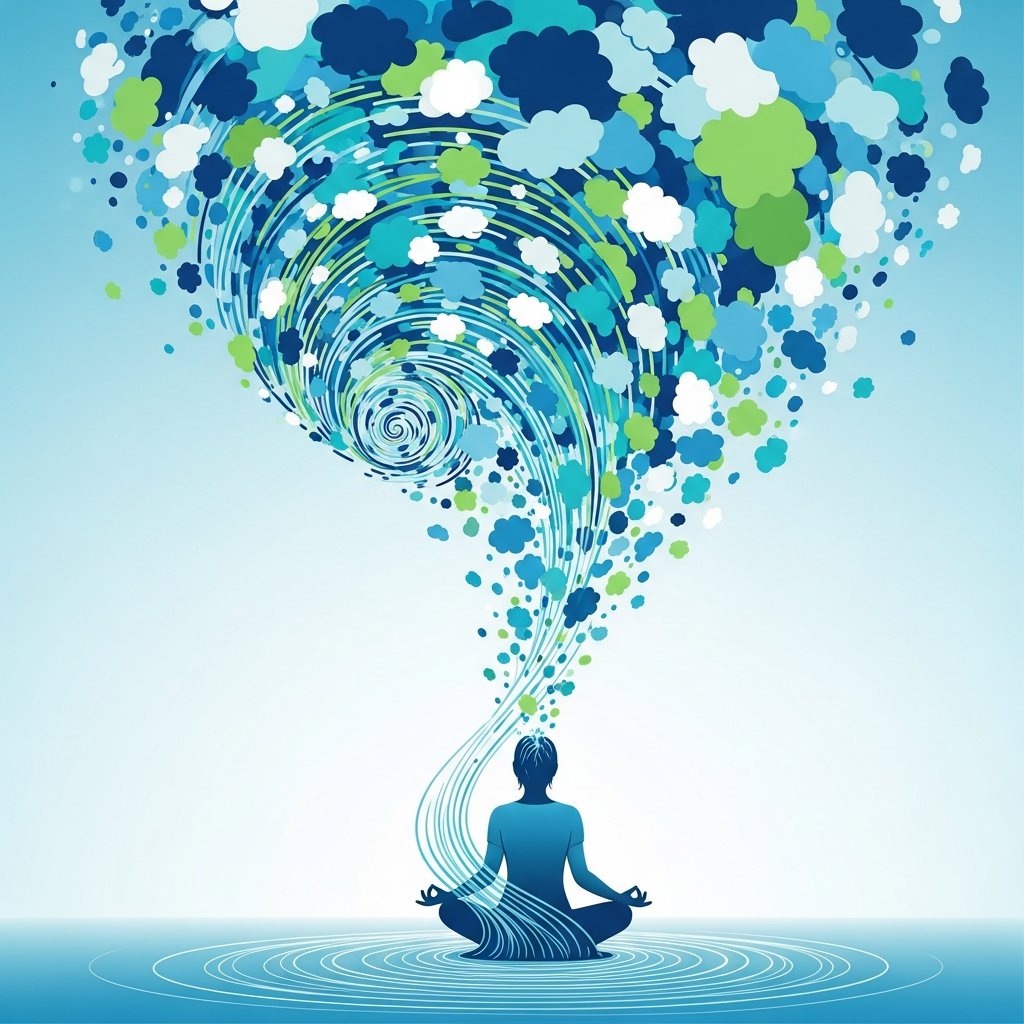
Mindfulness and meditation are powerful tools in emotional healing. Practicing mindfulness helps you stay present, alleviating anxiety about the past or future. Consider dedicating a few minutes each day to meditation, focusing on your breath, or engaging in guided imagery.
3. Journaling for Reflection
Writing down your thoughts and feelings can provide immense clarity. Journaling allows you to explore your emotions, reflect on your experiences, and track your healing journey. Set aside time weekly to document your feelings, experiences, and insights.
4. Seek Professional Support
Therapists and counselors can offer valuable guidance in your healing process. They provide a safe space to explore negative emotions, teach coping strategies, and facilitate emotional growth. Don't hesitate to reach out for professional help if you feel overwhelmed.
5. Build a Support System
Surround yourself with supportive friends and family who understand your journey. Connecting with others who have similar experiences can also be tremendously healing. Consider joining support groups or online communities focused on emotional wellness.
6. Engage in Creative Outlets
Creativity can be a constructive way to process emotions. Activities like painting, writing, playing music, or dancing can help bridge the gap between emotional expression and healing. Find what resonates with you and make it a regular part of your routine.
7. Establish Healthy Boundaries
Setting boundaries is crucial for emotional healing. It allows you to honor your needs and reduce stress from external pressures. Determine what is essential for your emotional well-being and create limits with situations and individuals that negatively impact your health.
Benefits of Emotional Healing
Embarking on the journey of emotional healing brings numerous benefits:
- Improved Mental Health: Reduces symptoms of anxiety, depression, and stress.
- Stronger Relationships: Healthier communication and connection with others.
- Increased Resilience: Greater capacity to handle life's challenges.
- Enhanced Self-Understanding: Increased self-awareness and acceptance.
- Better Coping Mechanisms: Development of healthier ways to deal with stress and adversity.
Conclusion
Emotional healing is a vital aspect of overall wellness. While the journey may take time and require effort, the benefits far outweigh the challenges. By implementing these practical tips and seeking support, you can navigate your emotional healing journey and emerge with a deeper understanding of yourself and a more fulfilling life.