Understanding Emotional Healing
Emotional healing refers to the process of recovering from emotional pain, trauma, or distress. It involves recognizing feelings, understanding their impact, and working through them to achieve a state of emotional well-being. This journey is crucial for achieving a balanced life and enhancing mental health.
Benefits of Emotional Healing
Emotional healing offers numerous benefits that extend beyond immediate relief from emotional pain. Here are some key benefits:
- Improved Mental Health: Healing emotionally can lead to reduced anxiety, depression, and stress levels.
- Enhanced Relationships: As you heal, you may find it easier to connect with others, leading to healthier relationships.
- Increased Resilience: Emotional healing builds your ability to cope with future challenges and adversities.
- Greater Self-Awareness: Understanding your emotions helps you gain insight into your triggers and behaviors.
- Improved Physical Health: Emotional well-being is closely linked to physical health, and emotional healing can lead to better overall wellness.
Practical Tips for Emotional Healing
Embarking on the journey of emotional healing can be daunting, but several practical strategies can help you navigate the process:
1. Acknowledge Your Emotions
The first step in emotional healing is to acknowledge what you are feeling. Whether it’s sadness, anger, or anxiety, recognize these emotions without judgment. Journaling can be a powerful tool for this purpose, allowing you to explore your thoughts in a safe space.
2. Seek Professional Support
Therapists and counselors can offer invaluable support during your healing process. They provide guidance, coping strategies, and a safe environment to explore your feelings. Don't hesitate to reach out for professional help.
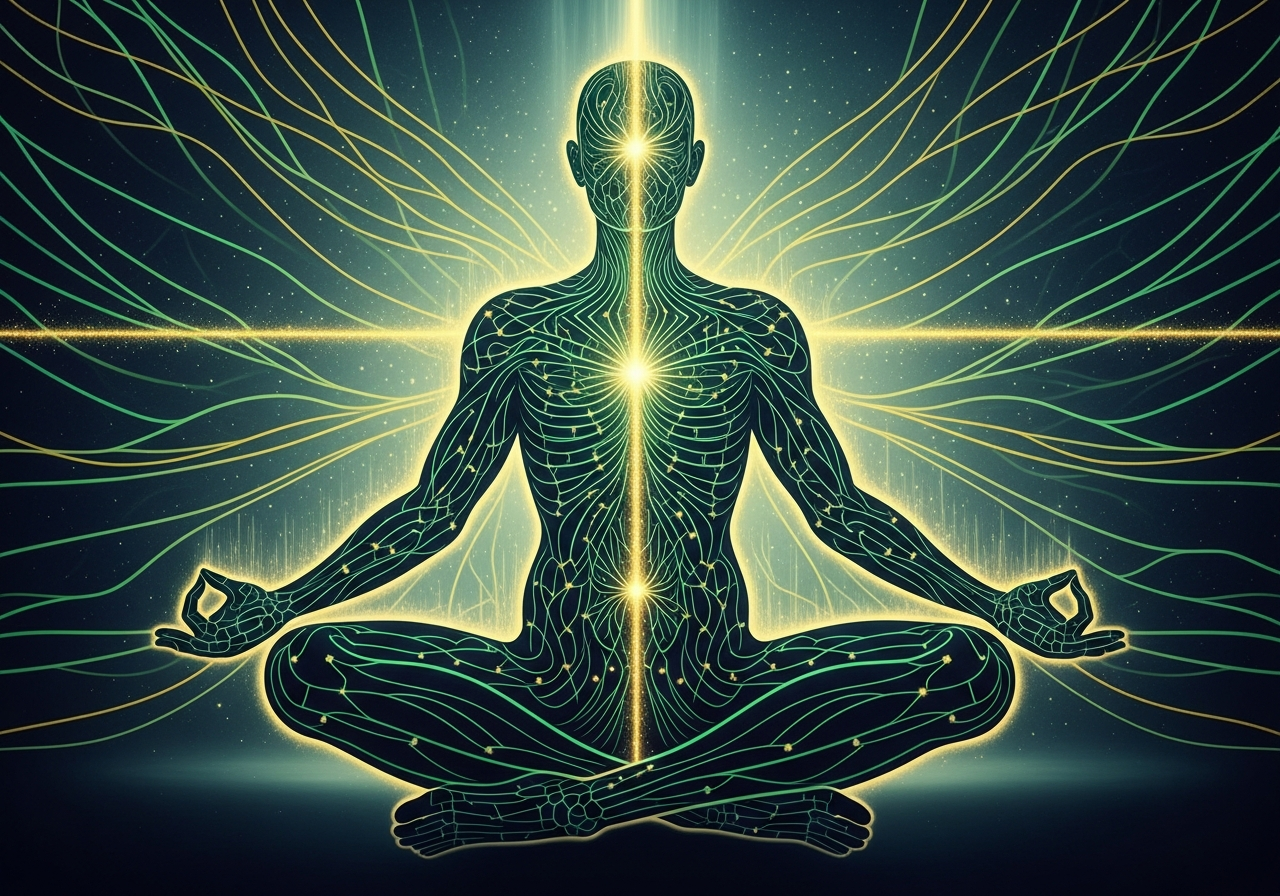
3. Practice Mindfulness and Meditation
Mindfulness and meditation techniques can help ground you in the present moment, reducing anxiety and promoting emotional clarity. Consider dedicating a few minutes each day to practice deep breathing or guided meditation.
4. Engage in Physical Activity
Exercise is a natural mood booster. Physical activity releases endorphins, the body’s feel-good hormones, which can reduce stress and enhance your overall emotional state. Find an activity that you enjoy, whether it's jogging, yoga, or dancing.
5. Build a Support System
Surround yourself with supportive friends and family members who understand and validate your feelings. Sharing your experiences with trusted individuals can facilitate healing and reduce feelings of isolation.
6. Establish Healthy Routines
Creating a daily routine that includes self-care activities can provide structure and stability during your healing journey. Incorporate activities that bring you joy, such as reading, cooking, or spending time in nature.
How to Foster Emotional Healing in Your Life
To cultivate a lasting emotional healing process, consider implementing the following practices into your life:
1. Set Boundaries
Learning to say no and establishing healthy boundaries is essential for emotional well-being. Protect your energy by prioritizing your mental health and limiting exposure to negative influences.
2. Embrace Forgiveness
Holding onto grudges can hinder your healing. Embracing forgiveness, whether towards yourself or others, can release the weight of anger and resentment, allowing for emotional freedom.
3. Cultivate Gratitude
Practicing gratitude helps shift your focus from negative experiences to positive aspects of life. Keeping a gratitude journal can remind you of the good things, fostering a more positive emotional state.
4. Create Art
Artistic expression can be a therapeutic outlet for emotions. Whether through painting, writing, or music, creativity can facilitate emotional release and help you process your feelings.
Conclusion
Emotional healing is a vital component of overall wellness. By acknowledging your emotions, seeking support, and implementing practical strategies, you can foster a journey towards emotional resilience and well-being. Remember, healing takes time, and it’s okay to take small steps towards a healthier emotional life.