Understanding Emotional Intelligence
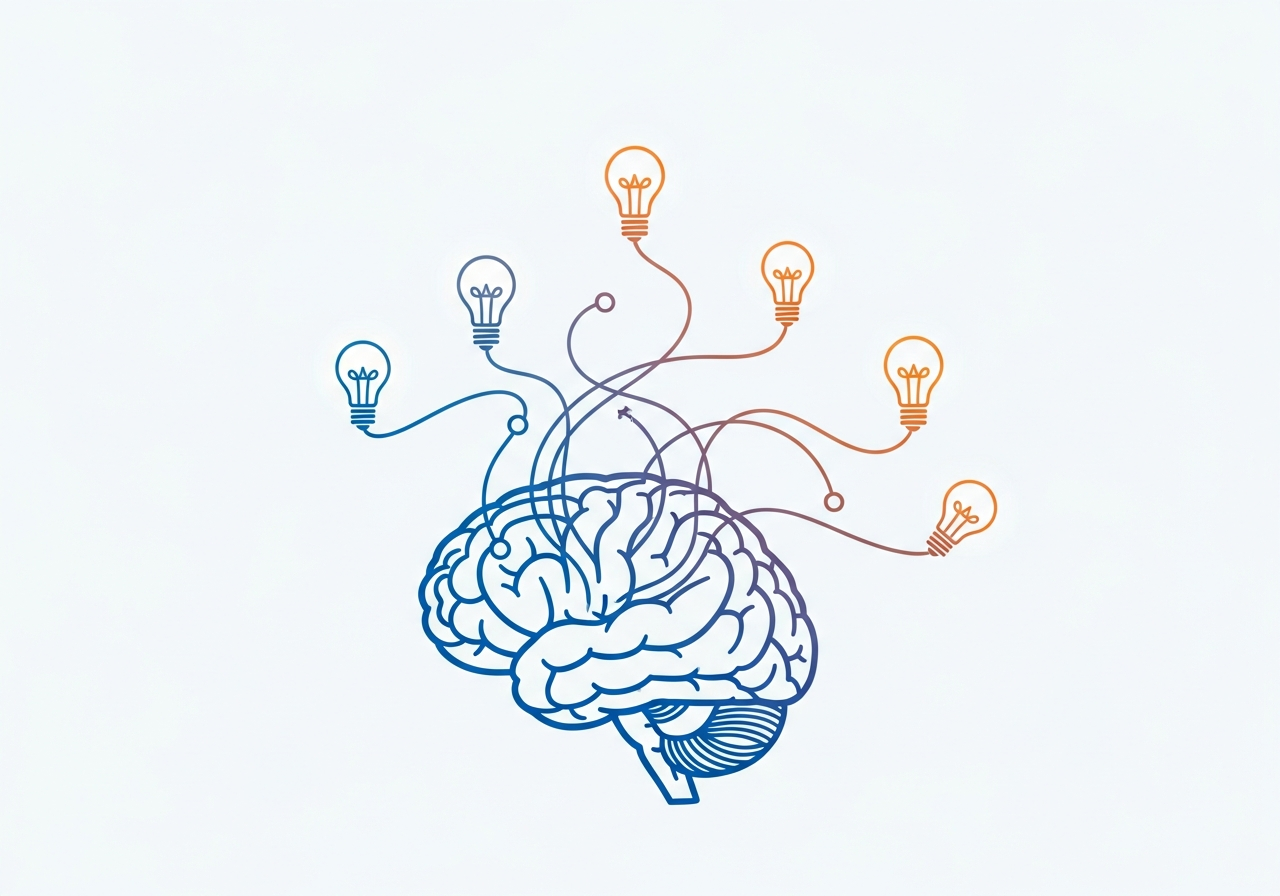
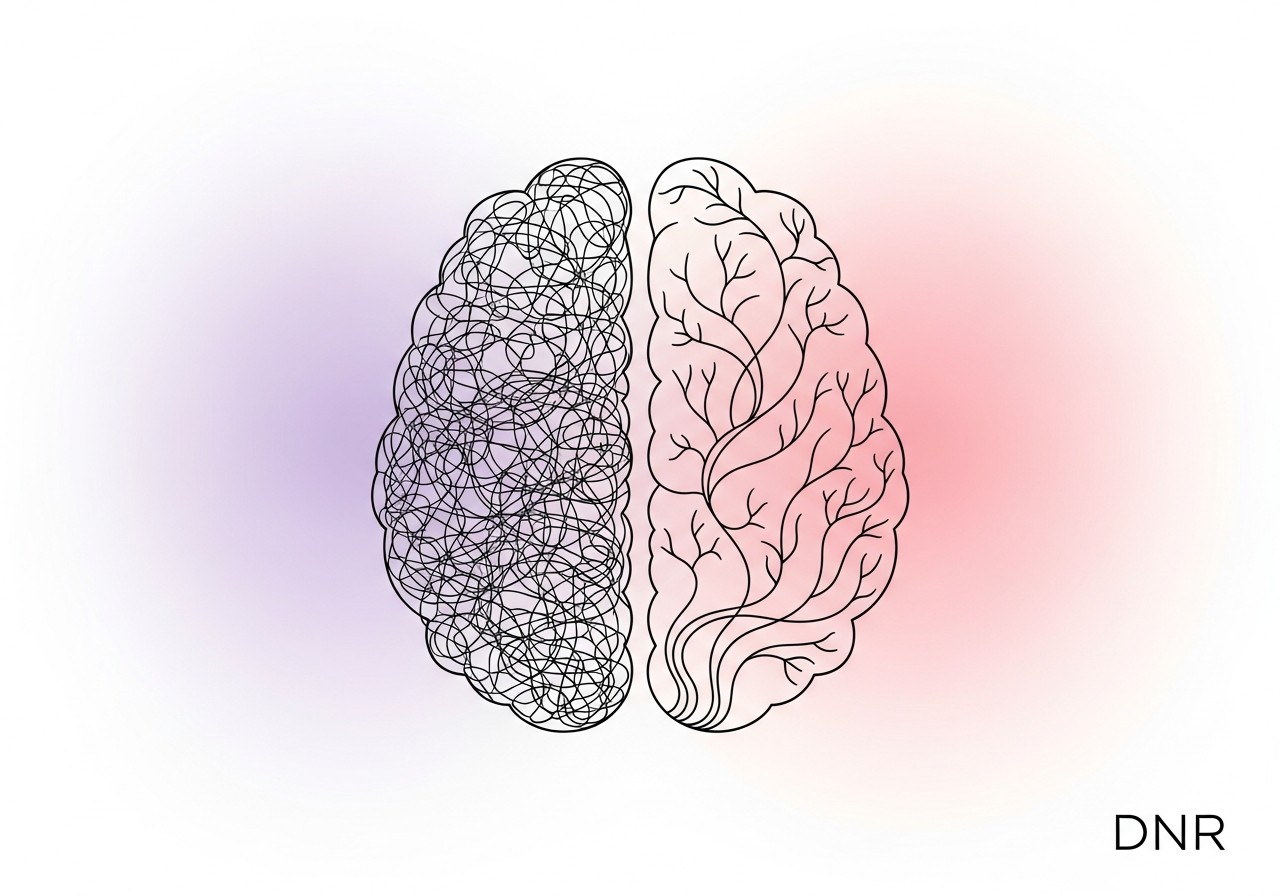
Emotional intelligence (EI) refers to the ability to recognize, understand, and manage our own emotions, as well as the emotions of others. It plays a crucial role in our personal and professional lives, influencing our relationships, decision-making, and overall well-being.
The Importance of Emotional Intelligence
Developing emotional intelligence is essential for several reasons:
- Improved Relationships: Understanding emotions fosters better communication and empathy, which enhances interpersonal relationships.
- Enhanced Decision-Making: Emotional intelligence helps individuals make more informed decisions by considering emotional factors.
- Stress Management: Recognizing your emotional responses can lead to healthier coping mechanisms during stressful situations.
- Increased Resilience: High emotional intelligence promotes resilience, allowing individuals to adapt to change and overcome challenges effectively.
Practical Tips for Developing Emotional Intelligence
Improving your emotional intelligence is a journey that requires self-awareness and practice. Here are some practical tips to get started:
1. Increase Self-Awareness
Self-awareness is the foundation of emotional intelligence. Take time to reflect on your emotions and how they affect your thoughts and actions. Journaling can be a helpful tool for introspection. Consider these prompts:
- What emotions did I experience today, and what triggered them?
- How did I respond to these emotions?
- What can I learn from my emotional responses?
2. Cultivate Empathy
Empathy is the ability to understand and share the feelings of others. Practice active listening by focusing fully on the speaker without interrupting. Ask open-ended questions to encourage deeper conversations. This will not only strengthen your relationships but also enhance your emotional intelligence.
3. Practice Emotional Regulation
Emotional regulation is critical in managing your feelings and reactions. Here are some techniques to help you practice this skill:
- Breathing Exercises: When feeling overwhelmed, take deep breaths to calm your mind and body.
- Mindfulness Meditation: Practicing mindfulness can help you become more aware of your emotions as they arise.
- Cognitive Reframing: Challenge negative thoughts by reframing them into more positive or neutral perspectives.
4. Develop Social Skills
Strong social skills are a hallmark of emotional intelligence. Engage in group activities or join clubs where you can practice teamwork and collaboration. Pay attention to body language and non-verbal cues, as they often communicate emotions more than words.
5. Seek Feedback
Do not hesitate to ask for feedback from friends, family, or colleagues about how they perceive your emotional responses and interactions. Be open to constructive criticism and use it as a guide to improve your emotional intelligence.
Benefits of Emotional Intelligence Development
The benefits of developing emotional intelligence extend beyond personal growth. Here are some ways EI can positively impact your life:
- Better Leadership: Leaders with high emotional intelligence can inspire and motivate teams more effectively.
- Improved Conflict Resolution: Understanding emotional dynamics can lead to more productive discussions and resolution strategies.
- Enhanced Mental Health: A higher level of emotional intelligence is associated with lower levels of anxiety and depression.
- Career Advancement: Emotional intelligence can differentiate you in the workplace, leading to greater opportunities for promotion and success.
Conclusion
Emotional intelligence is not a fixed trait; it can be developed and strengthened through practice and dedication. By increasing your self-awareness, cultivating empathy, regulating your emotions, developing social skills, and seeking feedback, you can unlock the potential of emotional intelligence in your life. Start your journey today, and experience the transformative benefits it brings to your personal and professional relationships.