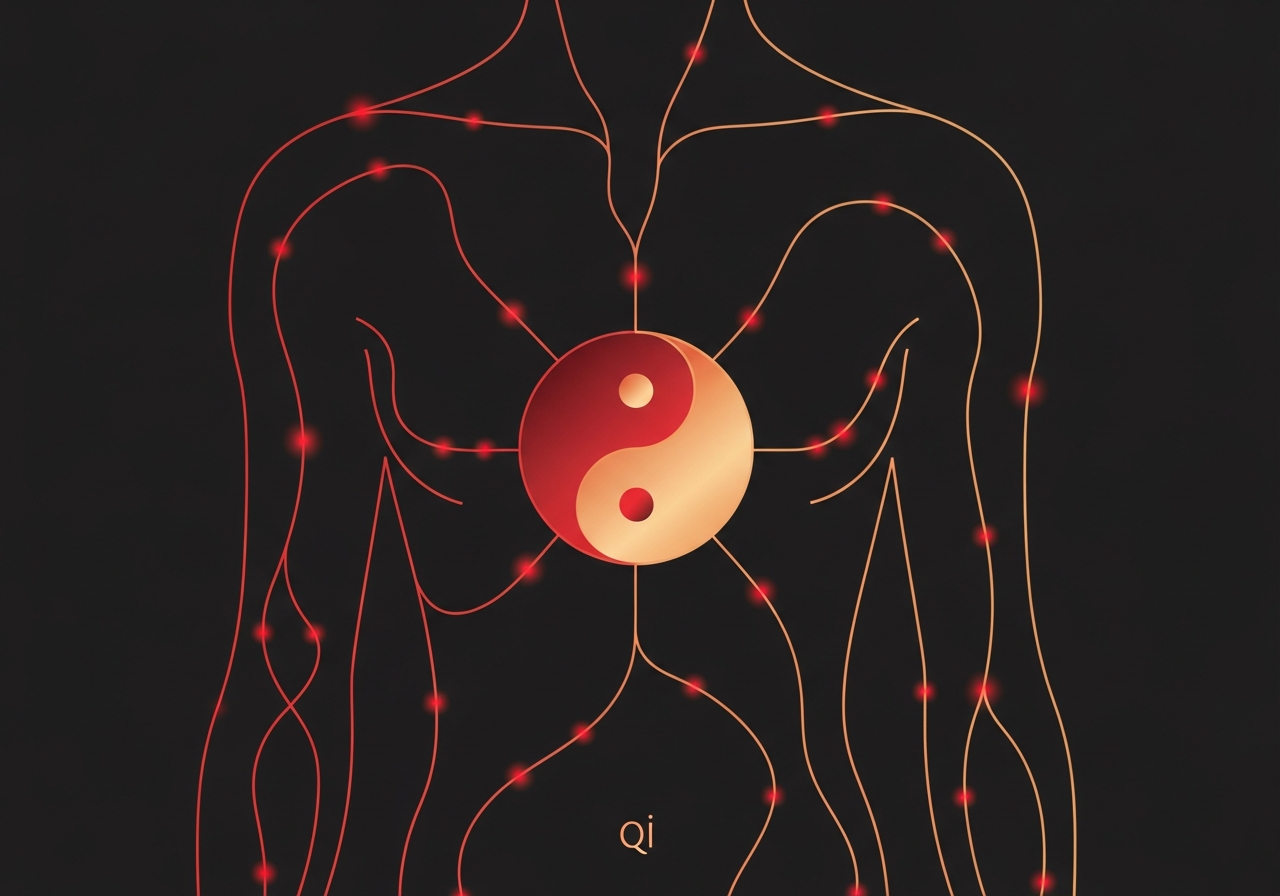
Understanding Mindfulness Meditation
Mindfulness meditation is a practice rooted in ancient traditions that focuses on cultivating awareness and presence in the moment. By learning to observe thoughts and feelings without judgment, practitioners can enhance their emotional well-being and reduce stress. In this article, we will explore various mindfulness meditation techniques suitable for beginners and experienced practitioners alike.
Benefits of Mindfulness Meditation
Engaging in mindfulness meditation can lead to numerous benefits, including:
- Reduced Stress: Regular practice helps lower cortisol levels, promoting relaxation.
- Enhanced Focus: Mindfulness trains the mind to concentrate better and resist distractions.
- Improved Emotional Health: It can lead to a decrease in symptoms of anxiety and depression.
- Better Sleep: Practicing mindfulness can improve sleep quality by calming the mind.
- Increased Self-Awareness: It fosters a deeper understanding of oneself and one’s habits.
Mindfulness Meditation Techniques
1. Breath Awareness
This is one of the simplest and most effective techniques. Sit comfortably and focus on your breath. Notice the sensation of the air entering and leaving your nostrils or the rise and fall of your chest.
How to Practice:
- Find a quiet space free from distractions.
- Sit or lie down in a comfortable position.
- Close your eyes gently and take a few deep breaths.
- Shift your attention to the natural rhythm of your breath.
- If your mind wanders, gently bring it back to the breath.
- Start with 5-10 minutes and gradually increase the duration.
2. Body Scan
The body scan is a technique that promotes relaxation by bringing attention to different parts of the body. This practice helps to release tension and fosters a connection between the mind and body.
How to Practice:
- Lie down comfortably on your back, arms at your sides.
- Close your eyes and take a few deep breaths.
- Begin by focusing on your toes, noticing any sensations or tension.
- Slowly move your attention upwards through the body, part by part, until you reach the crown of your head.
- Take your time, allowing yourself to fully experience each area.
3. Guided Meditation
Guided meditation involves listening to a recorded session or a live instructor who leads you through the meditation process. This technique can be particularly helpful for beginners.
How to Practice:
- Choose a guided meditation track that resonates with you. There are numerous apps and online resources available.
- Find a quiet, comfortable space where you won’t be disturbed.
- Get into a relaxing position, either sitting or lying down.
- Close your eyes and focus on the instructions given in the recording.
Practical Tips for Successful Mindfulness Meditation
- Start Small: If you're new to meditation, start with just a few minutes each day and gradually increase the duration.
- Create a Routine: Consistency is key. Try to meditate at the same time every day to build a habit.
- Be Kind to Yourself: It’s normal for the mind to wander. Gently acknowledge this and return to your practice.
- Explore Different Techniques: Experiment with various methods to find what works best for you.
- Join a Community: Consider joining a meditation group or class for support and motivation.
Conclusion
Mindfulness meditation is a valuable practice that can greatly enhance your overall well-being. By incorporating these techniques into your daily routine, you can cultivate a greater sense of peace, presence, and self-awareness. Whether you are seeking to relieve stress, improve focus, or develop a deeper connection with yourself, mindfulness meditation offers a pathway to a more balanced and fulfilling life.