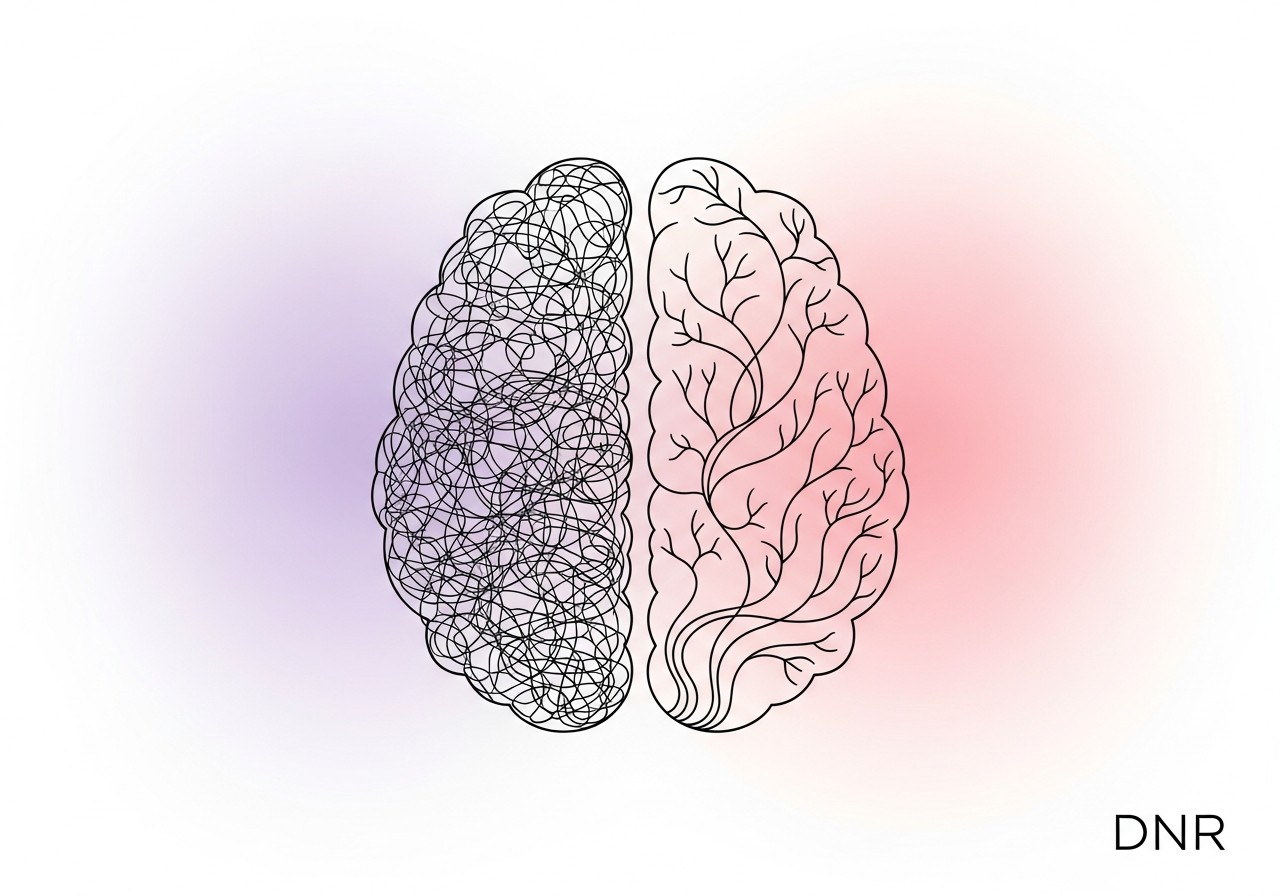
Understanding the Need for a Digital Detox
In today’s fast-paced, technology-driven world, digital devices have become integral to our daily lives. While technology offers numerous advantages, the constant connectivity can lead to mental fatigue, anxiety, and decreased productivity. A digital detox—a period of intentional disconnection from digital devices—can serve as a powerful remedy to restore balance and improve overall well-being.
Benefits of a Digital Detox
1. Improved Mental Health
Taking a break from screens allows your mind to rest and recharge. Studies have shown that excessive screen time, especially on social media, can contribute to feelings of anxiety and depression. By disconnecting, you give yourself the opportunity to engage in mindfulness practices, enhancing your mental clarity and emotional resilience.
2. Enhanced Relationships
Constant notifications and the lure of scrolling can detract from face-to-face interactions with loved ones. A digital detox encourages quality time with family and friends, fostering deeper connections by promoting undistracted conversations and shared experiences.
3. Increased Productivity
With fewer digital distractions, individuals often find they can focus more effectively. A break from the constant barrage of emails and notifications enables you to prioritize tasks, leading to greater efficiency and accomplishment in both personal and professional pursuits.
4. Better Sleep Quality
Blue light emitted from screens can disrupt your sleep cycle. By reducing screen time, especially before bed, you can improve your sleep quality, leading to enhanced energy levels and better health overall.
Practical Tips for a Successful Digital Detox
1. Set Clear Boundaries
Establish specific times for checking your devices. For instance, limit tech usage before meals and an hour before bed. Communicate these boundaries with others to ensure they respect your detox time.
2. Create a Tech-Free Zone
Dedicate certain areas of your home as tech-free zones, like the dining room or bedroom. This fosters a space for real-life interactions and relaxation without the interruption of devices.
3. Engage in Alternative Activities
Find activities that don't involve screens. Consider reading a book, going for a walk, practicing meditation, or trying out new hobbies such as painting or cooking. These activities can be fulfilling and help you reconnect with yourself.
4. Start Small
If the thought of a full digital detox feels overwhelming, start small. Begin with a few hours each weekend without screens, gradually increasing the duration as you become more comfortable.
5. Use Technology Mindfully
When you do use technology, be mindful about it. Instead of mindlessly scrolling, set specific purposes for your device usage, such as learning a new skill or connecting with friends.
How to Incorporate Digital Detox into Your Routine
Integrating a digital detox into your life doesn’t have to be daunting. Here’s how to get started:
- Schedule Regular Detox Days: Designate one day a week as a digital detox day where you unplug completely.
- Use Apps Wisely: Consider apps that can help you track and limit your screen time rather than increase it.
- Join a Community: Engage with others who are also pursuing a digital detox. Sharing experiences can motivate and provide accountability.
- Reflect on Your Experience: Keep a journal during your digital detox. Note your feelings, experiences, and any changes you observe in your mental state or productivity.
Conclusion
In an increasingly interconnected world, prioritizing your mental health through a digital detox is essential. By taking the time to disconnect from technology, you can experience significant improvements in your mental well-being, relationships, and overall quality of life. Start small, set boundaries, and embrace the numerous benefits that come from giving yourself the gift of a digital-free experience. Your mind—and your relationships—will thank you.