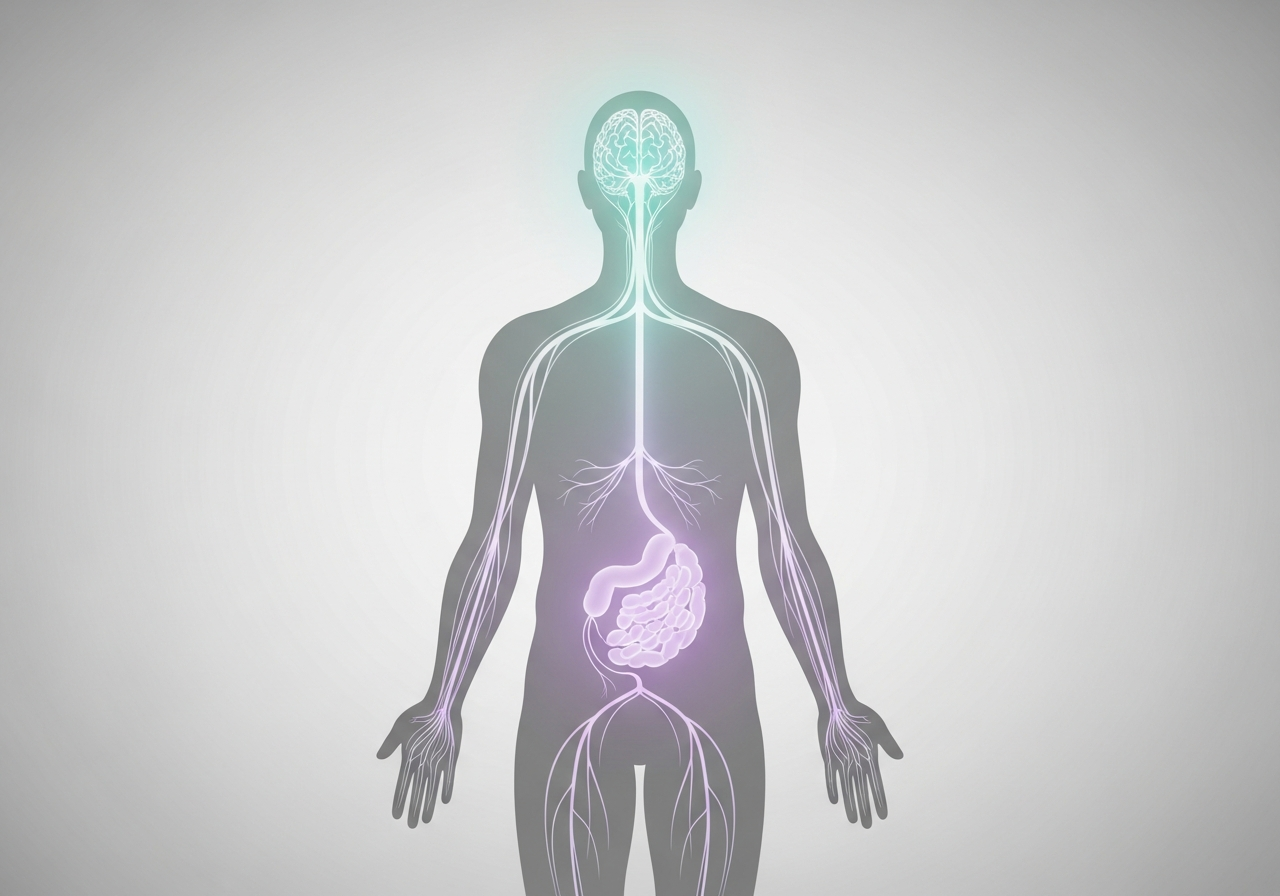
Understanding Digital Detox
In today’s fast-paced, technology-driven world, our lives are often dominated by screens. From smartphones to laptops, the constant barrage of notifications and digital content can lead to information overload and increased stress. A digital detox is a purposeful period during which an individual refrains from using digital devices, seeking to reconnect with the physical world and improve mental well-being.
Benefits of a Digital Detox
Engaging in a digital detox can have profound effects on your mental, emotional, and physical health. Here are several key benefits:
- Improved Mental Clarity: Reducing screen time can help clear mental fog, improving focus and productivity.
- Enhanced Relationships: Disconnecting from devices allows for deeper connections with family and friends through face-to-face interactions.
- Reduced Anxiety: Taking a break from social media can alleviate feelings of inadequacy and anxiety associated with constant comparison to others.
- Better Sleep Quality: Limiting screen time before bed can promote better sleep patterns, as blue light from screens disrupts natural sleep cycles.
- Increased Mindfulness: A digital detox encourages mindfulness by helping you reconnect with your surroundings and appreciate the present moment.
Practical Tips for a Successful Digital Detox
Ready to embark on a digital detox? Here are some practical tips to help you get started:
1. Set Clear Goals
Determine what you hope to achieve during your digital detox. Whether it’s reducing anxiety, improving sleep, or enhancing relationships, having clear goals will keep you motivated.
2. Choose Your Duration
Decide how long you want your detox to last. It could be a weekend, a week, or even longer. Start with a manageable timeframe to avoid feeling overwhelmed.
3. Create a Device-Free Zone
Designate specific areas in your home as device-free zones, such as the dining room or bedroom. This encourages healthier habits and fosters better connection with those around you.
4. Schedule Screen-Free Activities
Plan activities that don’t involve screens such as hiking, reading, cooking, or engaging in hobbies. Filling your time with fulfilling activities will help ease the transition.
5. Inform Others
Let friends and family know about your detox plans. This will help set expectations for communication during your device-free period.
6. Find Support
Join a support group or online community focused on digital detoxing. Sharing experiences and tips with others can provide motivation and encouragement.
Reaping the Rewards
After completing your digital detox, take some time to reflect on the experience. Consider journaling about your feelings and any changes you noticed in your mood, focus, and relationships. Many individuals report feeling more present, less stressed, and more connected to their surroundings after a break from digital devices.
Conclusion
A digital detox can be a transformative experience, offering numerous mental and emotional benefits. By taking intentional breaks from technology, you can enhance your overall well-being, improve your relationships, and regain a sense of balance in your life. So, why not start today? Take a step back from your devices, reconnect with yourself, and enjoy the world around you.